what are you looking for?

Cosmetic brands rarely sell the same product in exactly the same way in every market. A skincare product may require different bottle sizes, dispensing systems, colors, materials, or labeling depending on the target customers, formula, retail channel, and local packaging requirements.
So, how do cosmetic brands customize plastic bottles for different market requirements? The most practical approach is to keep the bottle structure functional while adjusting key elements such as material, capacity, shape, color, surface finish, dispensing system, decoration, and labeling. This allows brands to create market-specific packaging without necessarily developing a completely different bottle for every region.
For brands looking for a flexible starting point, Lisson provides a wide range of plastic cosmetic bottles that can be adapted for skincare, hair care, body care, sunscreen, and other personal care applications.
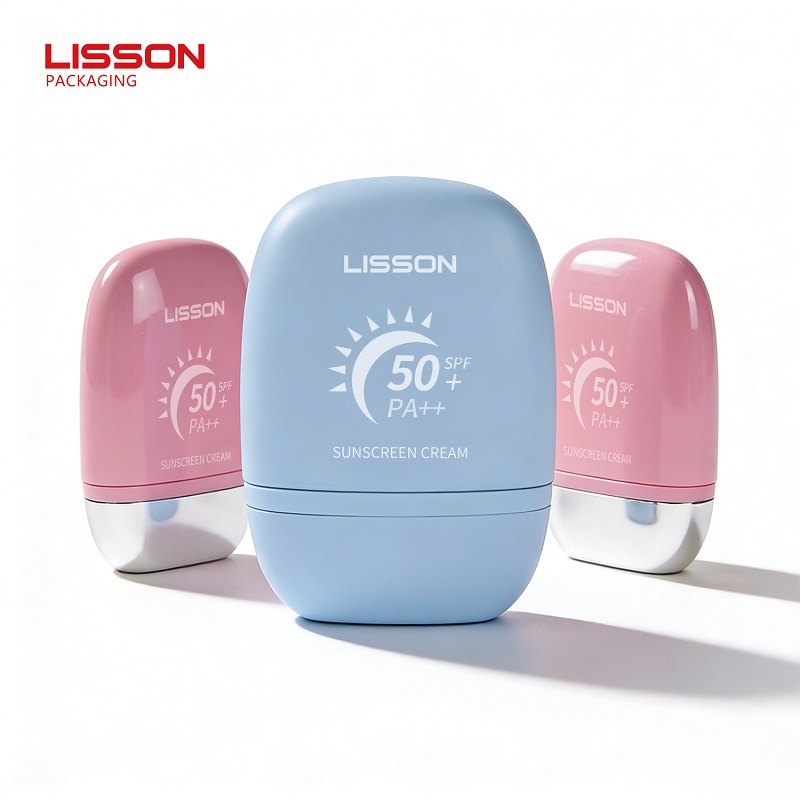
Before choosing a bottle design, cosmetic brands should look at the market from both the consumer side and the production side. A bottle that looks attractive on a shelf may still be unsuitable if its capacity, dispensing method, material, or labeling area does not match the product and sales channel.
The main factors usually include:
This is why custom cosmetic packaging should be treated as a complete packaging system rather than simply changing the appearance of a bottle.
Bottle capacity is one of the simplest ways to adapt packaging to different markets. The same cosmetic formula may be offered in travel-size, standard retail, professional, or family-size packaging depending on how customers use the product.
For example, a serum or eye-care product may be more suitable for a smaller 15ml, 30ml, or 50ml package, while shampoo, conditioner, body lotion, and other daily-use products may require 200ml, 300ml, 500ml, or larger packaging.
Capacity can also be connected to the sales channel. E-commerce brands may prefer compact and lightweight packaging to simplify shipping, while salon or professional-care brands may prioritize larger capacities that reduce the frequency of replacement.
Lisson's customization service supports multiple bottle capacities, including common 30ml, 50ml, 100ml, 150ml, and 200ml formats, with customized solutions available according to the project requirements.
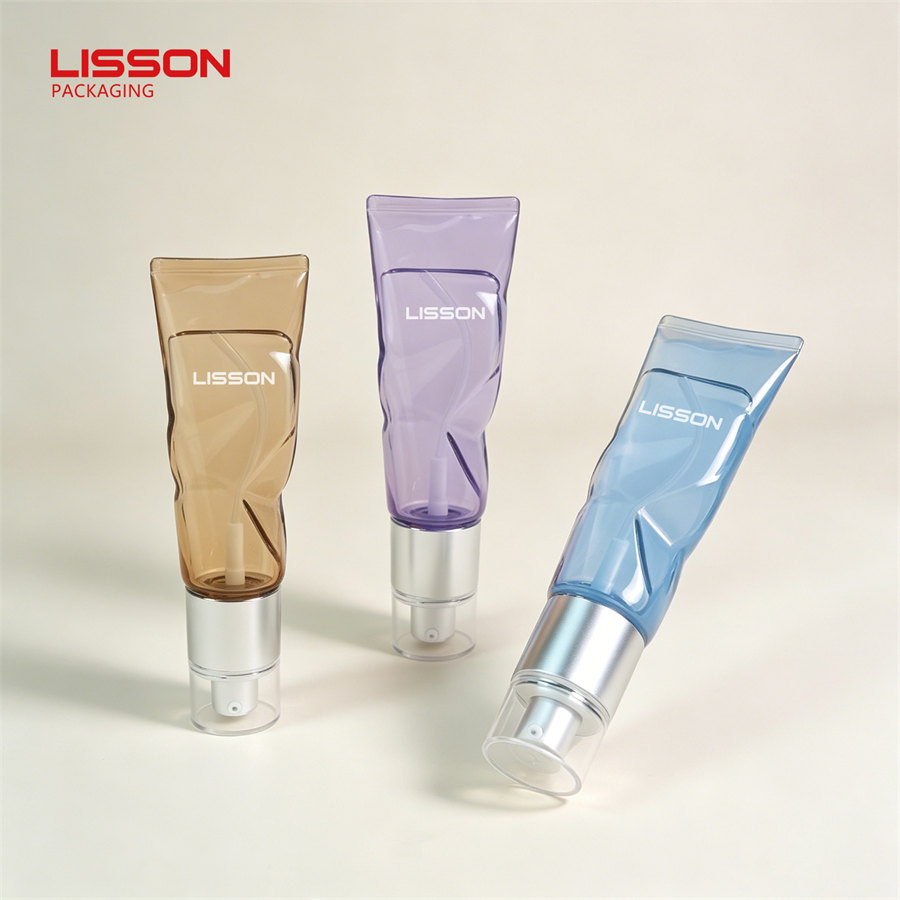
Different cosmetic products have different packaging requirements. A thin facial toner does not necessarily need the same bottle and dispensing system as a thick body lotion or concentrated serum.
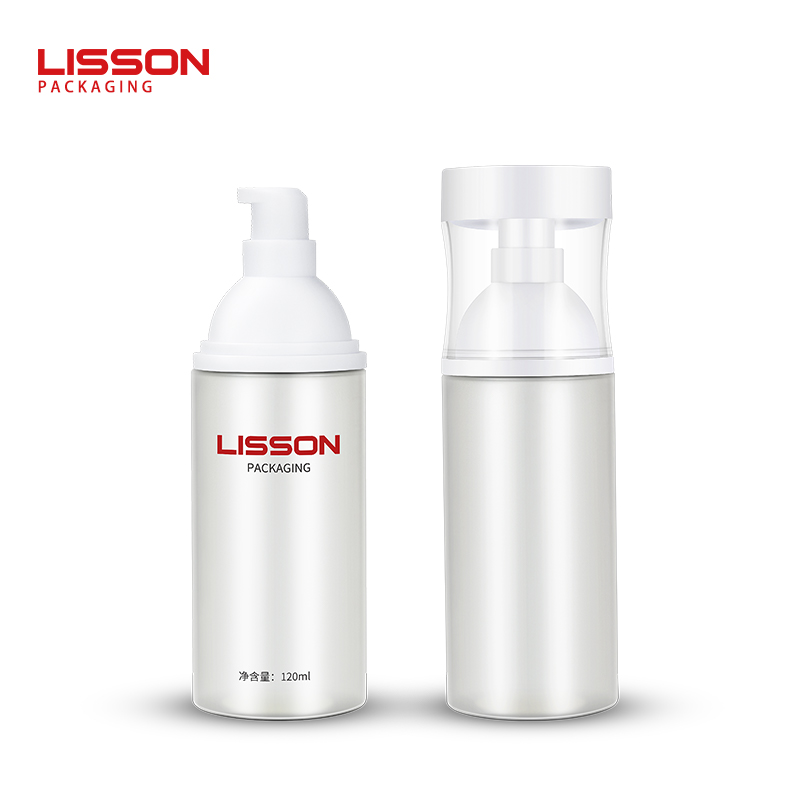
For example, liquid skincare products may work well with mist sprayers, pumps, or droppers. Lotions and creams often require lotion pumps or other controlled dispensing systems. Products designed to minimize exposure to air may benefit from an airless packaging format.
Brands should therefore consider the formula viscosity, required dosage, application method, and expected usage frequency before finalizing the bottle design.
For products that require controlled dispensing, Lisson's pump bottle collection includes lotion pumps, mist spray bottles, and other dispensing formats for cosmetic and personal care applications.
Yes. Material selection can be adjusted according to the product formula, appearance, durability, production process, sustainability goals, and target market.
Common plastic materials for cosmetic packaging include PE, PP, PET, and PETG. Each material can offer different combinations of rigidity, flexibility, transparency, appearance, and processing characteristics.
For example, a brand may prefer a lightweight PE bottle for a flexible squeeze application, while PET or PETG may be selected when a more structured or transparent appearance is important. PP can also be used for packaging components and specific bottle applications where its material characteristics are suitable.
For markets where sustainability is an important purchasing consideration, brands can also investigate recycled or bio-based material options. Lisson currently offers PCR plastic and other sustainable packaging options as part of its customized packaging solutions.
The important point is that material should be selected according to the complete product requirement rather than simply choosing the material that looks best.
Bottle shape and color are especially important when a brand is trying to build a recognizable product family.
A brand does not always need a completely new mold for every market. A practical approach is to use the same proven bottle structure and customize the color, finish, printing, or closure. This can create a different visual identity while keeping the underlying production process more consistent.
For example, a skincare brand could use a neutral or soft color palette for a minimalist product line, stronger colors for a younger-oriented collection, or dark and metallic finishes for a premium positioning.
Color can also help differentiate product functions. Different colors can be assigned to cleanser, serum, moisturizer, sunscreen, or hair-care products while maintaining the same overall bottle family.
For brands that need a more distinctive physical appearance, Lisson also provides custom bottle profile development and mold development as part of its custom cosmetic bottle packaging service.
Surface treatment is another practical way to adapt the same bottle design to different brand positioning.
Common options include matte, glossy, frosted, metallized, hot stamping, and silk screen printing. These finishes can change how consumers perceive the packaging without requiring a completely different bottle structure.
A matte finish may create a clean and understated appearance, while a glossy or metallized finish can provide a more decorative look. Hot stamping can be used for logos or premium visual details, while silk screen printing can provide direct branding on the bottle surface.
For international brands, the same basic bottle can therefore be customized with different colors and decoration specifications for different product lines or regional launches.
The dispensing system should match both the formula and the way customers use the product.
A lotion pump is suitable when users need controlled dispensing from a larger bottle. A mist sprayer may be more appropriate for lightweight liquids or refreshing skincare products. A dropper can provide more controlled dosing for serums and concentrated formulas, while an airless system can be considered when formula protection and product evacuation are important.
This is why the pump, cap, bottle neck, dip tube, and bottle body should be developed as one system instead of being selected separately.
For sensitive skincare formulas and products where controlled product delivery is important, brands can consider Lisson's airless cosmetic bottle solutions.
One of the biggest challenges for international cosmetic brands is balancing market differentiation with production efficiency. Creating a completely different bottle for every market can increase tooling, inventory, testing, and production complexity.
A better strategy is to separate the structural elements from the visual elements.
This approach allows brands to maintain a consistent packaging family while still creating enough differentiation for different markets.
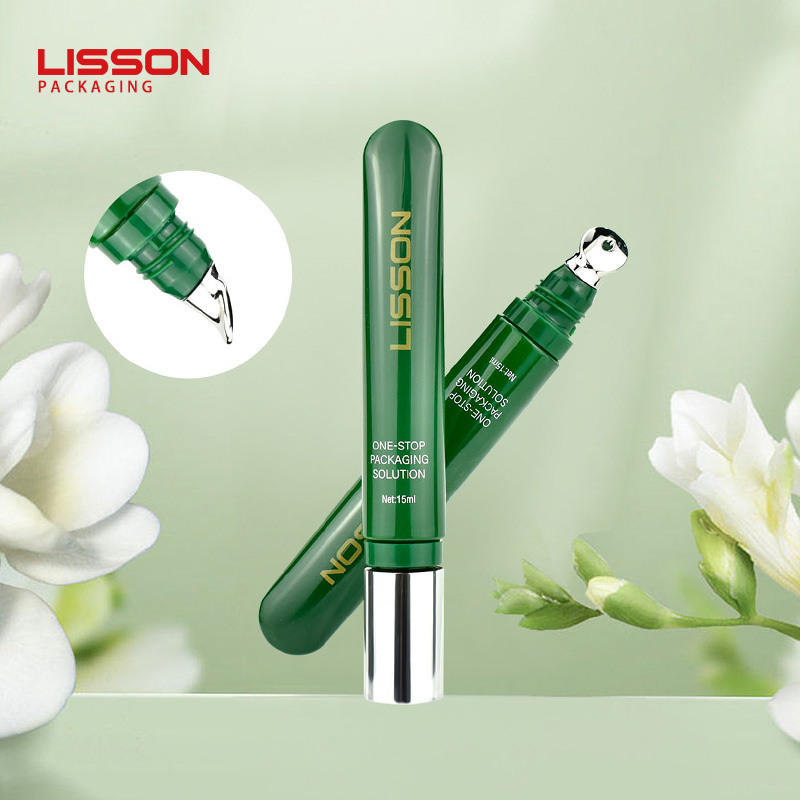
Before mass production, cosmetic brands should test the complete packaging system rather than evaluating only the empty bottle.
Important checks can include:
For brands producing multiple market versions, it is also useful to confirm that all customized versions maintain the same basic quality and dimensional standards.
Lisson's customization process includes sample production and testing before mass production, allowing brands to evaluate bottle structure, color, sealing, and compatibility before moving to larger production volumes.
The best strategy is usually not to create a completely different bottle for every country. Instead, brands should identify which packaging elements actually need to change for each market.
For example, the bottle structure and material can remain consistent while capacity, color, printing, labeling, pump type, or surface finish changes. This creates a more manageable packaging system and can reduce unnecessary development work.
A useful decision process is:
This approach helps cosmetic brands balance market positioning, packaging performance, production efficiency, and cost.
Can plastic cosmetic bottles be customized for different countries?
Yes. Brands can customize bottle capacity, color, shape, material, surface finish, printing, closure, and dispensing components according to different market and product requirements.
Do cosmetic brands need a completely new mold for every market?
No. In many cases, an existing bottle structure can be combined with customized colors, finishes, printing, pumps, or labels. A new mold is more appropriate when the bottle's physical shape is a key part of the brand identity.
What plastic materials can be used for custom cosmetic bottles?
Common options include PE, PP, PET, and PETG. The right material depends on the formula, required appearance, bottle structure, dispensing method, production process, and market positioning.
Can cosmetic bottle colors be matched to a brand identity?
Yes. Custom color matching can be used to coordinate the bottle, pump, cap, and other packaging components with the brand's visual identity.
How do brands choose between a pump bottle, dropper bottle, and airless bottle?
The choice should be based on formula viscosity, required dosage, application method, product sensitivity, and user experience. Pump bottles work well for many lotions and liquid products, droppers provide controlled dosing, and airless packaging can be considered for formulas where reduced air exposure and efficient product evacuation are important.
Can Lisson develop customized cosmetic bottles for different market requirements?
Yes. Lisson provides OEM and ODM cosmetic packaging services covering bottle design, material selection, mold development, color matching, surface decoration, closure selection, sample development, testing, and mass production.
For a new cosmetic packaging project, brands should provide as much information as possible about the product and target market before the bottle design is finalized.
Useful information includes the product type, formula viscosity, target capacity, dispensing method, sales channel, target market, preferred material, expected order volume, brand colors, decoration requirements, and any specific packaging restrictions.
From there, a packaging manufacturer can recommend a suitable bottle structure and determine which elements should be customized.
For cosmetic brands that need different packaging for different products or markets, Lisson can combine standard bottle structures with customized materials, colors, finishes, closures, and decoration. This makes it possible to build packaging that is not only visually aligned with the brand, but also suitable for the product and production requirements.
In short, effective cosmetic bottle customization is about matching the packaging to the market—not simply making the bottle look different. When capacity, material, dispensing system, appearance, labeling, and production requirements are considered together, brands can develop plastic cosmetic bottles that are easier to manufacture, easier to manage across markets, and better aligned with the final customer experience.