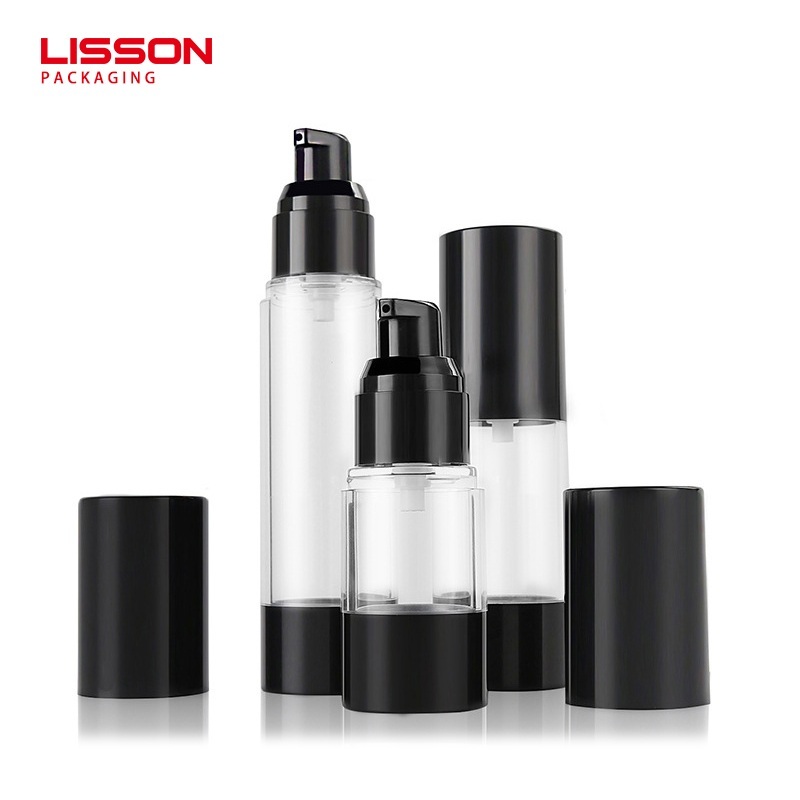
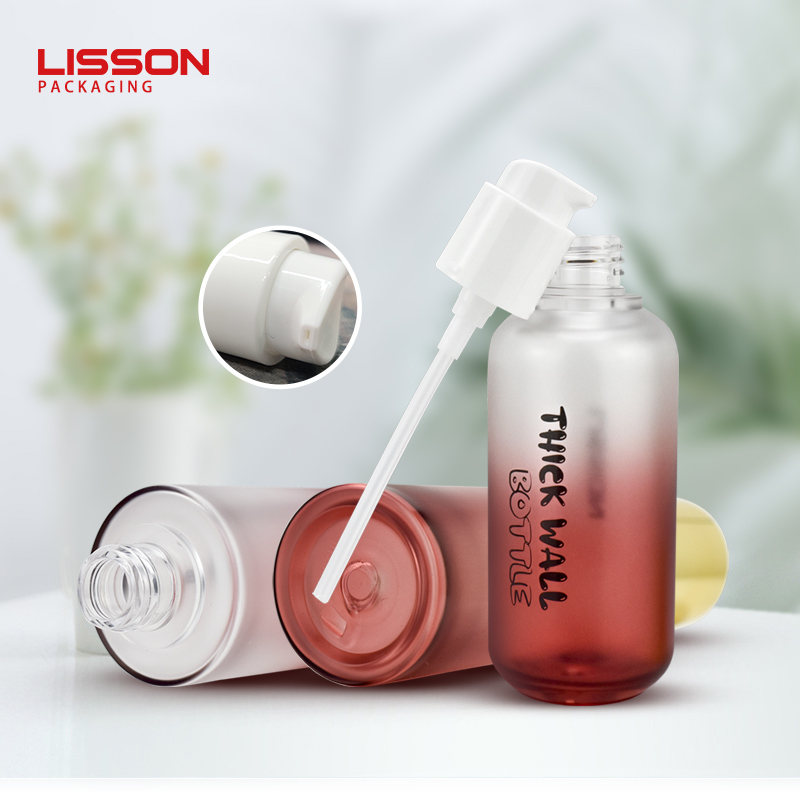
Your essential oil formula is delicate. Oxygen, light, and contaminants slowly change its chemistry, and the damage often shows up first as a sharp or stale aroma. Cosmetic Airless Pump Bottles offer a practical answer. They keep outside air away from the formula during storage and each use, so the...
Packaging shapes three things at once: how well a formula stays protected, how buyers perceive your brand, and what you pay per unit. PETG cosmetic tubes earn a place on many shortlists for exactly this reason. They balance clarity, toughness, and cost in ways that suit a wide range of products.
&nb...
Quality control is one of the most important factors when choosing cosmetic packaging suppliers for plastic bottles. A bottle may look attractive in a product sample, but it must also meet dimensional requirements, maintain a reliable seal, work with the selected pump or cap, and remain compatible w...
Five criteria drive every pump bottle decision: material compatibility, viscosity matching, pump output and dosage, neck finish, and application-specific pump type. Lotion, spray, and foaming formulas each stress the bottle-pump system in different ways, so a pump that suits a thick cream rarely su...
Polyethylene terephthalate glycol, or PETG, is a thermoplastic polyester that manufacturers make by modifying PET with glycol. Cosmetic brands often choose PETG for their tubes because it offers three headline benefits: clarity, durability, and chemical resistance. These traits help a product look p...
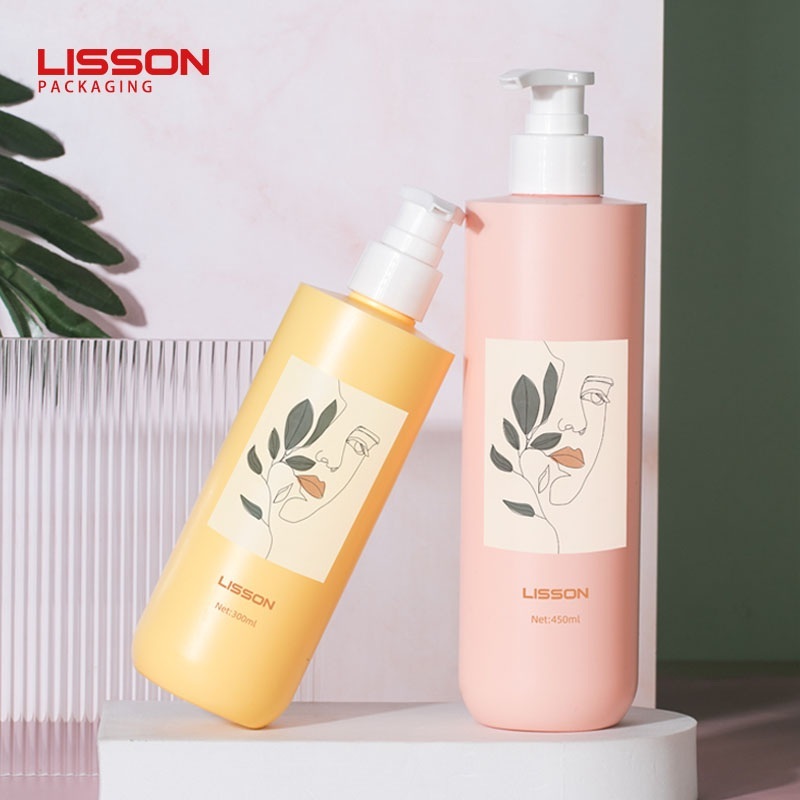
Polyethylene (PE) plastic bottles are widely used for skincare and personal care products because they offer a practical combination of lightweight construction, durability, flexibility, and useful chemical resistance. Depending on the material grade and bottle design, PE packaging can be suitable...
You face a real choice with a custom mist spray bottle: PETG shapes or flocked PE finishes. The right pick depends on your application, performance needs, compliance rules, and budget. No single option wins everywhere.
Lisson supplies both options, so this guide aims at fit, not favoritism. It give...
PETG delivers superior flexibility, impact resistance, and a premium look. PET offers cost efficiency and wide recyclability. Packaging teams weigh five criteria when they choose between these materials: formulation compatibility, design and clarity needs, regulatory compliance, sustainability goals...
Mass production of custom plastic cosmetic bottles involves more than choosing a bottle shape and placing an order. Beauty brands need to consider material compatibility, mold development, dispensing performance, surface decoration, production consistency, minimum order quantity (MOQ), and delivery...
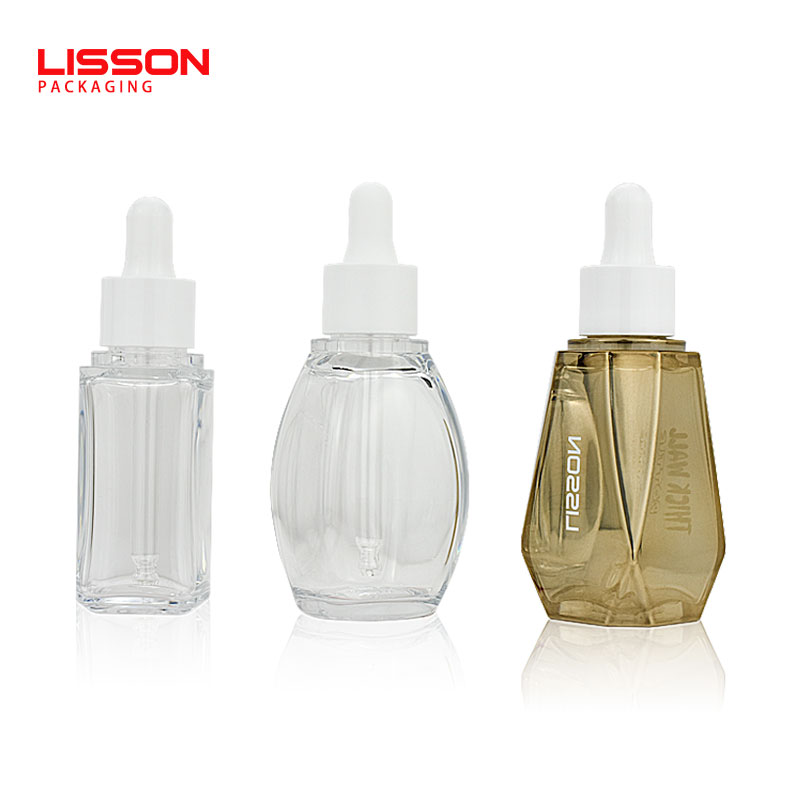
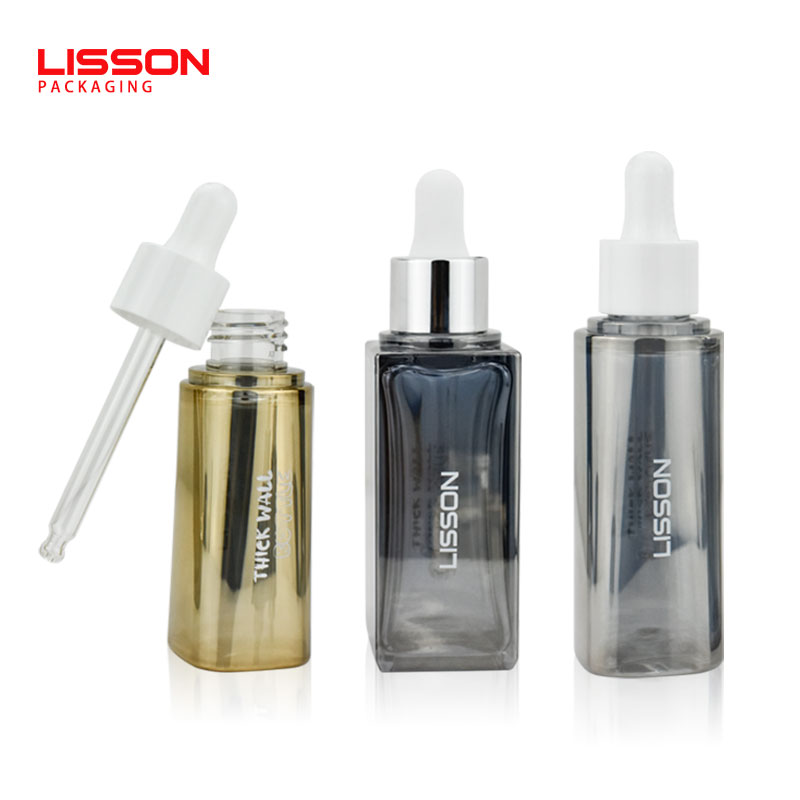
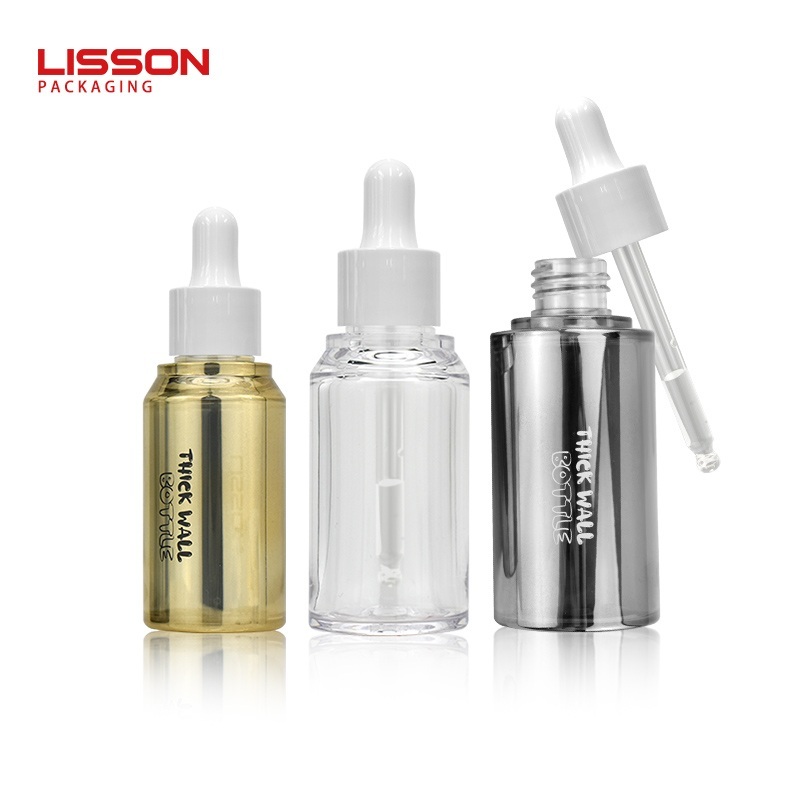
The dropper bottle is often the first physical touchpoint a customer has with your skincare or essential oil brand. Long before anyone uses a single drop, the packaging signals quality, care, and intent. In the luxury skincare and essential oil industry, that first impression decides whether a shop...
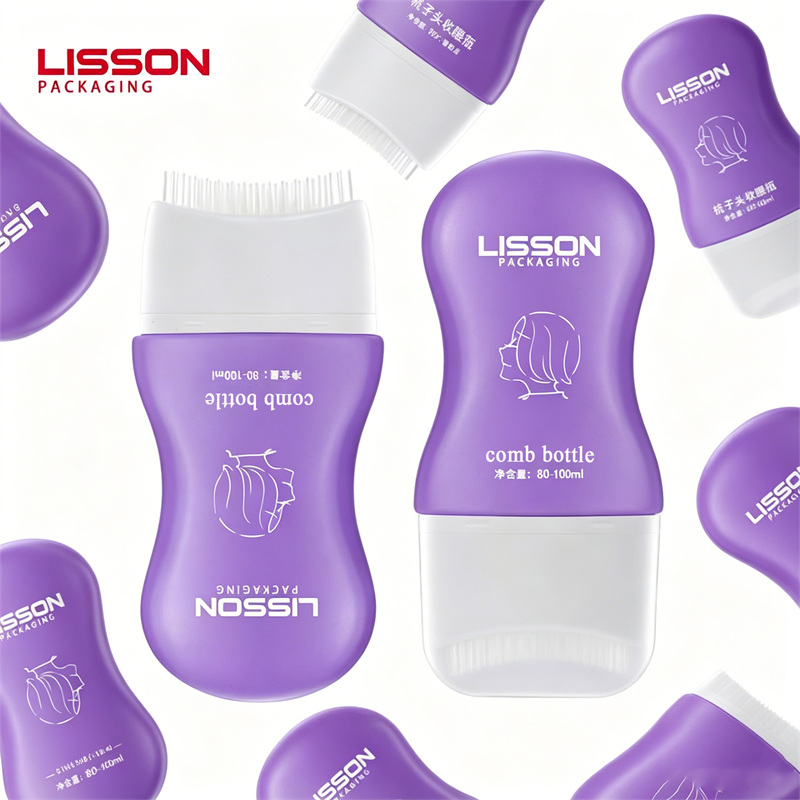
Ever watched a blob of hair dye slide down your forehead because your applicator had other plans? You are not alone. A squeeze bottle with comb applicator from Lisson ends that chaos. The comb teeth push product exactly where you want it, so you get precision, speed, and far less mess. You also save...
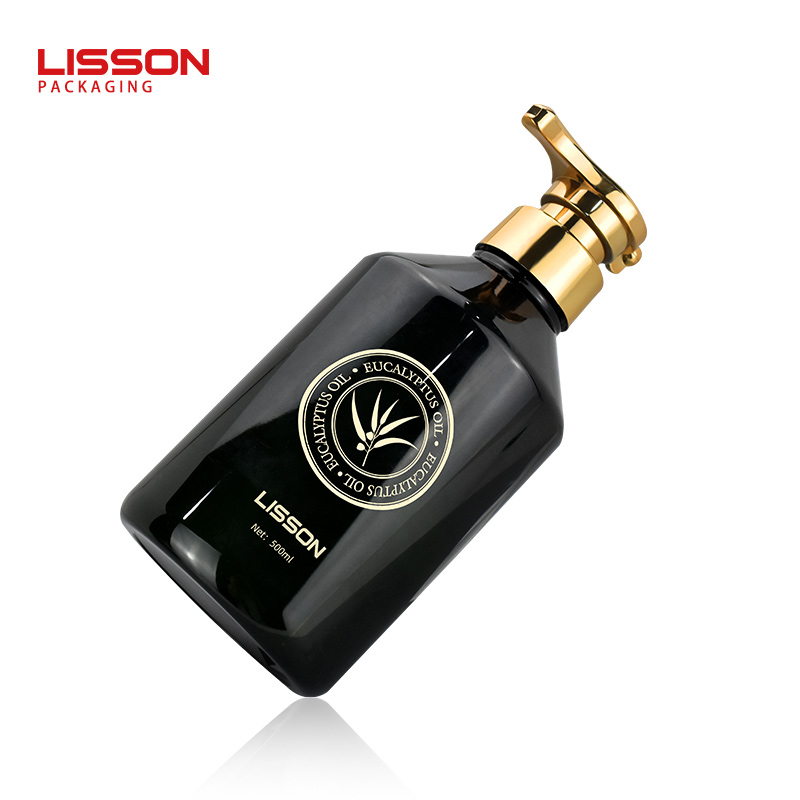
Plastic cosmetic bottle packaging is evolving beyond basic storage. Beauty brands are looking for packaging that combines sustainable materials, convenient dispensing, distinctive design, and reliable protection for skincare and personal care formulas. The latest trends include PCR recycled plastic...