what are you looking for?

Facial cleanser serves as a daily skincare essential for millions of consumers. You must protect your formulation while enhancing shelf appeal and user experience. Selecting the right plastic bottle requires careful evaluation of your product's viscosity, active ingredients, and target texture. Gel, foam, cream, and oil formulas each demand specific dispenser types and compatible resin materials. Generic containers often fail to maintain formula stability or deliver smooth dispensing. Modern facial cleanser packaging must balance visual branding with functional durability and eco-friendly material options. You can partner with experts like Lisson to engineer high-performing face wash packaging that elevates your brand presence.
Match your cleanser viscosity with compatible bottle materials like PET or HDPE.
Use airless pump bottles to protect sensitive active ingredients from air exposure.
Choose bottle sizes under 100 milliliters to meet airline travel safety rules.
Add custom surface finishes and ergonomic grips to boost your brand appeal.
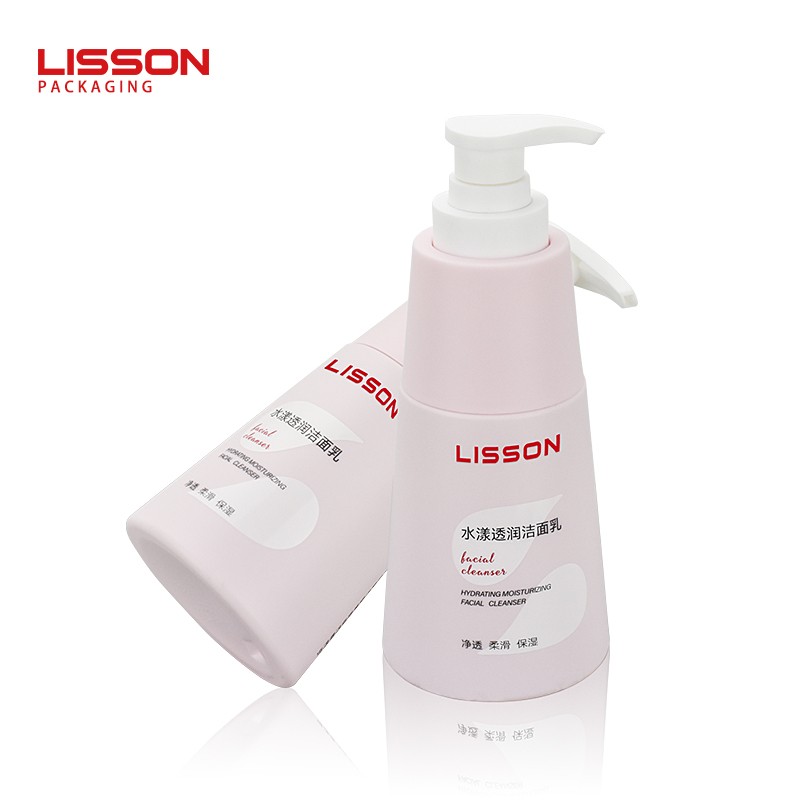
You must analyze your formula active ingredients, oil content, and rheological viscosity before selecting any container. Complex active ingredients can react with an incompatible packaging material over extended shelf storage. Selecting a high-performing packaging material prevents formula breakdown and maintains product safety during daily use. Unstable plastic containers can alter cleanser texture, diminish natural scent profiles, or reduce key active ingredient potency.
Certain botanical oils, exfoliating acids, or organic extracts require specialized barrier coatings to prevent resin degradation. Advanced airless packaging effectively shields sensitive skincare formulas against destructive oxygen exposure and moisture breakdown. Superior closure design maintains formula safety and consumer hygiene by preventing microbial contamination. You can collaborate with Lisson to conduct rigorous compatibility testing and guarantee formula stability across global distribution channels.
You must match your dispensing mechanism directly to formulation viscosity and target user scenarios. Low-viscosity liquid cleansers require specialized foaming pumps, whereas heavy cream formulas demand high-viscosity lotion pumps. Precision dispensing mechanisms deliver controlled single-dose output while enabling seamless single-hand operation under wet bathroom conditions. Ergonomic bottle contours prevent slipping and ensure effortless handling during fast-paced morning routines.
Defective pump mechanisms frustrate consumers, create mess, and compromise brand credibility. Laboratory stress testing evaluates seal tightness, pressure endurance, and leak resistance during international transit and repeated daily application. The table below illustrates standard failure points observed in container designs:
|
Failure Type |
Description |
|---|---|
|
Unstable foam |
Foam output is watery or inconsistent, especially with certain formulas. |
|
Leakage around pump-neck interface |
Residue or slow seepage at the 40-thread neck after repeated pressing. |
|
Visible body distortion |
PE body shows deformation or stress whitening after use. |
Selecting a structurally resilient plastic facial cleanser bottle eliminates these costly quality defects. Precision pump engineering maintains structural neck alignment, prevents progressive mechanical wobble, and guarantees consistent product evacuation throughout the product lifecycle.
Selecting the right plastic bottle shapes how consumers evaluate your product quality on retail shelves. Polyethylene terephthalate (PET) plastic bottles provide crystal clarity that highlights liquid colors and formula textures. PET delivers good impact resistance and remains shatterproof compared to traditional glass containers. Selecting the proper packaging material preserves your product during shipment.
PET material provides excellent clarity and transparency. This transparency allows consumers to see the product inside, which improves retail presentation and customer trust.
Lisson manufactures clear PET facial cleanser packaging with a smooth surface coefficient of friction between 0.2 and 0.3. In market surveys, 68% of packaging designers ranked PET as the most luxurious packaging material based on touch. Choosing PET preserves formula integrity against light and moisture breakdown while guaranteeing long-term chemical safety. Partnering with Lisson ensures your custom container protects active ingredients. Brand managers who adopt eco-friendly packaging can utilize post-consumer recycled resins (PCR-PET) to lower environmental impact without sacrificing visual appeal.
High-density polyethylene (HDPE) and low-density polyethylene (LDPE) offer specialized structural benefits for skincare packaging. HDPE provides excellent impact strength, high durability, and strong resistance to stress cracking in humid bathroom settings.
|
Material |
Tensile Strength |
Flexural Modulus |
Flexibility |
|---|---|---|---|
|
HDPE |
26-33 MPa |
800-1,400 MPa |
Rigid and stiff |
|
LDPE |
8-25 MPa |
150-250 MPa |
Highly flexible and soft |
HDPE features a tactile surface coefficient of friction between 0.35 and 0.45, providing a non-slip grip for wet hands. When your cream cleanser requires soft squeezing, flexible low-density PE serves as the ideal packaging material. Evaluating different types of plastic bottles helps you balance squeeze recovery with structural wall rigidity. Incorporating environmentally friendly materials like PCR-PE allows your brand to deliver durable plastic bottles responsibly. These options enhance your overall packaging presentation while maintaining container reliability.
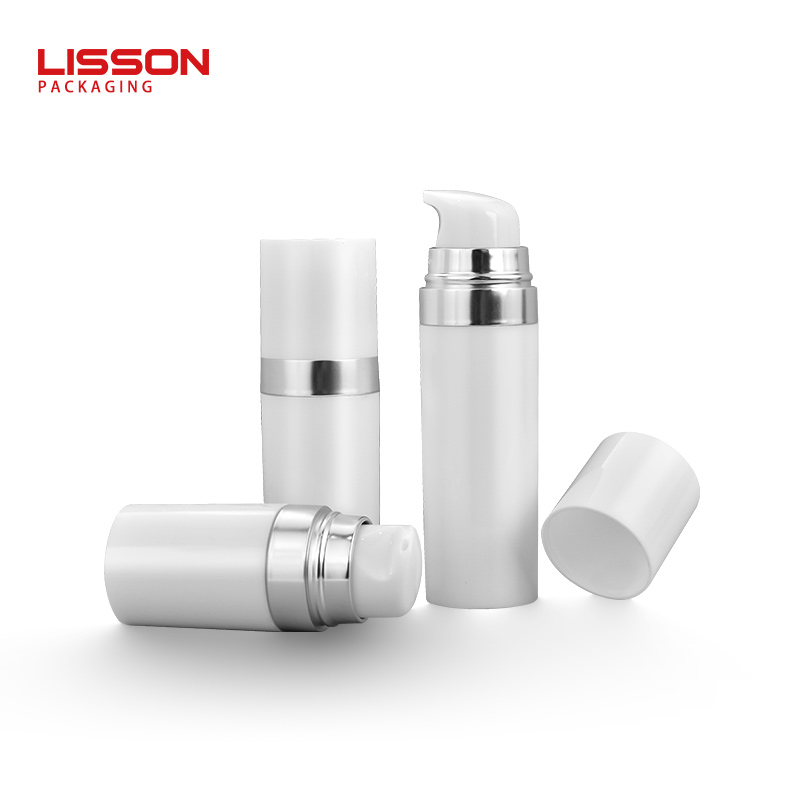
You must evaluate your formulation texture when selecting among various types of plastic bottles. Fluid gels and liquid cleansers require controlled dispensing mechanisms to prevent product waste on bathroom surfaces. Standard lotion pumps deliver consistent liquid dosages through a traditional dip tube assembly. However, sensitive organic formulations require advanced oxygen-barrier technology to prevent premature oxidation and degradation. Airless pump bottles eliminate traditional dip tubes entirely. These containers feature a disc-shaped piston located at the base of the bottle. Pressing the top pump actuator creates a continuous internal vacuum. This suction pulls the internal piston upward, pushing product directly out through the nozzle orifice. No ambient air re-enters the container during this dispensing process.
Airless packaging extends overall shelf life by up to 15% more compared to traditional pumps, by effectively sealing out external air and increasing product formula stability.
This completely sealed vacuum design protects active skincare ingredients like retinoids, antioxidants, and Vitamin C against oxidative breakdown. Airless containers preserve delicate formulations, maintaining active potency and product freshness from the initial press to the final drop. In contrast, instant foaming pumps process low-viscosity liquid cleansers through a different mechanical approach. These specialized pump assemblies mix air with liquid cleanser inside an internal chamber, creating rich foam instantly without chemical aerosol propellants. This mechanical design protects liquid formula purity while promoting user hygiene during daily skin cleansing routines.
Thick cream cleansers, dense mud formulas, and gentle exfoliation scrubs demand flexible container designs for easy extraction. Squeezable tube packaging allows consumers to evacuate heavy, high-viscosity formulas smoothly without leaving product residue inside. Packaging engineers craft flexible tube packaging using low-density polyethylene resins or multi-layer barrier films. Selecting flexible tube packaging guarantees immediate wall recovery after squeeze pressure releases during daily application.
Squeeze bottles are engineered for precise, effortless dispensing of cream cleansers and facial scrubs.
Matching your specific formulation viscosity with the correct packaging material ensures seamless daily operation for end users. A flexible packaging material accommodates varying product densities while protecting internal ingredients against moisture penetration and environmental degradation. Choosing premium custom facial cleanser bottle options from Lisson elevates overall product performance and consumer brand perception. Selecting resilient plastic bottles prevents permanent wall stress whitening and structural body deformation after repeated physical compression.
Evaluating distinct types of plastic bottles helps cosmetic brand managers balance aesthetic shelf elegance with practical functional ergonomics. High-viscosity cream formulas benefit directly from flexible squeeze containers, whereas fluid liquid cleansers perform best in rigid plastic skincare bottles. You can collaborate with Lisson to design your custom plastic facial cleanser bottle using advanced tooling technology. Precision structural engineering protects formula hygiene while creating a distinct, memorable face wash bottle shape. Modern plastic bottle for facial cleanser solutions combines reliable structural wall integrity, protective barrier features, and appealing visual presentation. Strategic facial cleanser packaging bottle customization reinforces consumer trust across competitive retail channels. High-performing facial cleanser packaging solutions safeguard delicate active ingredients, ensure precise dosage, and enhance daily user experience.
You must select bottle capacities that align with consumer habits and retail sales channels. The global travel toiletries market is valued at over $7.6 billion. Eye-catching mini containers trigger quick purchase decisions in airport shops and retail stores. Nearly 70% of travel retail purchases are impulse buys. Offering convenient mini sizes allows your beauty brand to capture these high-margin sales opportunities effortlessly.
Air travel guidelines strictly regulate liquid container dimensions in carry-on bags. According to the TSA's 3-1-1 rule, liquid facial cleanser in carry-on luggage must be in containers of 3.4 ounces (100 milliliters) or less. Additionally, all such containers must fit into a single quart-size bag. Containers larger than 3.4 ounces are not allowed, even if they are only partially filled. The rising popularity of travel-sized products serves as a key market dynamic in the cleansing foam market. You can partner with Lisson to produce portable facial cleanser packaging that satisfies strict airline safety rules.
Standard volume options serve consumers during their daily home skincare routines. Most shoppers prefer full-sized containers for continuous bathroom countertop application. The standard daily-use size for cleansers ranges from 100ml to 200ml. These primary dimensions offer ideal utility for daily morning and evening skin cleansing routines. Matching container volume with formula shelf life prevents delicate active ingredients from degrading before full product depletion.
Brands order versatile plastic bottles across standardized capacities to build complete skincare lines. Standard capacities for B2B bulk skincare packaging include:
50ml
100ml
120ml
150ml
200ml
Selecting uniform volume options streamlines your manufacturing lines and lowers overall packaging expenses. Lisson produces high-quality plastic bottles across these standard dimensions to preserve formula integrity. You deliver dependable consumer value and foster brand trust by selecting durable custom facial cleanser bottle options tailored to market needs.
Ergonomics transforms routine skincare steps into a seamless user experience. Your plastic bottle for facial cleanser must fit comfortably inside the user's palm during morning and evening application. Packaging engineers integrate ergonomic grip zones and flexible container bodies to prevent accidental slipping in wet bathroom environments. Smooth pump actuators deliver controlled single-dose output without messy drips, while internal check valves stop liquid backflow. Secure closure systems maintain formula hygiene and prevent accidental leaks during international transit.
Lisson manufactures durable packaging solutions inside a certified 100,000-grade dust-free workshop. Pristine manufacturing environments eliminate microscopic ambient contamination, guaranteeing formula safety throughout high-volume production. Professional OEM structural design ensures tight engineering tolerances around the pump-neck interface to prevent slow seepage. By prioritizing resilient structural integrity, your beauty brand safeguards product safety while building long-term consumer trust on retail shelves.
Visual customization elevates your custom facial cleanser bottle far above generic competitors on retail shelves. Precision Pantone color matching creates flawless visual identity across multiple product SKUs. Minimalist monochrome designs communicate clinical purity, whereas nature-inspired palettes reinforce organic active ingredients. Professional structural mold design empowers global cosmetics brands to build distinct brand equity through original container shapes.
|
Design Model |
Customization Scope |
Differentiation Potential |
|---|---|---|
|
OEM Solutions |
Unlimited custom shapes, unique molds, and proprietary caps |
Exclusive long-term shelf differentiation |
|
ODM Solutions |
Standardized bottle shapes with custom color matching and printing |
Rapid market entry with lower upfront tooling costs |
Durable silk-screen printing provides thick ink adhesion that resists fading, rubbing, or water damage during daily use. Surface flame treatment on PE plastic skincare bottles optimizes ink adhesion, while high-speed UV curing hardens protective coatings without production delays. Applying a soft-touch matte UV coating generates a premium tactile feel, whereas metallic hot stamping adds reflective accents that signal luxury positioning. Strategic surface decorating elevates cosmetic packaging, delivering comprehensive facial cleanser packaging solutions.
Selecting the right plastic bottle requires balancing formula viscosity matching, dispensing precision, resin selection, and brand aesthetics. B2B skincare buyers must evaluate every container supplier thoroughly before starting mass production. You can streamline your supplier evaluation process using this quick decision checklist:
Verify formula chemical compatibility and leak resistance.
Test pump dispensing precision and mechanical durability.
Confirm sustainable material availability like PCR plastics.
Assess custom surface decoration and branding capabilities.
Partnering with experienced manufacturers like Lisson Packaging guarantees optimal formula preservation, full design flexibility, and high manufacturing quality for your facial cleanser packaging. Contact our product developers today to request custom bottle samples and schedule your engineering consultation.
You should select high-density polyethylene (HDPE) or squeezable low-density polyethylene (LDPE) for cream formulas. These flexible plastic skincare bottles provide a comfortable grip and allow easy squeeze recovery without body distortion. Lisson engineers flexible squeeze options to ensure effortless daily product evacuation.
Airless packaging uses an internal vacuum piston instead of a dip tube. This design prevents external air from entering your custom facial cleanser bottle. Airless containers protect organic active ingredients against oxidation and extend overall formula shelf life by up to 15%.
TSA rules require liquid containers in carry-on bags to measure 3.4 ounces (100 milliliters) or less. You can select compact 50ml or 100ml plastic bottle for facial cleanser formats from Lisson to meet airline security standards while offering convenient travel options for consumers.
PCR-PET and PCR-PE materials lower environmental impact without sacrificing visual appeal or structural strength. You can incorporate recycled resins into your facial cleanser packaging bottle design to satisfy consumer demand for sustainable skincare packaging while maintaining complete product safety and chemical compatibility.