The right PET pump bottle size comes from three inputs: the formula inside, the use case, and the market position. Guesswork rarely survives the first production run. A thin serum and a rich body lotion demand different bottles, and a travel kit and a family refill demand different capacities. Common sizes show this range clearly: 30 ml suits serums, 200 ml (6.8 oz) fits lotions and body wash, and 500 ml serves soap and shampoo.
This guide walks you through the matching process step by step, from reading your formula to testing samples before bulk production. You will see how material fit, capacity, pump output, dip tube, closure, and bottle shape work together. Lissonbottle's 500ml Empty PET Lotion Pump Bottle and PET 200ml Facial Cleanser Pump Bottle serve as running examples, and each choice starts with one plastic bottle decision at a time.
Key Takeaways
-
Start with your formula to choose the right bottle material and pump.
-
Match bottle capacity to how often the product is used and where it is sold.
-
Tune the pump output and dip tube to fit your formula's thickness.
-
Test a filled sample before bulk production to catch problems early.
-
Keep packaging consistent across your product line for brand recognition.
Start with the Formula
Your formula decides the bottle before any other choice. Thin, watery liquids pour easily, so they suit droppers or sprayers. Thick creams move slowly, so they need a pump that lifts the product and pushes it out. Read your formula first, then let it guide every later decision.
Read Viscosity and Flow
Viscosity describes how freely a liquid flows. A toner or micellar water runs quickly, while a rich lotion resists movement. Test a small batch and watch how it moves when you tilt the container. A fast-flowing formula may drip from a pump spout. A dense formula may clog a fine sprayer. Match the flow to the dispensing method, and you avoid both problems.
Confirm Plastic Bottle and Formula Fit
Material fit matters as much as size. PET offers near-glass clarity, so serums, toners, and colored liquids look premium in it. PET also blocks oxygen better than HDPE, which helps formulas with oxidation-sensitive actives last longer on the shelf. Its limits are real: essential oils, some fragrance compounds, and high-alcohol formulas can cause stress cracking, and PET deforms above 45°C. HDPE suits products where chemical resistance and durability matter most. It resists strong acids and bases and handles heat up to 60°C, though it stays opaque.
|
Factor |
PET |
HDPE |
|---|---|---|
|
Appearance |
Clear and glossy |
Opaque |
|
Chemical resistance |
Good |
Excellent |
|
Heat resistance |
Low |
Medium |
|
Best for |
Serums, toners |
Cleansers, lotions |
Suitability depends on grade, bottle structure, and formula compatibility. Lissonbottle can help you confirm the right plastic bottle for your formula before you commit.
Choose the Right Plastic Bottle Capacity
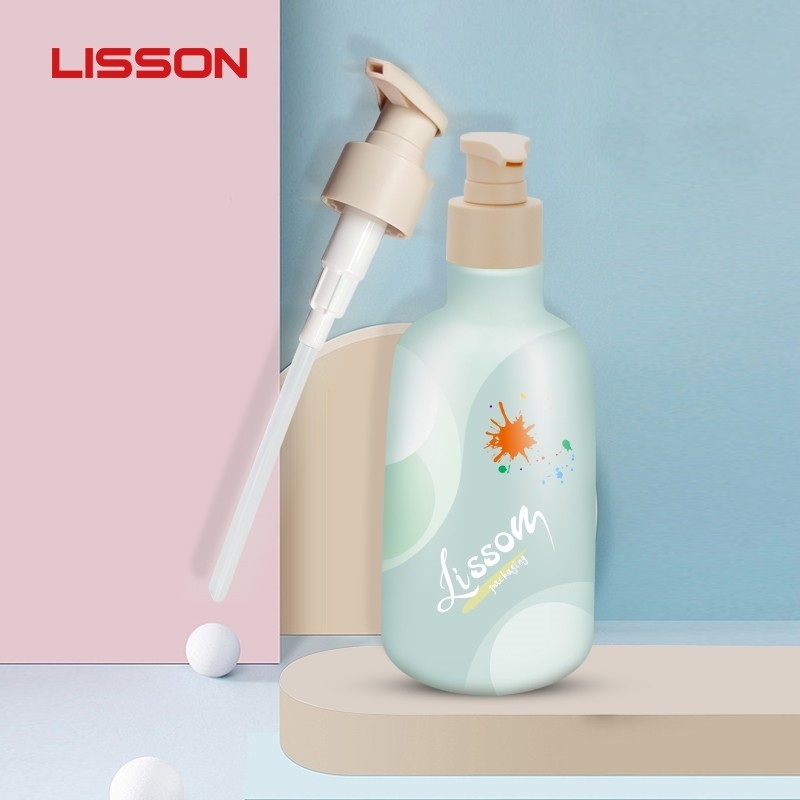
Capacity follows product type and use pattern. Get this wrong and you either waste formula on oversized bottles or force buyers to repurchase too often. Lissonbottle's range shows how the same plastic bottle family scales across both ends of the market.
Match Capacity to Product Type
Body lotion moves in large volumes per application. A 500ml Empty PET Lotion Pump Bottle suits this job well, and bulk packs built around a 16 oz. clear PET lotion pump bottle confirm the same logic for salon and spa use. Clear round PET lotion pump bottles also handle thick liquids such as shampoo, hand cream, and hair conditioner. Daily-use formulas sit lower on the scale. A frosted PET pump bottle at 150ml fits makeup remover, hair oil, and lotion, where the user finishes the product within a reasonable window.
Facial cleansers follow a similar pattern. Foamer bottles for facial cleansers commonly come in 30ml, 60ml, 100ml, and 150ml capacities. The PET 200ml Facial Cleanser Pump Bottle sits just above that cluster and covers daily facial cleansing without constant refilling. Across the category, common capacities run from roughly 15 ml travel sizes to 500 ml family-use bottles, though availability varies by supplier.
Weigh Usage Frequency and Retail Positioning
Usage frequency sets the floor for capacity. A product used twice a day empties faster than one used twice a week. Match the fill volume to a realistic replacement cycle, and your customer returns before the bottle feels stale.
Retail positioning sets the ceiling. Travel products and trial kits favor 100ml–150ml for compact size and portability. Everyday shampoo and conditioner work well at 200ml–250ml for convenient handling and storage. Regular retail and family-size products land at 300ml–500ml, where capacity, grip, and dispensing efficiency matter together. Salon and professional hair care often goes to 500ml and above, where a stable base supports repeated dispensing. Treat these as general reference ranges, not fixed industry standards.
Price tier shapes the same decision. Premium positioning justifies investment in formulation and packaging quality. Value positioning pushes you toward different optimization priorities. Your target market, usage frequency, and filling requirements all feed the final call on any plastic bottle size.
Tune the Pump to the Formula
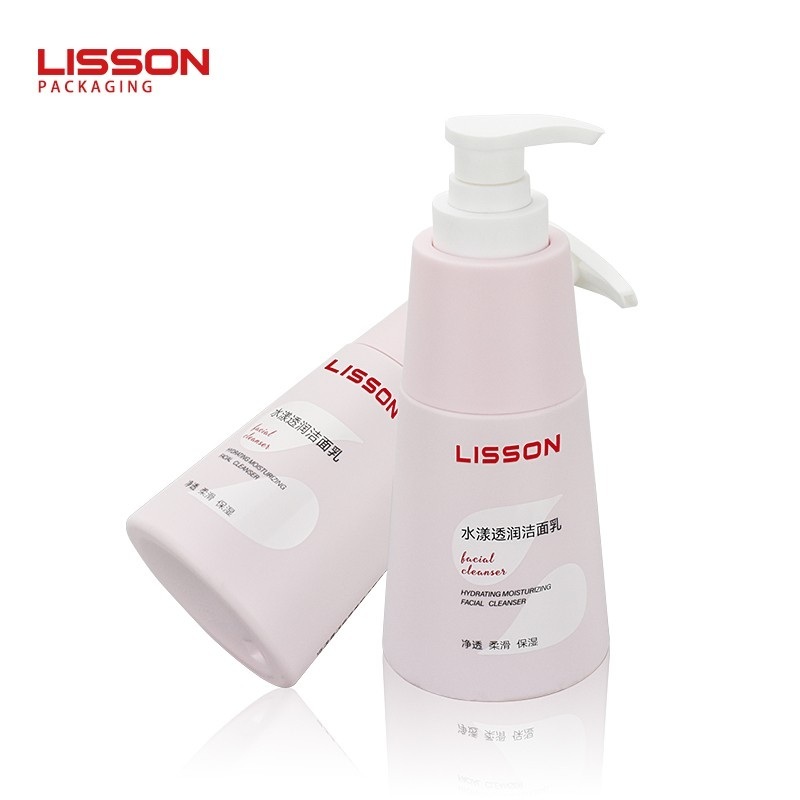
A pump is not a generic add-on. Its output, dip tube, and closure must match your formula's viscosity and your bottle's neck finish. Get this pairing right, and every stroke delivers the intended dose. Get it wrong, and users fight the bottle or waste product.
Set Pump Output and Dip Tube
Start with viscosity. Thin formulas need small-output treatment or lotion pumps with reliable sealing, because thin liquids drip and over-dose easily. Medium-viscosity lotions work well with a 1cc–2cc lotion pump. Thick creams call for a high-viscosity or larger-output pump, such as 2cc, 4cc, or higher, with a wider internal flow path and orifice.
|
Formula viscosity |
Starting pump direction |
Key considerations |
|---|---|---|
|
Low |
Small-output treatment or lotion pump |
Reliable sealing; check dip tube length and diameter; watch for dripping and over-dosing |
|
Medium |
1cc–2cc lotion pump |
Review dip tube length and diameter for efficient emptying; watch for under-dosing or poor priming |
|
High |
High-viscosity or larger-output pump (2cc, 4cc, or higher) |
Wider flow path and orifice; watch for clogging and high actuation force |
Output volume and viscosity compatibility are separate decisions. A higher cc output will not solve every high-viscosity problem. Typical outputs range from 0.1–0.15 ml for fine mist pumps to 0.5 ml and up for lotion pumps. A 100ml bottle with a 1.0ml dose lasts about 100 uses; a 500ml bottle with a 2.0ml dose lasts about 250 uses.
Dip tube length needs its own approval. Measure from the top of the gasket to the tube tip, then measure the bottle's inner height from the finish to the base. Subtract 3/32 inch from the bottle height to allow for the push-up. Cut at an angle, leaving a slight gap so product can flow. Never cut the tube flush with the base, because that blocks dispensing. Thin tubes on sprayers should bend toward the sidewall; thick lotion pump tubes sit with a small gap above the bottom.
Run practical checks on your plastic bottle sample. Measure at least 10 consecutive strokes for output consistency, then continue for 50 to 200 strokes and inspect force, return, and leakage. Check the bottle near empty for residual product or channeling. When a formula sits near the boundary between two viscosity groups, test both pump options.
Match the Neck Finish and Closure
The neck finish ties pump to bottle. The SPI system codes finishes by diameter and thread style: 24-410 and 28-410 are common for lotion pumps, while 20-410 suits treatment pumps and fine mist sprayers. The 410 profile uses a taller, roughly 1.5-turn continuous thread that handles pump torque with a secure seal. Confirm thread alignment, closing security, ease of operation, and cap retention on your assembled sample. A pressure reduction leak test checks the neck, closure, and pump connection for sealing performance. A drop test then reveals cracking, leakage, cap separation, or pump damage.
Design for Experience and Brand Consistency
Shape the Bottle Around Usability
Shape affects how a bottle feels in the hand and how the pump performs. A wide shoulder gives a stable grip for a 500ml Empty PET Lotion Pump Bottle on a shower shelf. A slimmer profile suits a PET 200ml Facial Cleanser Pump Bottle that users hold with one hand at the sink. Test the pump force, cap ease, and hand feel on a filled sample, not on a drawing.
Ergonomics also protect the formula. A pump that needs heavy force can splash thin liquids. A cap that twists loosely invites leakage in transit. Check torque, leakage, and drop safety on every closure you plan to use. Match the structure to the viscosity and the preservation system, and the plastic bottle becomes part of the product experience.
Build a Cohesive Packaging System
A facial range rarely uses one format. You might pair airless bottles for emulsions, a compatible dropper bottle for an oil, and a jar for a richer mask. Keep the family recognizable with these shared rules:
-
Use sister shapes from one core geometry, adjusting only proportions.
-
Standardize neck finishes, caps, and pumps across the line.
-
Fix logo placement, size, and clear space on every SKU.
-
Reserve one brand color and use a variant band to separate products.
-
Align material finishes, such as clear, frosted, or matte PET.
Lock these rules in a master sample that defines geometry, material, color, surface finish, decoration, and packing specs. Test printed mockups at different sizes and viewing distances before you commit.
Sample testing comes next. Inspect empty bottles for neck finish and clarity, then check pump torque and seating after assembly. Fill with the real formula, review temperature limits, and inspect for abrasion after packing. Plan the move to scale with a packaging partner early. Explore Lissonbottle's PET pump bottle options at Lissonbottle to find the right fit for your line.
Match in sequence: read the formula first, then choose the Plastic Bottle material, set capacity, tune the pump, shape the bottle, and confirm brand fit. Validate every choice with a filled sample before you commit.
Small upfront decisions on size and pump specification prevent costly mismatches later. A wrong dip tube or neck finish surfaces at the filling line, not on the drawing.
Request samples and consult a packaging partner early. Explore Lissonbottle's PET pump bottle options at Lissonbottle to find the right fit for your product line.
FAQ
How do I choose between PET and HDPE for my formula?
Start with what your formula needs. PET gives clear, glossy walls and strong oxygen protection, which suits serums and toners. HDPE stays opaque and resists chemicals and heat better, which suits cleansers and lotions. Confirm the grade and bottle structure with your supplier before you commit.
What size Plastic Bottle should I pick for a body lotion?
Match fill volume to how often the user applies the product. A large bottle such as the 500ml Empty PET Lotion Pump Bottle fits daily body care and family use. Smaller sizes work better for travel kits and trial offers. Check your replacement cycle before you finalize the size.
Which pump output works for a facial cleanser?
A daily cleanser usually flows thin to medium, so a small-output pump delivers a controlled dose without waste. The PET 200ml Facial Cleanser Pump Bottle pairs well with this setup for sink-side use. Test several strokes on a filled sample and watch for dripping or over-dosing.
How long should the dip tube be?
Measure the bottle's inner height from the finish to the base, then subtract a small allowance so the tube clears the bottom. Cut the tip at an angle. A tube that sits flush with the base blocks flow, and a tube that falls short leaves product behind.
What should I check on a sample before bulk production?
Inspect the neck finish and clarity on the empty bottle. Assemble the pump and check torque and seating. Fill with your real formula, then review output consistency, leakage, drop safety, and residual product near empty. Approve a master sample before you scale.