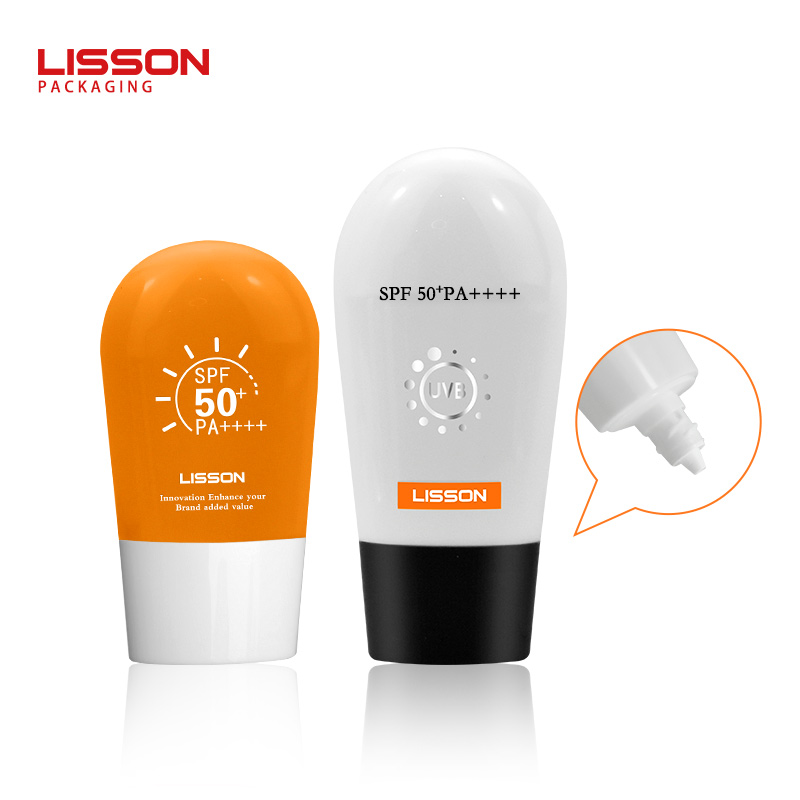
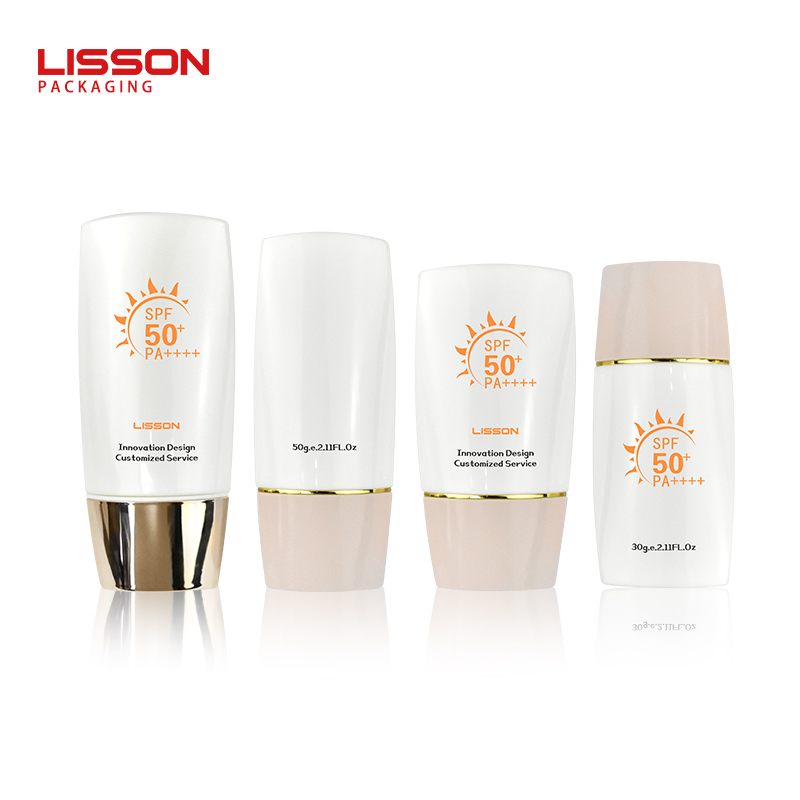
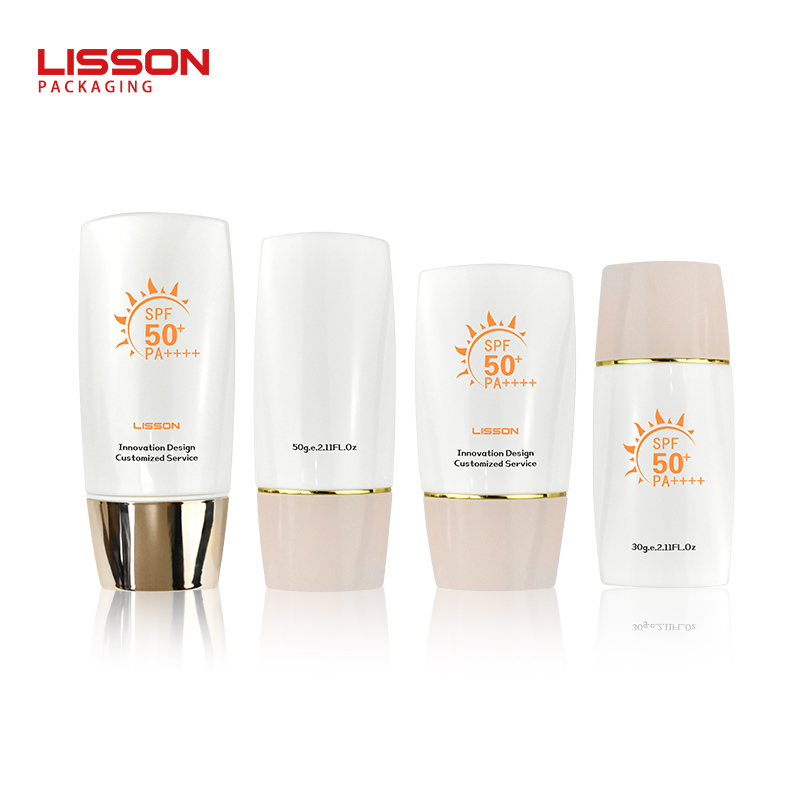
HDPE is the ideal material for sunscreen bottles. It earns that position on four counts: technical performance, application fit, regulatory compliance, and cost-effectiveness.
Sunscreen brands face a real packaging dilemma. Formulas carry UV filters and oils. These ingredients demand a contai...
Five criteria decide whether an HDPE sunscreen bottle serves your product well: resin grade, wall thickness, barrier properties, closure compatibility, and regulatory compliance. Each one shapes how the package performs on the shelf and in the customer's hand.
You will also face a central tra...
Vitamin C is widely used in skincare products such as brightening serums, antioxidant treatments, facial lotions, and daily moisturizers. However, packaging selection can be challenging because some vitamin C formulations are sensitive to oxygen, light, temperature, and repeated exposure during use...
Lightweight plastic bottles are becoming increasingly popular in cosmetic packaging because they offer a practical balance of durability, convenience, design flexibility, and transportation efficiency. From facial cleansers and moisturizers to shampoos, body lotions, and sunscreen, more beauty bran...
As sustainability becomes an increasingly important consideration in the beauty industry, cosmetic brands are rethinking how their products are packaged. Consumers are paying closer attention to packaging materials, recyclability, and the environmental impact of everyday skincare and personal care...
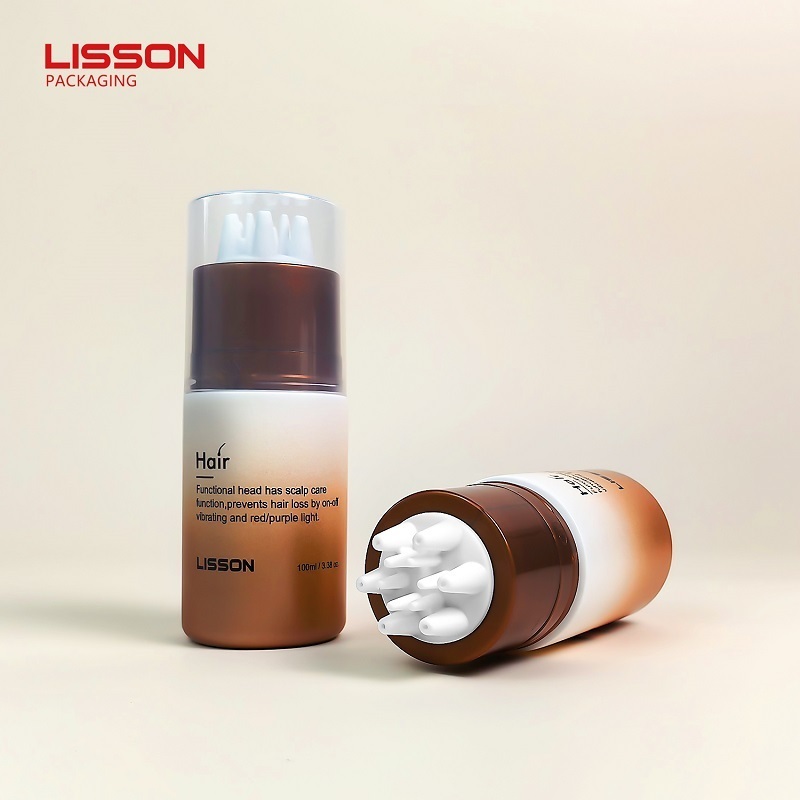
Choosing wholesale scalp care applicator bottles means matching material and applicator type to your formulation, confirming capacity and design fit, verifying compliance, planning customization, and vetting suppliers when you buy Wholesale & Bulk Plastic Bottles. You will evaluate each option...
No single material wins for every formula. The better choice between HDPE vs. PET depends on the sunscreen formulation, the UV filter system, and the target use case.
Five factors drive the decision: UV protection, chemical compatibility, durability, cost, and recyclability. A light-sensitive...
Premium cosmetic packaging is not defined by bottle shape alone. The way a plastic cosmetic bottle is colored, printed, and finished can significantly influence how customers perceive a beauty product. A standard plastic container can become an elegant skincare or personal care package through care...
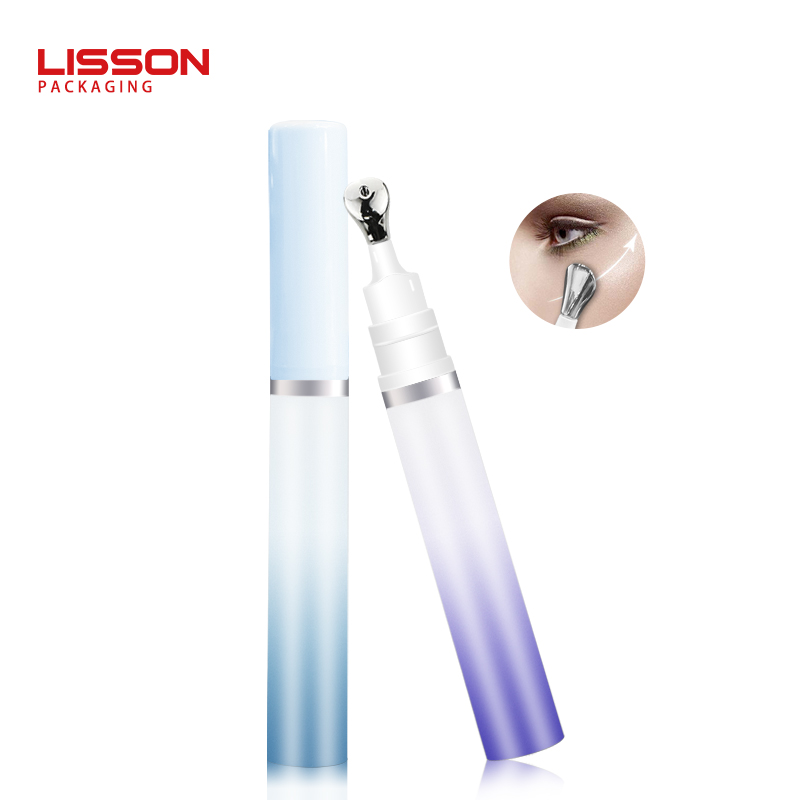
Choose an eye serum bottle by matching your formula's viscosity and sensitivity to the dispensing system, confirming precise dose control, and verifying wetted-part material safety and regulatory compliance. These three pillars—formula fit, applicator fit, and compliance and cost fit—gi...
Hand cream packaging tubes do two jobs at once. They shield a delicate formula from air, light, and contamination, and they carry your brand identity onto the shelf.
You face a practical question. How do tubes perform on product protection, application fit, regulatory compliance, and cost? Ea...
Cosmetic brands select shampoo and conditioner packaging by considering several factors together: product formula, bottle material, capacity, dispensing method, consumer experience, and brand positioning. The right packaging should protect the formula, make daily use convenient, and create a consis...
Your packaging choice shapes how customers judge your formula before they open the jar. That pressure makes finding the right partner hard. You need a supplier who delivers consistent quality, fair pricing, and a look that matches your brand. The lowest unit price rarely means the lowest total cost...