Packaging serves as the first tangible interaction between your cosmetic brand and the consumer. Recent data reveals that 72% of beauty consumers state that packaging design influences their purchase decision. This statistic highlights the critical role of your cosmetic packaging bottle. Countless o...
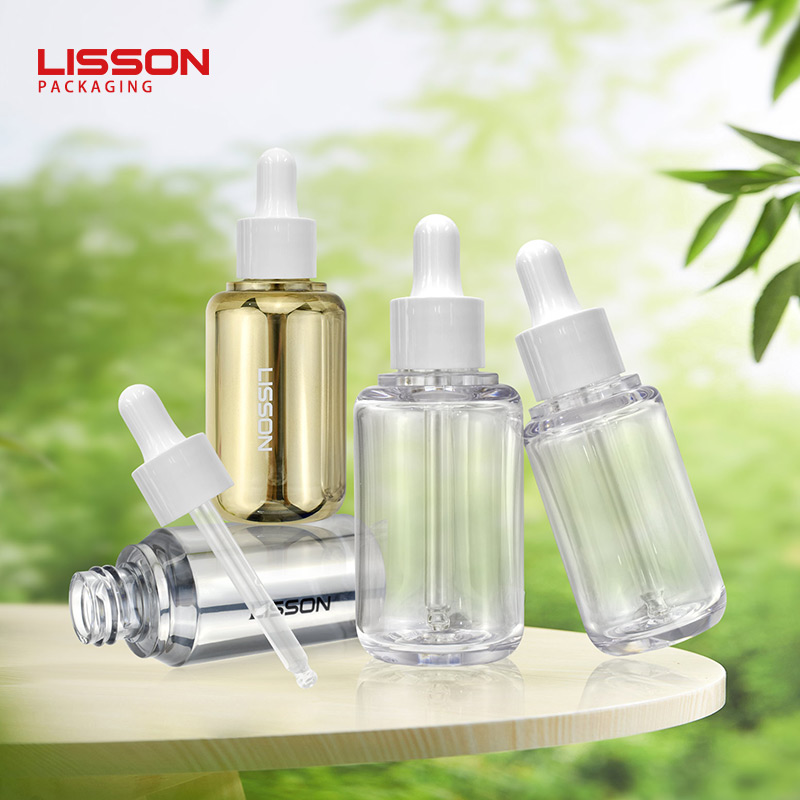
Formulating high-performance botanical facial oils, lipid serums, and cleansing oils represents one of the most lucrative segments in modern skincare. Yet, brands bringing lipophilic formulations to market face an operational dilemma: traditional heavy glass containers fracture in shipping, drive up...
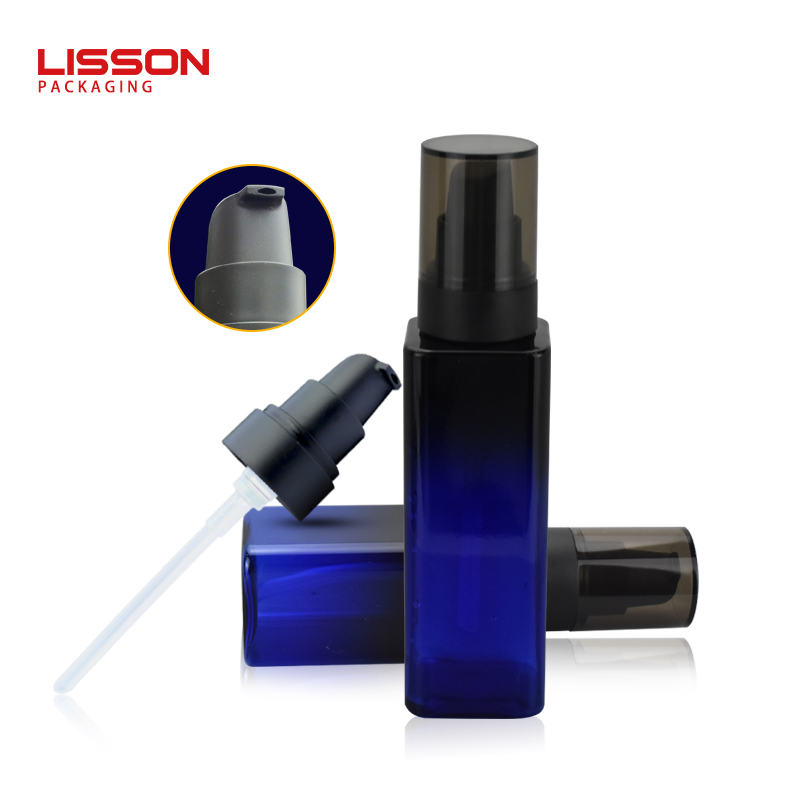
You know the frustration: a leaky shampoo bottle ruins your suitcase, while bulky round containers waste precious luggage space. Retailers face an equally tough challenge—creating packaging that commands attention yet functions flawlessly. The PET Square Pump Bottle solves both problems elega...
Every beauty brand faces a defining choice when launching a new skincare or cosmetic formulation: should you dispense it from a sleek bottle or scoop it from an elegant jar? This single decision impacts formula stability, consumer ritual, shelf aesthetics, and freight economics. Choosing incorrectly...
You hold two containers in your hands. One feels heavy and premium. Glass. The other feels light and practical. Plastic. You face a dilemma. Which one do you choose?
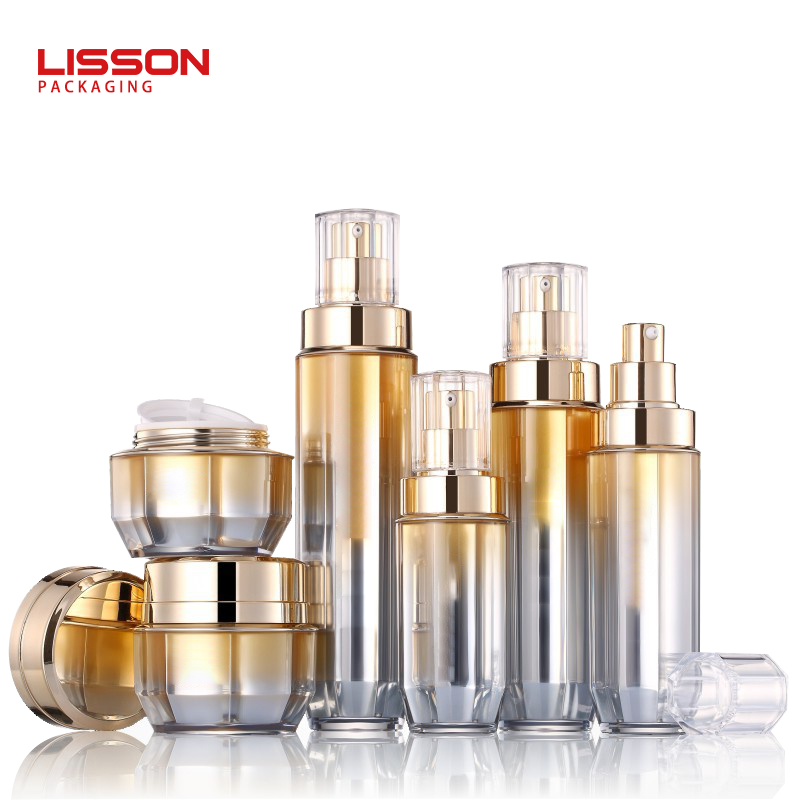
Acrylic cosmetic bottles offer the perfect solution. They combine the crystal-clear elegance of glass with the shatter-resistant durab...
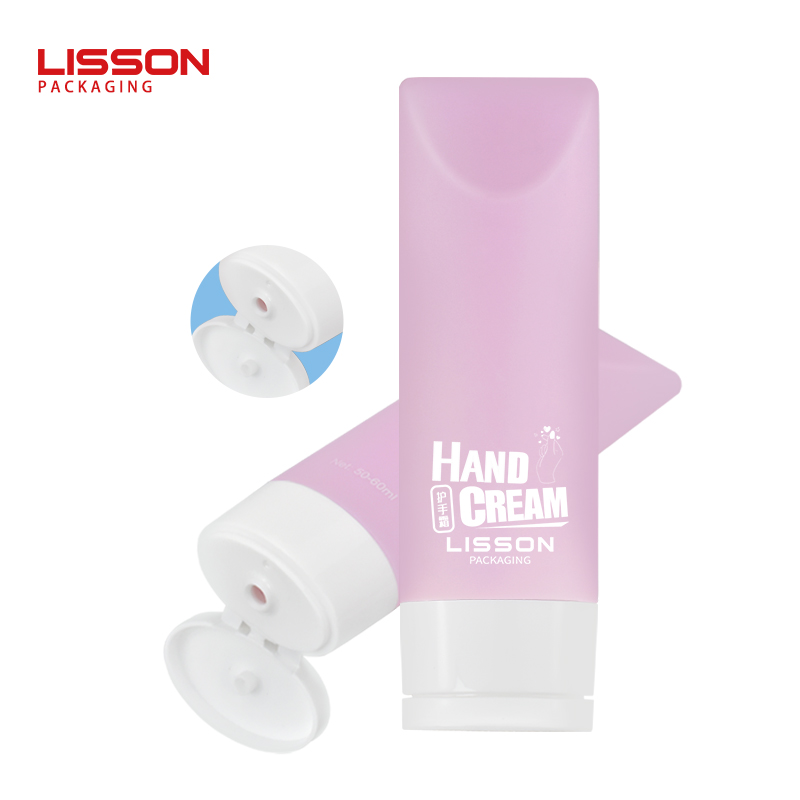
Choosing between HDPE and PET for your hand cream squeeze bottles? HDPE offers superior chemical resistance and durability, while PET delivers premium clarity and a lighter feel. You must evaluate durability, chemical compatibility, clarity, cost, recyclability, and brand image before deciding. Rea...
You've perfected your formula, but now you face a critical packaging decision: should you choose an acrylic or glass bottle? This choice impacts more than just looks. It affects your cost, user experience, and brand perception. Your packaging material selection shapes how customers view your product...
When engineering high-speed cosmetic manufacturing lines, packaging failure is the ultimate productivity bottleneck. Imagine an automated rotary filling machine operating at 120 units per minute: a slight variance in bottle neck perpendicularity, an unstable base causing conveyor tipping, or an unc...
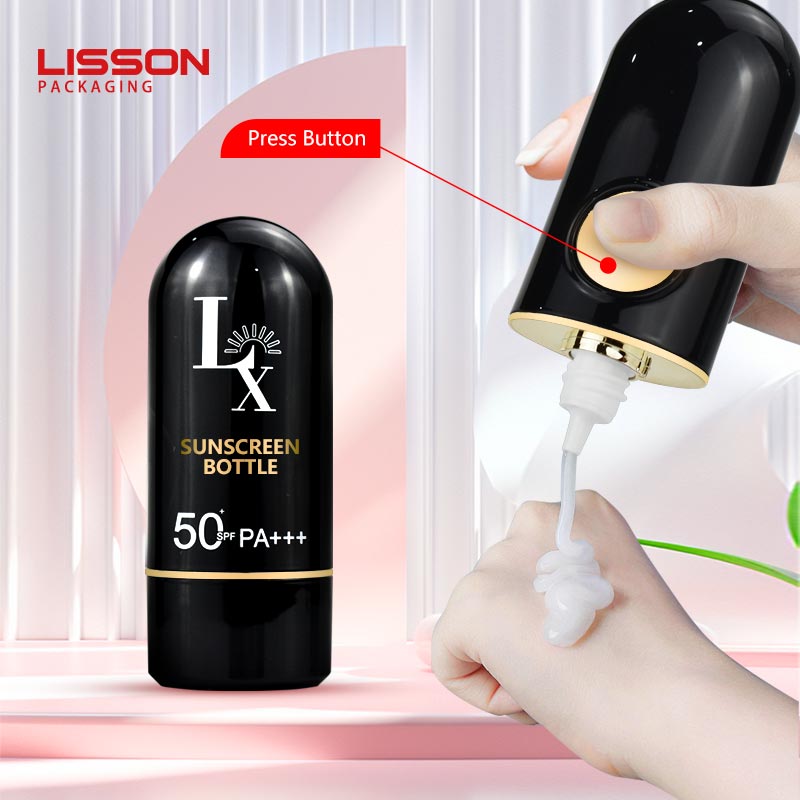
you're at the beach, hands slippery with sunscreen, wrestling with a bulky bottle that leaks or over-dispenses. Frustrating, right? You've likely dealt with messy caps, hard-to-grip surfaces, and wasted product. The LISSON 30ml Empty Black Color Press Squeeze PP Bottle Oval Sunscreen Bottle solves...
Polyethylene dominates cosmetic packaging for good reason. You need a material that keeps your product safe. PE delivers. It resists acids, bases, and solvents found in many cosmetic formulas.
Your packaging needs flexibility too. PE provides this. Whether you choose a squeezable tube or rigid bottl...
When you launch a thick night cream with a standard cosmetic bottle pump, the risk is real: three uses later, the pump clogs. Customers complain, returns pile up, and your brand takes a hit. The pump, dropper, or sprayer is the critical interface between your formula and the user. If it fails, the p...
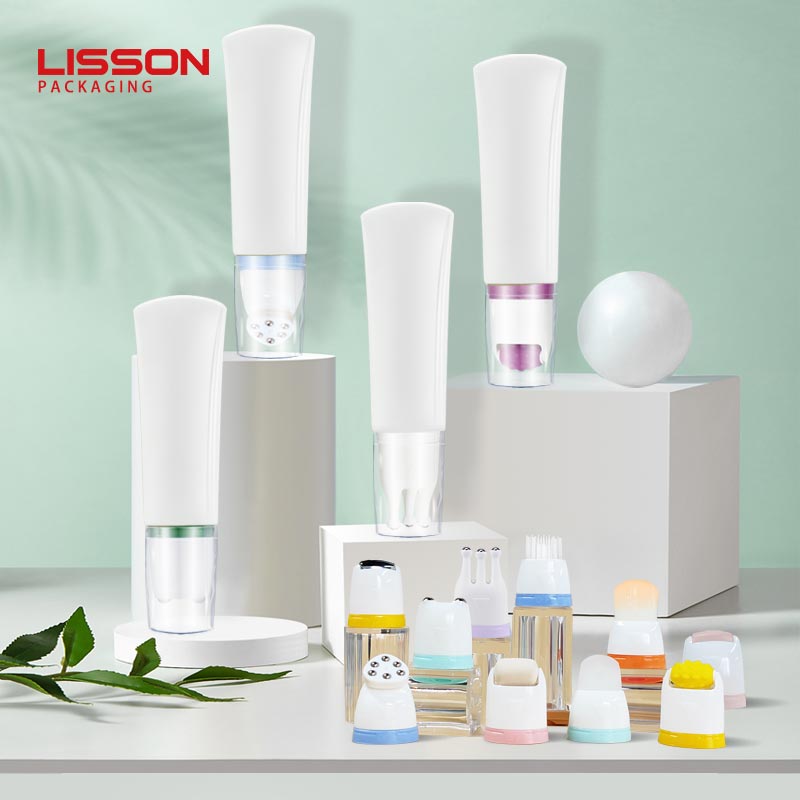
The under-eye area remains the most delicate skin on your face. Puffiness, dark circles, and fine lines often persist despite your best efforts with premium creams. What if the key to a more effective eye care routine isn't just the cream itself, but the tool you use to apply it? A ceramic applicat...