what are you looking for?

The right container matters for your formula. Customers touch and examine these bottles repeatedly before buying. They rely on the product daily. This makes your bottle a constant brand touchpoint. Research shows that physical items create stronger memory connections. One study reports that branded products can increase brand recall by up to 70%. Another reveals that businesses using such products experience 22% higher recall. You need a container that fits your formula, your customer, and your identity. How do you choose custom sunscreen bottles? This custom sunscreen guide covers bottle types, customization options, and selection criteria, with Lisson as a practical partner.
Custom sunscreen bottles boost brand recall and create lasting customer impressions.
Choose bottle type based on formula: squeeze for thick, spray for thin, pump for premium.
Customize colors, labels, and caps to stand out and reinforce your brand identity.
Sustainable materials like PCR plastic appeal to eco-conscious consumers and increase sales.
Select a manufacturer that offers samples, compliance support, and reliable quality control.
Packaging is a branding lever, not just a container decision. A sleek, user-focused design with eco-conscious materials helps your sunscreen rise above the competition. Vibrant colors, clear SPF labeling, simple pictograms, and waterproof printing create standout shelf presence. These elements act as a silent salesperson. They attract attention and suggest product quality before anyone reads a word.
A custom sunscreen bottle makes the most sense when your positioning depends on true differentiation. Think of a very specific finish or a tone-adaptive concept. You can also customize bottles with your company logo, a tagline, or an event name. This turns them into branded promotional items. A signature color palette, unique finishes, and easy-dispense caps distinguish your product from similar items. One hero signal, such as an unusual cap or a square silhouette, plus one supporting signal, is more memorable than ten decorative effects.
Clean, simple aesthetics convey reliability and premium status. High-quality, functional packaging signals effectiveness and influences consumer decisions. Minimalist, clinical designs suggest dermatological expertise. Pump dispensers communicate specialized care and a scientific image. Material choice shapes perceived safety, environmental impact, and luxury feel. Information clarity on SPF and ingredients supports informed judgment and trust.
Your bottle shape is your brand signature. A yellow bottle signals tropical warmth, while a blue sunscreen bottle positions the product around water and cool reliability. These visual shortcuts work well in sun care, where purchase context is outdoor and emotional. Brands switching to recyclable mono-material packaging see an increase in repeat purchase intent among consumers, as sustainable packaging resonates well and reinforces brand values. Sustainability is non-negotiable for modern consumers. Recyclable, biodegradable, or PCR plastic sunscreen bottles resonate well and reinforce brand values.
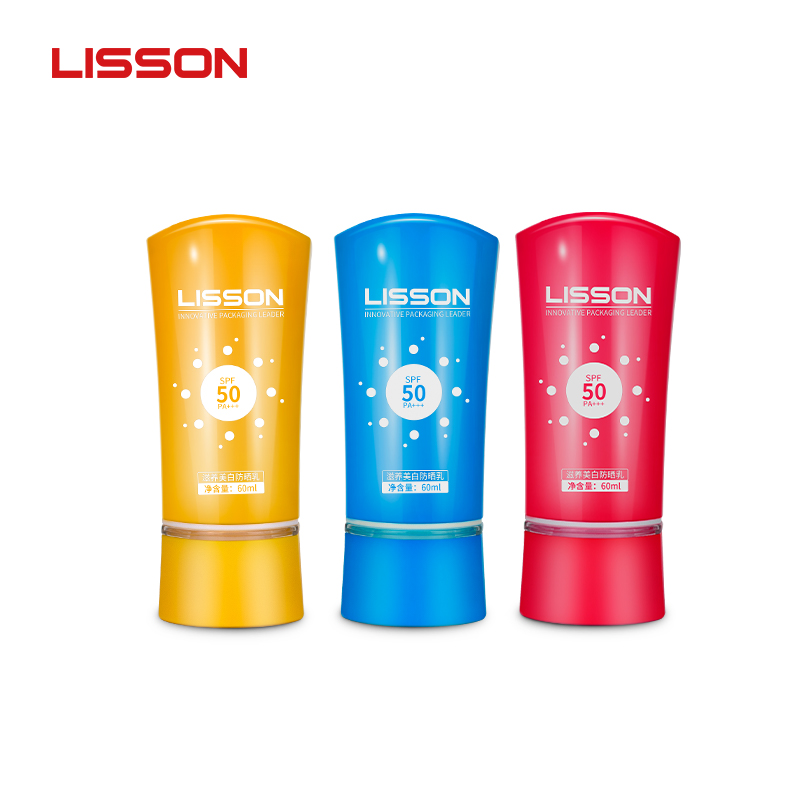
You face three main container families when you select custom sunscreen bottles. Each one suits a different formula and use case. A sunscreen squeeze bottle works best for thick, opaque mineral formulas. Zinc oxide and titanium dioxide pastes need a wide orifice to flow properly. Face SPF creams and lotions also fit this format when you want precise portion control. A sunscreen squeeze bottle gives the user direct control over squeeze force. That matters for non-greasy or invisible-finish claims. SPF lip balms in cream format use small tubes with narrow flip-top nozzles. After-sun treatments and SPF repair formulas also rely on this dermatologically positioned format.
A sunscreen spray bottle serves two distinct jobs. SPF setting sprays apply over makeup with fine mist pump sprayers. Body sunscreen sprays cover large skin areas fast. A sunscreen spray bottle for the body uses continuous spray mechanisms and reaches a wide spray angle. Sport, outdoor, and vacation lines favor this format. A sunscreen pump bottle dominates body sunscreen sales by weight. Lotion pumps give one-handed operation and controlled dosing. Airless pumps seal out air, extend shelf life, and prevent oxidation of UV filters. This premium sunscreen in pump bottle packaging suits SPF serums, essences, and tinted formulas with skincare actives.
Two container decisions matter most. Wall thickness controls how the bottle feels and whether it collapses. Orifice size must match your formula viscosity. A small orifice with a thick formula creates dispensing problems. Air entrapment can also separate your product.
|
Container Type |
Advantages |
Disadvantages |
|---|---|---|
|
Squeeze Bottle |
Good for thick, water-resistant and mineral sunscreens; portable and lightweight; user controls squeeze force |
Wall thickness must be optimized; orifice size must match formula; air entrapment can cause separation |
|
Spray Bottle |
Fast, even full-body coverage; fine mist nozzles deliver ultra-light atomization; popular for sport and vacation lines |
Performance depends on actuator and dip tube; viscosity must match pump output; accidental actuation is a common complaint |
|
Pump Bottle (Airless) |
Sealed system extends shelf life and prevents oxidation; hygienic, mess-free dosing; premium aesthetic |
Higher production cost; more complex filling process; may require precise chamber dimensions |
A sunscreen lotion bottle covers the largest retail range. Lotion pump formats are available in various sizes for body care. Face SPF pump formats are available in smaller volumes. Airless pump bottles are available in various sizes. A sunscreen lotion bottle in these sizes handles most daily-use formulas.
Specialized formats expand your options. Solid sunscreen sticks apply directly and need a solid product form, not just a package change. Roll-on bottles serve deodorant-style and targeted applications. Stick containers come in common retail sizes. A PP sunscreen stick works for balm-style packaging.
Size ranges depend on your channel. Promotional sunscreen containers typically come in travel-friendly sizes. Retail containers range from small to large family sizes. Standard retail sizes are available in a variety of common volumes. You can also order custom colored pump heads, oval or curved bottle silhouettes, and private label sunscreen bottles. These plastic sunscreen bottles and sunscreen squeeze bottles give you a full canvas for your brand.
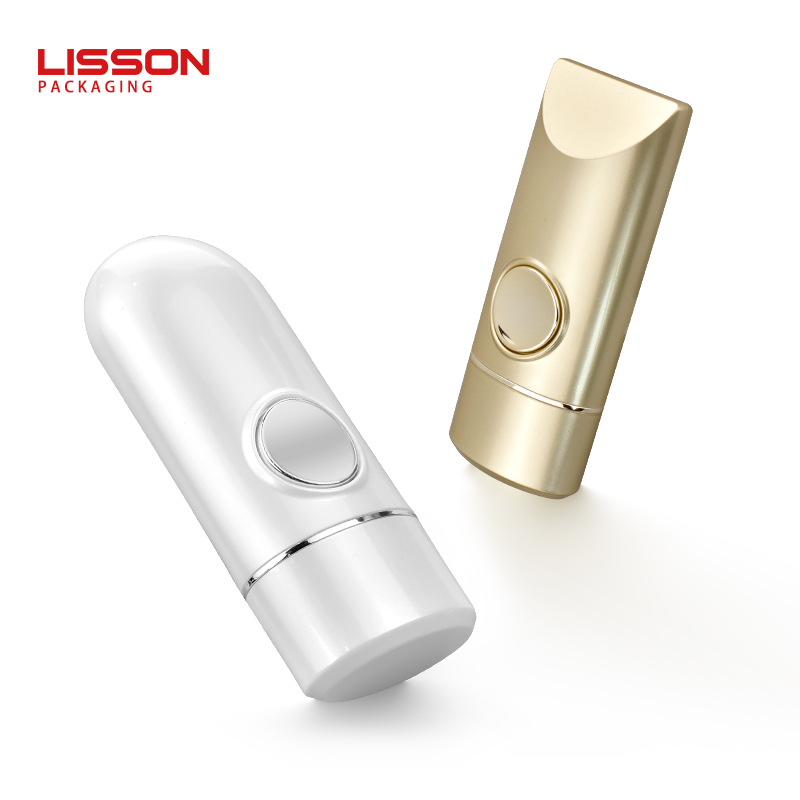
Color is your fastest branding tool. Custom Pantone-matched colors boost shelf visibility and brand recall. Color-led packaging design has been shown to significantly increase brand recall across tested cosmetics. Specific hues also serve as visual cues. Coral may suggest reef-safe formulas, while icy blue indicates cooling sprays. This helps shoppers decide without reading label text.
You have several decoration techniques for custom sunscreen bottles. Foil stamping adds metallic shine for a luxury feel. UV printing delivers full-color graphics with no minimum order. Silk screen printing works well for text-heavy designs. Embossing raises the surface for a premium tactile effect. A custom design looks best when printed on a label that wraps around the bottle. Add your company logo, a tagline, or an event name to turn plastic sunscreen bottles into branded promotional items. Custom closures matter too. You can order pump heads in custom colors, metalized caps, or bamboo caps. Secondary packaging, such as printed outer cartons, completes the branded experience.
Material choice affects durability and effectiveness. PET offers glass-like clarity and excellent chemical resistance. PP handles thicker lotions and creams with high durability. HDPE provides superior UV-light protection for opaque bottles. Five-layer plastic prevents oxidation and extends shelf life. PCR plastics reduce carbon footprint while maintaining barrier performance. Mono-material design makes the entire package fully recyclable. Refillable systems use durable outer bottles with replaceable inner pouches.
Consumer demand supports these choices. A significant portion of consumers prioritize sustainable packaging when purchasing, and many are willing to pay more for it. Eco-friendly sunscreen packaging is now a revenue argument, not charity. Lisson's customization capabilities cover these material options. The company also supports bespoke moulded packaging for unique shapes. You can pair sustainable materials with custom sunscreen lotion bottles that match your formula and your values.
Your formula dictates your container. Mineral sunscreens have a thicker consistency. They may need tubes with larger dispensing openings or materials that handle a substantial texture. Formulas with specific active ingredients may require special barrier properties to prevent interaction or degradation over time. The dispensing mechanism must match your formula's texture. Pumps suit creamy, thick products and allow precise, controlled dispensing. Sprays suit liquids and deliver a fine mist for lightweight cosmetic formulas. Viscosity determines tubing diameter, spring tension, and nozzle design. Thicker lotions require pumps with wider orifices. Lightweight, watery formulas can use fine mist sprayers.
|
Formula Type |
Viscosity |
Recommended Dispenser |
Typical Volume |
|---|---|---|---|
|
Thick lotion sunscreen |
High (thick/creamy) |
Pump with wider orifice |
100–300 ml |
|
Sprayable liquid sunscreen |
Low (watery/lightweight) |
Fine mist sprayer or flip-top |
100–300 ml |
Airless pumps prevent air exposure, preserving active ingredients and ensuring even product dispensing. Some packaging includes UV-resistant coatings or tinted materials to protect formulas from degradation. For high-end SPF brands, stringent quality control standards ensure packaging maintains integrity under UV exposure.
Capacity affects usability. Smaller bottles meet international carry-on regulations and suit facial sun care. Medium bottles offer ergonomic grip for daily use. Larger bottles provide ample filling capacity for family-sized and body treatments. For B2B buyers, the right choice depends on SPF level, container style, imprint space, event setting, and compliance expectations.
Your budget and order volume shape your sourcing options. Suppliers offer different MOQ tiers. Stock/white-label options start at 250–1,000 units for startups. Semi-custom options range from 1,000–3,000 units for brands wanting light tweaks. Full custom MOQs start at 1,000–5,000+ units for unique formulas. Pilot/sample runs from 200–500 units are available for testing. At lower volumes the per-unit price is higher, but it drops with larger reorders. First-order totals, including testing and setup, can vary widely.
|
Order Type |
Typical MOQ Range |
Best For |
|---|---|---|
|
Stock / White-label |
250–1,000 units |
First-time launches |
|
Semi-custom |
1,000–3,000 units |
Brands wanting light tweaks |
|
Full custom |
1,000–5,000+ units |
Unique formulas |
|
Pilot / sample runs |
200–500 units |
Testing only |
Compliance is non-negotiable. OTC sunscreen labeling must include a Drug Facts panel with active ingredients, inactive ingredients, SPF value, directions for use, and warnings. The manufacturing facility must be registered with the FDA as an OTC drug manufacturer. Labeling laws vary by state and country. Failure to adapt labels can limit market access. Conduct regular compliance audits to stay ahead of evolving packaging laws. Consult legal and regulatory experts to ensure labels meet FDA, USDA, and FTC standards. Your sunscreen container manufacturer should provide regulatory support before production begins.
Your distribution method determines the right packaging choice. Small, portable formats work best for handouts at events. They fit easily into registration bags and travel kits. Larger promotional sunscreen packaging offers more branding space. It suits retail environments better than outdoor giveaways where attendees carry items.
The distribution environment shapes your decision. Outdoor events like races, golf outings, and company picnics call for portable sunscreen sizes. Attendees expect sun protection they can carry during outdoor activities. For these settings, sunscreen in portable sizes works well at registration stations or activity areas. Indoor settings give you more flexibility with sunscreen lotion bottles and other lotion formats. Your choice between sunscreen and lotion directly affects the overall packaging decision.
Different scenarios require different strategies. For branded sunscreen products at corporate events, choose small plastic sunscreen bottles with your company logo. For retail promotions, use sunscreen squeeze bottles with custom colors for stronger shelf impact. Promotional sunscreen in bulk lets you order enough units for large campaigns across multiple events. A sunscreen packaging factory like Lisson can produce these formats at the volumes you need.
Follow a clear process to source from a custom sunscreen bottle manufacturer from concept to delivery. Each step ensures your packaging meets quality, regulatory, and branding requirements.
Concept and Briefing – Define your audience, product function, texture, and price point. The manufacturer translates this vision into actionable development plans. Include your design requirements and brand identity goals.
Formulation Development – R&D teams create sunscreen formulas. They test ingredient compatibility, texture, pH balance, and efficacy. This step ensures the formula meets your standards.
Packaging Design and Selection – Choose sunscreen packaging for aesthetics and performance. Options include plastic sunscreen bottles, tubes, glass bottles, and airless pumps. Add decoration like hot stamping, silkscreen printing, and gradient sprays. The sunscreen container choice directly affects formula stability and user experience.
Compatibility and Stability Testing – Stress tests under varying temperature and humidity ensure your packaging and formula remain stable over shelf life. This step prevents product degradation.
Filling and Assembly – Products are filled, capped, labeled, and sealed in cleanroom facilities. Precision machinery ensures hygiene and dosing accuracy.
Quality Assurance – Every batch undergoes checks for appearance, scent, viscosity, and packaging integrity. Look for ISO or FDA registration in a sunscreen packaging factory.
Logistics and Delivery – The supplier handles packing, palletizing, warehousing, and global shipping. You receive market-ready products.
When you evaluate a sunscreen container manufacturer, request samples to test compatibility before formal cooperation. Look beyond price alone. A reliable supplier balances competitive pricing, consistent quality, dependable service, and effective communication. Evaluate long-term value rather than immediate cost.
|
Vetting Dimension |
What to Look For |
|---|---|
|
Sample Request |
Free stock samples to test product-packaging compatibility |
|
Production Capabilities |
Automatic spraying lines, labeling machines, screen printing, pad printing, hot stamping, assembly lines |
|
Engineer Expertise |
Experienced engineers with substantial packaging industry knowledge |
A capable partner like Lisson supports you from concept to delivery with professional guidance and quality control. This partnership ensures your custom sunscreen reaches the market successfully.
Choosing the right container for your brand is a strategic branding decision, not a cosmetic one. Your bottle type, customization options, and sourcing partner form your three-part decision checklist. Each directly impacts how customers perceive your products. Make deliberate choices that align with your formula and identity. Lisson offers the expertise you need for your custom sunscreen project.
Start your packaging project today. Explore Lisson's custom sunscreen bottles solutions to bring your vision to market. A reliable manufacturer handles formulation, packaging, and compliance. This approach lets you focus on brand growth. Trust a partner with proven expertise in packaging solutions.
Match the size to your sales channel. Promotional containers come in travel-friendly sizes. Retail containers range from small to large family sizes. A small bottle fits carry-on rules for facial care. A larger bottle suits family-sized body treatments.
Thick mineral formulas need a wide orifice. Choose a sunscreen squeeze bottle for zinc oxide and titanium dioxide pastes. These tubes give you direct control over squeeze force. Thin, watery sprays need fine mist nozzles instead. Always match orifice size to your formula's viscosity.
Yes. You can add your logo, tagline, or event name through foil stamping, UV printing, or silk screen printing. A wrap-around label shows your custom design best. Custom colored pump heads, metalized caps, and bamboo caps complete the look. These details turn plain bottles into branded promotional items.
PET, PP, and HDPE all offer recyclable options. PCR plastics cut carbon footprint while keeping barrier performance. Mono-material designs make the whole package recyclable. Refillable systems pair a durable outer bottle with replaceable inner pouches. A significant portion of consumers prioritize sustainable packaging, so this choice supports both values and sales.
Request free samples to test product-packaging compatibility first. Confirm the factory holds ISO or FDA registration. Check MOQs, pricing tiers, and decoration capabilities. A reliable partner like Lisson guides you from concept to delivery. Look for long-term value, not just the lowest price.