what are you looking for?

Plastic cosmetic bottles are widely used in shampoo and hair care products because they offer a practical balance of durability, lightweight construction, design flexibility, and convenient dispensing. From everyday shampoos and conditioners to salon treatments and scalp care products, plastic packaging can be adapted to different formulas, bottle sizes, and brand requirements.
For hair care brands, choosing the right packaging involves more than selecting an attractive bottle. The material must be compatible with the formula, the closure must help prevent leakage, and the bottle should be easy for consumers to handle during daily use. As a cosmetic packaging manufacturer, LISSON Packaging provides plastic bottle solutions for personal care, hair care, and other cosmetic applications.
So, why are plastic cosmetic bottles so common in the shampoo and hair care industry? The answer comes down to their material properties, manufacturing flexibility, dispensing options, and suitability for different market needs.
Shampoo and conditioner bottles are used frequently, often in wet bathroom environments where containers may be dropped, squeezed, or handled with slippery hands. Plastic packaging is well suited to these everyday conditions because it can combine a lightweight structure with useful impact resistance.
Compared with glass packaging, plastic bottles are generally easier to carry and less likely to shatter if accidentally dropped. This makes them a practical option for family-size shampoo bottles, travel products, salon supplies, and everyday personal care items.
Plastic also gives brands more freedom when developing bottle shapes, colors, surface finishes, and dispensing systems. A brand can choose a simple squeeze bottle for an affordable shampoo line or a more distinctive pump bottle for a premium conditioner collection.
For example, the following pump bottle design illustrates how plastic packaging can combine a clean appearance with convenient dispensing for hair care and personal care products.

For manufacturers and buyers looking for different packaging formats, plastic cosmetic bottles offer a flexible starting point for comparing materials, capacities, and designs.
Convenience is one of the main reasons plastic bottles remain widely used for shampoo and conditioner. Consumers may need to dispense the product with one hand while keeping the other hand free. The bottle shape, opening, and closure therefore have a direct impact on the user experience.
A well-designed bottle should be comfortable to grip, stable when placed on a bathroom shelf, and easy to open or dispense. Flexible plastic bottles can be useful for products that need to be squeezed out, while more rigid bottles can provide a structured appearance for retail packaging.
Closure selection is equally important. Flip-top caps can offer quick access, screw caps provide a straightforward closing mechanism, and pump dispensers allow users to release shampoo or conditioner without repeatedly opening the bottle.
For products that require controlled dispensing, brands can explore plastic lotion pump bottles to compare packaging formats for different personal care applications. The pump output should be selected according to the formula's viscosity and the amount of product consumers need per use.
Not all plastic materials perform in the same way. PET, PETG, PE, HDPE, and PP each offer different characteristics, so the right choice depends on the formula, packaging design, dispensing requirements, and target market.
PET bottles: PET is often selected when brands want a rigid, lightweight bottle with a clear and polished appearance. Its transparency can help display the color and texture of a shampoo or conditioner, making it useful for products where visual presentation matters.
PETG bottles: PETG is another option for brands seeking a smooth finish and an attractive, premium appearance. Depending on the bottle design and formulation, PETG packaging can be considered for shampoo, conditioner, and other personal care products.
PE and HDPE bottles: Polyethylene materials are widely used in personal care packaging. Depending on the grade and bottle construction, they can provide a durable structure or a squeezable feel. HDPE is commonly considered for everyday shampoo, body wash, and conditioner packaging.
PP components: Polypropylene is frequently used for caps, closures, and pump components. Its suitability depends on the specific formulation and the design of the dispensing system.
There is no single material that works best for every hair care formula. Brands should evaluate chemical compatibility, stress cracking, leakage, and long-term storage performance before confirming a packaging choice.
When comparing materials, buyers should consider both the bottle body and the closure system. A bottle may be compatible with a formula while a gasket, pump component, or other packaging part may require additional testing.
Shampoo and hair care products vary considerably in viscosity and intended use. A lightweight daily shampoo may flow easily, while a thick conditioner or intensive hair mask may require a wider opening or a different dispensing mechanism.
The packaging should match the formula rather than forcing every product into the same bottle design. A narrow opening may work well for a fluid product, whereas a thicker conditioner may need a dispensing system that allows the formula to flow without excessive effort.
Brands should also consider whether the formula contains oils, surfactants, fragrances, solvents, or other ingredients that could interact with the bottle material, liner, spring, gasket, or pump components. Compatibility testing helps identify potential problems before mass production.
For products that need a pump-based dispensing system, 300ml and 350ml pump bottles for shampoo provide an example of packaging designed for hair care and other personal care applications.
Before choosing a bottle, buyers should test whether the product can be dispensed smoothly at different stages of use. This is particularly important for thicker conditioners and treatments, which may require a different pump output or bottle opening from a low-viscosity shampoo.
Material selection is only one part of successful hair care packaging. Bottle shape and dispensing design also influence how consumers use the product and how easily the packaging fits into a brand's product range.
Tall, narrow bottles can create a clean appearance on retail shelves, while rounded or oval designs may offer a comfortable grip. Square bottles can help establish a distinctive visual identity, although the shape should still be practical for handling, filling, labeling, and transportation.
For shampoo and conditioner products, pump dispensers are particularly useful when consumers want convenient access to the formula. The pump should be matched to the product's viscosity and the desired dosage. If the pump dispenses too little product, users may need repeated presses. If the output is excessive, product waste can increase.
Brands should evaluate the complete packaging system, including the bottle, cap or pump, neck finish, dip tube where applicable, and sealing structure. These components need to work together to provide reliable dispensing and help reduce leakage during storage and shipping.
Packaging should also be tested in the intended position and under realistic transportation conditions. A closure that works well during initial use may still require further evaluation if the product will be shipped over long distances or stored in different temperature conditions.
In a competitive hair care market, packaging helps consumers recognize a product and understand its positioning. A consistent bottle shape, carefully selected color, and clear logo placement can make a product line look more professional and easier to identify.
Plastic packaging offers a broad range of customization options. Depending on the material and product design, manufacturers may provide custom colors, different surface finishes, silk-screen printing, hot stamping, and labeling.
For example, a salon-focused brand may prefer a larger pump bottle with a clean, professional appearance. A natural hair care range may use softer colors and a simple bottle shape, while a premium treatment line may prioritize distinctive contours and refined surface finishes.
Customization should also account for production requirements. Bottle dimensions, wall thickness, label placement, filling-line compatibility, and closure specifications should be reviewed before the final design is approved.
For specialized scalp care products, packaging can also incorporate functional features that help consumers apply the formula more precisely. The following example shows a plastic hair care bottle with a comb applicator, a design that may be suitable for targeted scalp treatments depending on the formula and application requirements.
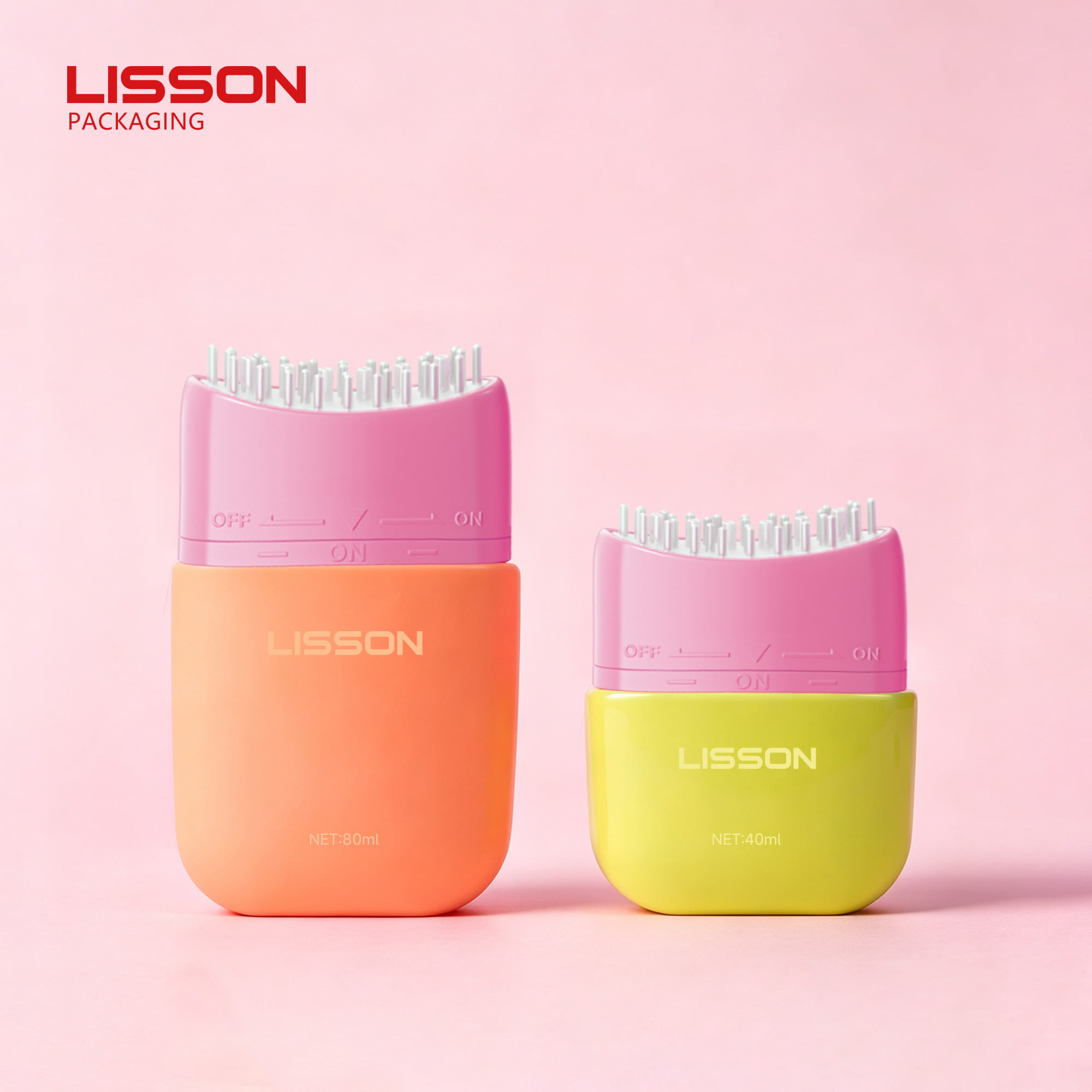
Brands developing distinctive hair and scalp treatment packaging can explore custom hair care plastic bottles with comb applicators. This type of packaging is designed for targeted scalp care and hair treatment applications rather than conventional shampoo dispensing.
For brands, distributors, and private-label manufacturers, choosing a suitable bottle requires more than comparing unit prices. Packaging performance can affect filling efficiency, transportation, product quality, and the consumer experience.
Before placing a bulk order, buyers should confirm the following points:
Requesting samples before mass production is particularly important. A sample allows the brand to test filling, dispensing, closure fit, appearance, and compatibility with the actual formula. For products intended for international distribution, transportation and packaging tests should also reflect the expected shipping conditions.
Buyers should also clarify the expected order quantity and customization requirements early in the process. These details can affect the choice of existing bottle designs, the need for new tooling, production scheduling, and the overall packaging budget.
Sustainability is becoming an important consideration in cosmetic packaging. Plastic bottles are lightweight and can be designed for efficient transportation, but their overall environmental impact depends on the material, amount of plastic used, manufacturing process, reuse potential, and local recycling infrastructure.
Some brands explore recycled plastic content, refillable packaging systems, or bottle designs that use less material. These approaches may help reduce virgin plastic consumption when the packaging is appropriately designed and supported by suitable collection and recycling systems.
However, recyclability should not be assumed for every bottle. The material combination, colorants, labels, pumps, and other components can influence whether a package is accepted by local recycling programs. Brands should check the requirements of their target markets before making environmental claims.
For hair care companies considering alternative packaging materials or refill concepts, the best approach is to assess product protection, consumer convenience, manufacturing feasibility, and end-of-life options together rather than focusing on one feature alone.
Working with an experienced packaging manufacturer can make the product development process more manageable. Material selection, bottle design, closure matching, decoration, and production planning all influence the final result.
LISSON Packaging offers plastic cosmetic packaging options for beauty, personal care, and hair care applications. By reviewing the formula, required capacity, dispensing method, visual preferences, and order volume, brands can narrow down suitable packaging solutions before moving into sample evaluation and bulk production.
For businesses developing a new shampoo or conditioner line, it is useful to prepare a clear packaging brief that includes the product type, formula characteristics, target capacity, preferred material, closure style, customization needs, and estimated order quantity.
Buyers should also request information about sample availability, production lead times, quality control procedures, and the manufacturer's available customization options. Clear communication at this stage can help avoid unnecessary changes after production begins.
Explore the LISSON cosmetic packaging product range to review available bottle and container options for your next hair care project.
Why are plastic bottles commonly used for shampoo?
Plastic bottles are lightweight, practical for everyday handling, and available in a wide range of shapes, capacities, and dispensing designs. They can be adapted to different shampoo formulas and brand requirements, provided the selected material is compatible with the product.
Which plastic is best for shampoo bottles?
PET, PETG, PE, and HDPE are all potential options, depending on the required appearance, flexibility, durability, formula compatibility, and packaging design. The best choice should be confirmed through material evaluation and product compatibility testing.
Are plastic bottles suitable for conditioner?
Yes. Plastic bottles are widely used for conditioner and other hair care products. For thicker formulas, buyers should pay particular attention to the bottle opening, squeeze performance, or pump output to ensure convenient dispensing.
Can plastic shampoo bottles be customized?
Many plastic bottle designs can be customized with different colors, shapes, surface finishes, and logo decoration methods. The available options depend on the bottle material, mold design, production process, and order quantity.
What should I test before ordering shampoo bottles in bulk?
Buyers should check formula compatibility, closure fit, leakage resistance, dispensing performance, appearance, and filling-line suitability. Testing samples with the actual formula before mass production can help identify potential issues early.
Plastic cosmetic bottles remain a practical choice for shampoo and hair care products because they combine useful material properties with flexible design and dispensing options. However, the right packaging solution depends on the specific formula, product capacity, target customer, and manufacturing requirements.
By evaluating material compatibility, closure performance, bottle design, customization options, and sample quality before production, brands can make more informed packaging decisions. Whether you are developing an everyday shampoo, a salon conditioner, or a specialized scalp treatment, choosing a suitable bottle can support a more reliable product experience.
To discuss plastic bottle options for your hair care products, visit LISSON Packaging and explore packaging solutions for your brand.