what are you looking for?

Plastic cosmetic bottles need to do more than hold a skincare or personal care formula. They also need to work with the filling equipment, dispensing system, production speed, product viscosity, and packaging process used by the brand or contract manufacturer.
For this reason, selecting a cosmetic bottle should not start with appearance alone. Bottle material, capacity, neck finish, opening size, wall structure, pump or cap, and overall bottle geometry can all affect filling efficiency and production performance.
Lisson Packaging provides customized plastic cosmetic packaging for skincare, personal care, hair care, sunscreen, lotion, cleanser, serum, and other beauty products. Its product range includes PE, PP, PET, and PETG bottles, as well as pump and airless packaging solutions.
The right packaging solution is therefore the one that matches the actual formula, filling process, production volume, and dispensing requirements.
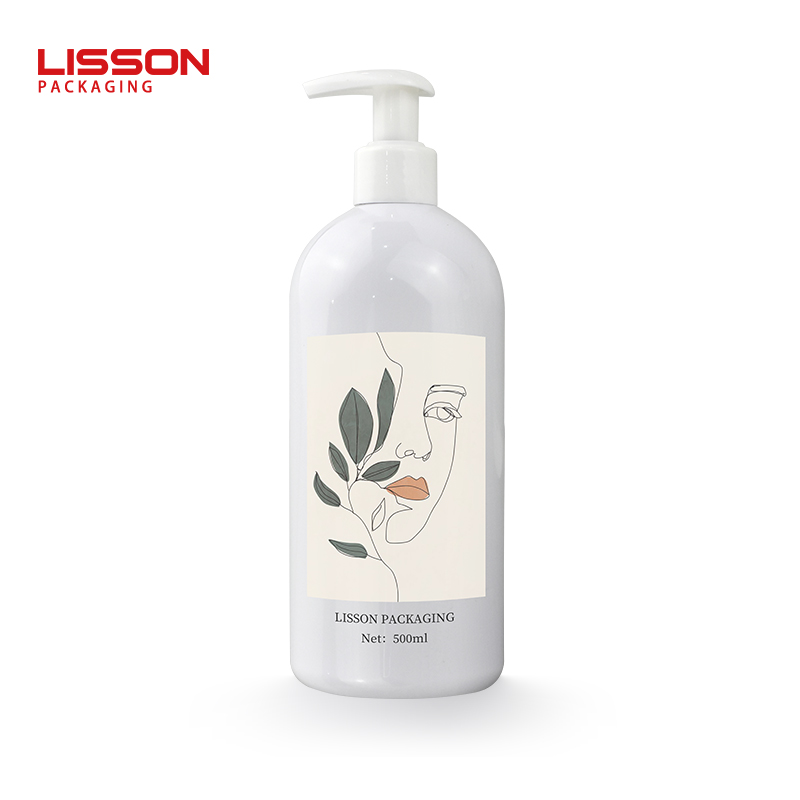
A bottle may look suitable for a cosmetic product but still create problems during filling if its structure is not compatible with the production line. Automated filling equipment generally requires containers with consistent dimensions, stable bases, suitable neck finishes, and enough structural strength for conveyor handling.
The filling process also changes according to the formula. A thin toner, liquid serum, lotion, and thick cream do not necessarily require the same bottle opening or dispensing system.
For high-volume production, these details become even more important. A small dimensional difference that may not matter during manual filling can become a production issue when thousands of bottles move through an automated filling, capping, and labeling line.
This is why the bottle should be evaluated as part of the complete filling and packaging process rather than as an independent container.
Plastic material affects bottle rigidity, flexibility, appearance, chemical resistance, weight, and processing characteristics. Lisson offers different plastic cosmetic bottle solutions for different skincare, cosmetic, and personal care applications.
PE can be considered when flexibility and durability are important. PP provides a relatively rigid structure and is widely used for cosmetic packaging components and bottles. PET and PETG are useful when brands want a more structured appearance, with PETG also suitable for premium cosmetic bottle designs.
The appropriate material should be selected according to the formula, filling conditions, storage environment, appearance requirements, and production process. Material selection should therefore happen before finalizing the bottle design.
Yes. Plastic cosmetic bottles can be designed for automated filling and high-volume production. However, the bottle structure needs to be suitable for the specific production line.
Bottle height, diameter, base stability, center of gravity, neck dimensions, wall thickness, and dimensional consistency can all influence how containers move through conveyors and filling equipment.
Lisson's custom cosmetic bottle manufacturing service includes structural engineering, mold development, sample production, compatibility testing, and mass production. This allows bottle design to be considered together with the intended production process.
For a brand planning large production volumes, discussing the filling equipment and production requirements with the packaging manufacturer before mold development can help reduce later modifications.
Bottle capacity affects more than the amount of formula inside the package. It also influences the overall bottle dimensions, filling accuracy, label area, transportation efficiency, and final product appearance.
Small formats such as 15ml, 30ml, and 50ml are often considered for serums, eye care products, sunscreen, and concentrated skincare products. Larger bottles are commonly used for body lotion, shampoo, conditioner, cleanser, and other personal care products.
Lisson's PET and PETG cosmetic bottles include different bottle sizes and structures for beauty care, cosmetics, personal care, and hair care applications.
When developing new packaging, brands should first confirm the actual filling volume and formula requirements. The bottle capacity and dimensions can then be selected according to the product rather than choosing a size only from a visual reference.
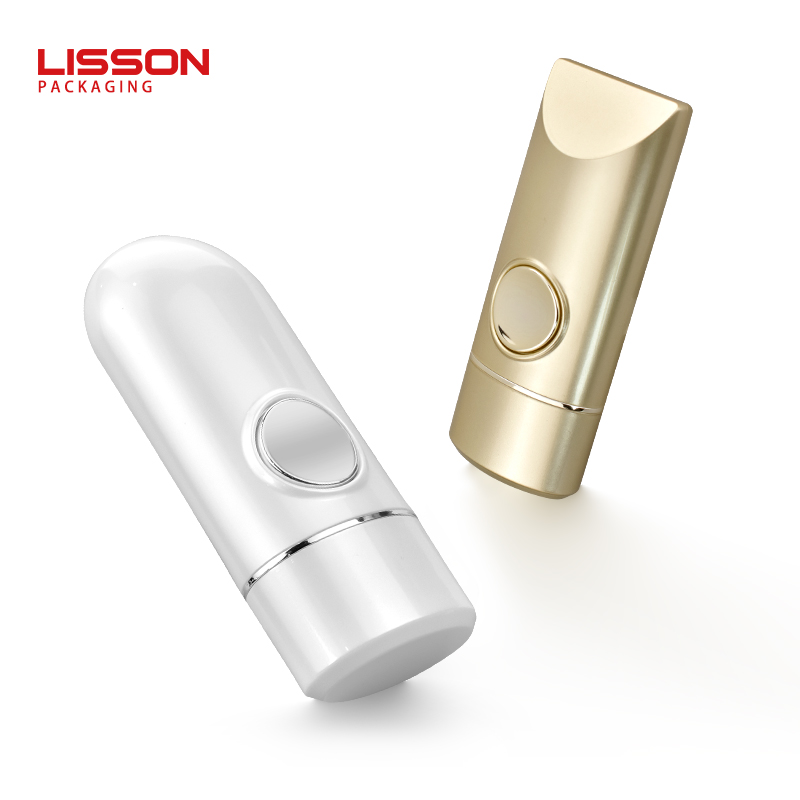
Formula viscosity is an important consideration when selecting cosmetic packaging. A watery toner, liquid serum, lotion, and thick cream may require different openings and dispensing systems even when the filling volume is similar.
Low-viscosity products may work with spray systems, droppers, or other controlled dispensing components. Thicker products may require larger openings, lotion pumps, squeeze structures, or other dispensing systems that allow the formula to move smoothly through the package.
Lisson's cosmetic pump bottle range includes lotion pump and mist spray formats for cosmetics, beauty care, and personal care applications.
Before mass production, the actual formula should be tested with the selected bottle and dispensing component. Pump output, priming, leakage, dispensing consistency, and product recovery can all be evaluated during compatibility testing.
Some cosmetic formulations require controlled dispensing and reduced exposure to ambient air. In these situations, an airless packaging system can be considered instead of a conventional bottle using a dip tube.
Lisson's 30ml and 50ml plastic airless bottles are designed for applications such as sunscreen and hand cream. The product is available in PET, PP, and PE material options.
Airless packaging uses a vacuum dispensing structure to move the formula toward the pump as the product is dispensed. This can be useful when controlled dispensing and reduced air exposure are important considerations.
However, an airless bottle should still be tested with the actual formula before mass production. Packaging performance depends on the complete combination of bottle, pump system, formula, and filling process.
The bottle itself is only one part of a cosmetic packaging system. The closure and dispensing component also need to match the product, filling process, and user application.
Common options include screw caps, flip-top caps, lotion pumps, mist sprayers, droppers, and applicators. Each system has different dimensional and functional requirements.
For targeted application products, brands can also consider cosmetic bottles with applicators. These formats can be used for eye care, hair care, skincare, and other products where the packaging needs to help direct the formula to a specific area.
From a production perspective, the bottle neck, closure, pump, liner, and applicator should be treated as one packaging system. A bottle may perform well on its own but still require adjustment if the closure or dispensing component is not compatible with the formula.
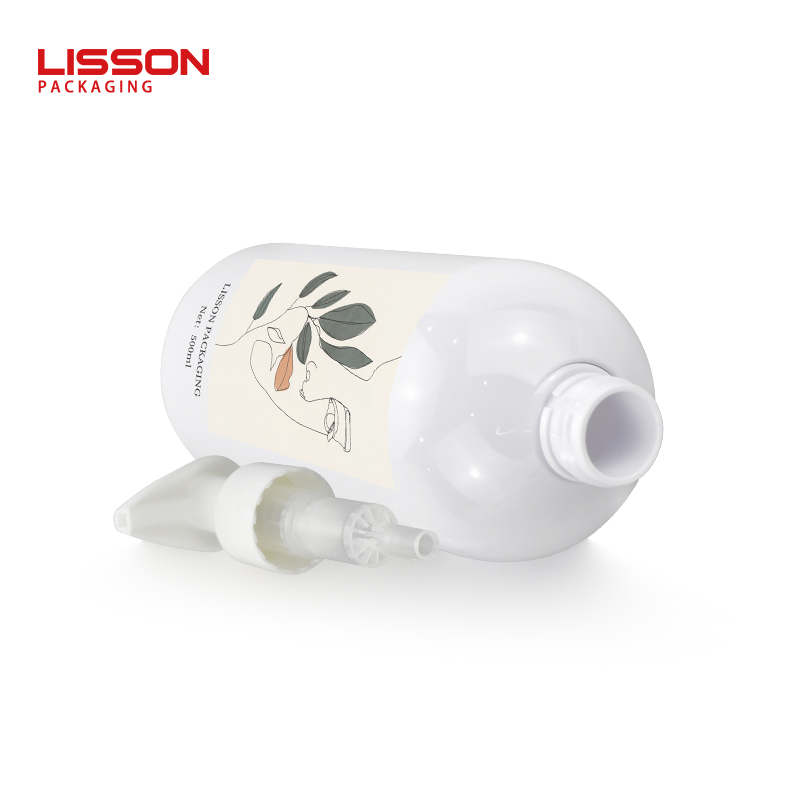
Before placing a large production order, brands should test the complete packaging system under actual or simulated production conditions.
Important checks can include formula compatibility, filling accuracy, leakage, closure fit, pump performance, drop resistance, dimensional consistency, label application, and transportation performance.
For automated filling lines, it is also useful to check how bottles behave during conveyor transportation, filling, capping, and labeling. A packaging sample that works during manual testing may still need adjustment before high-speed production.
Lisson's customization process includes sample production and testing, including precision thread sealing checks, color validation, and compatibility trials before mass production. This makes pre-production testing an important step when developing customized cosmetic packaging.
A cosmetic bottle manufacturer can help improve production efficiency by considering the packaging structure at the design stage. Instead of developing a bottle only from a visual reference, the manufacturer can review the formula, filling method, capacity, closure, production volume, and intended market.
For example, a brand producing body lotion may need a larger PET bottle with a lotion pump, while a concentrated skincare product may require a smaller airless or dropper packaging system. A shampoo or conditioner product may require a larger bottle designed for reliable automated filling and capping.
These requirements can be incorporated into the bottle geometry, material selection, neck finish, closure configuration, and production process before mass manufacturing begins.
Lisson provides custom bottle profile design, structural engineering, mold manufacturing, surface decoration, cap and pump selection, sample development, compatibility testing, and automated mass production as part of its cosmetic packaging service.
Can plastic cosmetic bottles be used on automated filling machines?
Yes. Plastic cosmetic bottles can be designed for automated filling lines. Bottle dimensions, base stability, neck finish, material, and structural strength should be matched with the specific filling and production equipment.
Which plastic materials are used for cosmetic bottles?
PE, PP, PET, and PETG are commonly used for different cosmetic packaging applications. The appropriate material depends on the formula, required appearance, flexibility, chemical resistance, filling conditions, and production requirements.
Does formula viscosity affect cosmetic bottle selection?
Yes. Low-viscosity liquids, lotions, creams, and thicker formulations may require different bottle openings and dispensing systems. Pumps, sprays, droppers, squeeze structures, and airless systems should be selected according to the actual formula.
Should cosmetic packaging be tested before mass production?
Yes. Sample testing can help verify formula compatibility, filling performance, sealing, dispensing, leakage resistance, and production-line performance before a large order is manufactured.
Can Lisson customize plastic cosmetic bottles for specific production requirements?
Yes. Lisson provides OEM and ODM cosmetic packaging services covering bottle design, mold development, material selection, closure configuration, sample testing, decoration, and mass production.
The right plastic cosmetic bottle should match more than the appearance of the finished product. Material, formula viscosity, filling method, bottle capacity, neck finish, dispensing system, production speed, and compatibility testing all influence packaging performance.
For cosmetic brands and contract manufacturers, discussing these requirements with the packaging supplier at the beginning of the project can reduce unnecessary modifications later. It also makes it easier to develop packaging that works with the formula, filling equipment, and final user experience at the same time.
Lisson provides customized plastic cosmetic bottle solutions for skincare, personal care, sunscreen, lotion, cleanser, serum, and other beauty products. Brands can discuss capacity, material, filling process, dispensing system, decoration, and customization requirements before sample development and mass production.