what are you looking for?

Polyethylene (PE) plastic bottles are widely used for skincare and personal care products because they offer a practical combination of lightweight construction, durability, flexibility, and useful chemical resistance. Depending on the material grade and bottle design, PE packaging can be suitable for facial cleansers, body lotions, hand creams, sunscreens, shampoos, and selected hair care products.
For cosmetic brands, packaging needs to do more than hold a formula. It should support convenient dispensing, withstand everyday handling, protect the product under appropriate storage conditions, and reflect the brand's identity. As a cosmetic packaging manufacturer, LISSON Packaging provides plastic packaging solutions for skincare, hair care, and personal care applications, with different bottle shapes, capacities, and dispensing options.
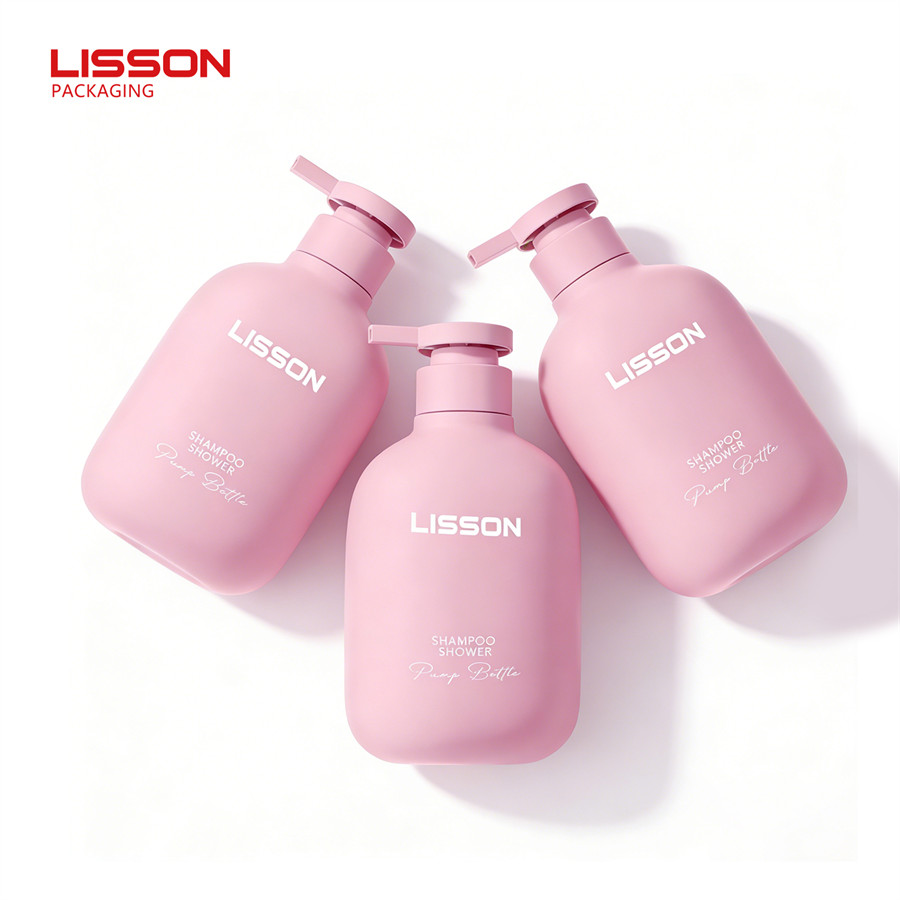
PE, or polyethylene, is a thermoplastic polymer used in a wide range of packaging applications. Common types include low-density polyethylene (LDPE), medium-density polyethylene (MDPE), and high-density polyethylene (HDPE). Each grade has different physical properties, including flexibility, stiffness, and resistance to impact.
These differences give packaging manufacturers flexibility when developing bottles for specific product applications. Softer PE structures can be considered for squeeze packaging, while HDPE is often selected when a more rigid bottle body is needed.
PE is also lightweight and can be molded into different shapes and sizes. Combined with suitable caps, pumps, and applicators, this makes it a practical option for cosmetic brands looking for packaging that balances everyday usability with design flexibility.
Brands evaluating polyethylene packaging can explore the LISSON PE bottle collection for options intended for skincare, personal care, and hair care products.
Lightweight and easy to handle
PE bottles are relatively lightweight, making them convenient for consumers to carry, store, and use. This is useful for daily skincare products, travel-size personal care items, and larger containers for shampoo, body wash, and lotion.
For brands distributing products internationally, packaging weight can also influence shipping efficiency. Bottle weight should be evaluated alongside its dimensions, protective packaging, carton configuration, and transportation requirements.
Durable for everyday use
Cosmetic packaging must withstand routine handling, filling, storage, and transportation. Depending on the selected grade and bottle structure, PE can offer useful impact resistance and flexibility.
This makes PE worth considering for products that consumers handle frequently or carry in handbags and travel kits. Wall thickness, bottle geometry, closure design, and transportation conditions should still be assessed to ensure the finished package performs as expected.
Suitable for squeeze-bottle designs
One of the practical advantages of certain PE grades is their flexibility. A suitably designed squeeze bottle allows consumers to dispense a controlled amount of product without relying entirely on a pump mechanism.
This can be useful for selected hand creams, cleansing products, sunscreen, and other personal care formulations. The bottle opening must match the product's viscosity, while the closure should provide an appropriate seal during storage and transport.
Useful chemical resistance
PE offers resistance to many common substances, making it suitable for evaluating a variety of personal care packaging applications. However, compatibility depends on the specific formulation and material grade. Fragrances, oils, solvents, surfactants, and active ingredients may affect packaging materials differently.
For this reason, cosmetic brands should test the actual formula in the proposed bottle and closure under relevant storage conditions before approving mass production. Material selection should be based on compatibility testing rather than the polymer name alone.
Flexible design and branding options
PE bottles can be developed in different shapes, sizes, and colors. Depending on the manufacturing process and bottle design, brands may also consider customized finishes, printed logos, and different dispensing components.
These options help brands maintain a consistent visual identity across their product lines. For premium hair and body care products, the bottle's surface texture, shape, and grip can contribute to the overall user experience.
For example, the 500ml matte flocked PE plastic square bottle is presented as a packaging option for hair care and body care brands looking for a distinctive surface finish and customized branding.
PE packaging can be considered for several cosmetic and personal care categories. The most suitable option depends on the formula, dispensing requirements, desired appearance, and protection needed throughout the product's shelf life.
Facial cleansers: PE squeeze bottles can be suitable for selected cleansing formulas when the bottle opening and material are compatible with the product.
Hand creams and body lotions: Suitable PE structures can offer convenient handling and controlled dispensing for everyday moisturizing products.
Sunscreen: PE and HDPE packaging can be evaluated for selected sunscreen formulations. The formula's ingredients, stability requirements, and barrier needs should be considered before choosing a bottle.
Shampoo and body wash: Larger PE bottles and compatible pump systems can be considered for selected hair and body care products, depending on the required capacity and dispensing experience.
Hair and scalp care products: Specialized packaging with comb applicators or other dispensing features can help consumers apply products to specific areas of the scalp.
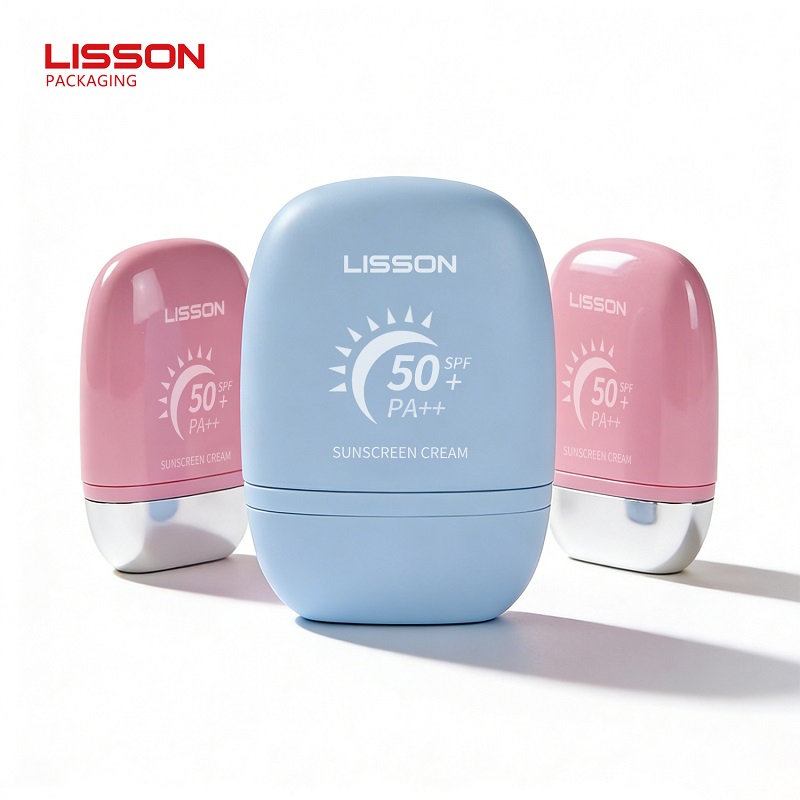
For brands developing portable sunscreen or liquid skincare products, LISSON offers 30ml and 50ml flat squeeze sunscreen packaging bottles made with PP/PE materials. Their compact shape and squeeze dispensing design are intended for convenient product application.
For formulas that need additional protection, a multilayer bottle may be worth evaluating. LISSON's 30ml and 50ml EVOH-layer HDPE oval bottles are listed for applications including sunscreen and hand cream. The suitability of the barrier structure should be confirmed against the requirements of the actual formula.
PE is not automatically the best choice for every cosmetic product. PET, PETG, and PP each offer different characteristics, and the right material depends on the formulation, bottle appearance, dispensing method, and performance requirements.
| Material | Typical Characteristics | Potential Applications |
|---|---|---|
| PE | Can provide flexibility, lightweight construction, and useful chemical resistance depending on the grade. | Squeeze bottles, selected lotions, creams, and personal care products. |
| PET | Often chosen for rigidity, lightweight construction, and transparent packaging designs. | Selected cleansers, lotions, toners, and personal care products. |
| PETG | Can support clear, visually distinctive packaging and premium-looking designs. | Selected skincare, makeup, and premium cosmetic packaging. |
| PP | Offers useful rigidity and chemical resistance for many packaging applications. | Caps, closures, dispensing components, and selected bottles. |
For brands comparing packaging materials, the LISSON cosmetic packaging product range provides a starting point for exploring different bottle and container categories.
When making a final decision, brands should consider the formula first. Transparent packaging may be desirable for visual merchandising, while a flexible squeeze bottle may be more practical for a thicker cream. Products with more demanding barrier requirements may need a specialized structure rather than a standard single-layer bottle.
Choosing the right PE bottle requires more than matching a product category to a material. Cosmetic brands should evaluate the complete packaging system before moving into mass production.
Formula compatibility: Confirm that the bottle, cap, liner, pump, and other dispensing components are compatible with the finished formula.
Product viscosity: Consider whether the product is a thin liquid, lotion, gel, or thick cream. The opening and dispensing mechanism should match the formula's flow characteristics.
Protection requirements: Evaluate moisture, oxygen, light, and other barrier needs. Standard PE packaging may not provide sufficient protection for every formulation.
Capacity and shape: Select a bottle size and structure that suit the intended use, target market, filling process, and shipping configuration.
Closure and dispensing: Choose between screw caps, flip-top closures, pumps, nozzles, or specialized applicators according to the product's intended use.
Customization: Confirm available colors, finishes, printing methods, minimum order quantities, samples, and production lead times with the manufacturer.
Performance testing: Test for leakage, deformation, dispensing consistency, and formula compatibility under realistic storage and transportation conditions.
Working with a packaging manufacturer early in product development can help brands coordinate bottle design, material selection, decoration, and production requirements. LISSON provides custom cosmetic packaging services for brands with different design and specification requirements.
PE bottles are lightweight and can be designed to use material efficiently, but sustainability depends on more than the base polymer. Bottle weight, recycled content, manufacturing processes, local recycling infrastructure, and end-of-life handling all influence the environmental impact of packaging.
Some PE packaging can be recycled where appropriate collection and processing systems are available. However, labels, pumps, mixed-material components, surface treatments, and multilayer structures may affect how easily a package can be processed. Brands should check local recycling requirements and the actual construction of the complete package before making environmental claims.
Post-consumer recycled PE (PCR-PE) may be an option for brands seeking to incorporate recycled material into their packaging. Availability, recycled-content percentage, color consistency, odor, and formula compatibility should be confirmed with the manufacturer before production.
A responsible packaging decision considers the full package and its intended disposal route rather than assuming that every plastic bottle has the same environmental performance.
Why are PE plastic bottles commonly used for skincare products?
PE bottles are commonly used because they can combine lightweight construction, durability, flexibility, and useful chemical resistance. Depending on the grade and design, they can be suitable for selected lotions, cleansers, creams, sunscreen, and other personal care products.
Are PE bottles suitable for lotion and hand cream?
Yes. Certain PE bottle designs can be suitable for lotions and hand creams. The material grade, bottle structure, closure, dispensing opening, and formula compatibility should be evaluated together before mass production.
What is the difference between PE and HDPE bottles?
PE is the general name for polyethylene, while HDPE stands for high-density polyethylene. LDPE, MDPE, and HDPE have different physical properties. HDPE generally provides a more rigid structure than many LDPE formulations, while the best choice depends on the required flexibility and application.
Can PE bottles be used for sunscreen?
PE and HDPE bottles can be considered for selected sunscreen formulations. Because sunscreen products may contain oils, UV filters, and other ingredients that affect packaging compatibility, brands should test the actual formula with the proposed bottle and closure. Additional barrier structures may be required for some products.
Can PE cosmetic bottles be customized?
Depending on the design and manufacturing capabilities, customization may include bottle shape, capacity, color, surface finish, printing, and closure options. Brands should confirm specifications, minimum order quantities, sampling arrangements, and production lead times with the supplier.
Are PE bottles better than PET bottles for skincare?
Neither material is universally better. PE may be useful when flexibility or squeeze performance is important, while PET is often considered when a more rigid, transparent bottle is preferred. The final choice should reflect formula compatibility, appearance, dispensing requirements, and protection needs.
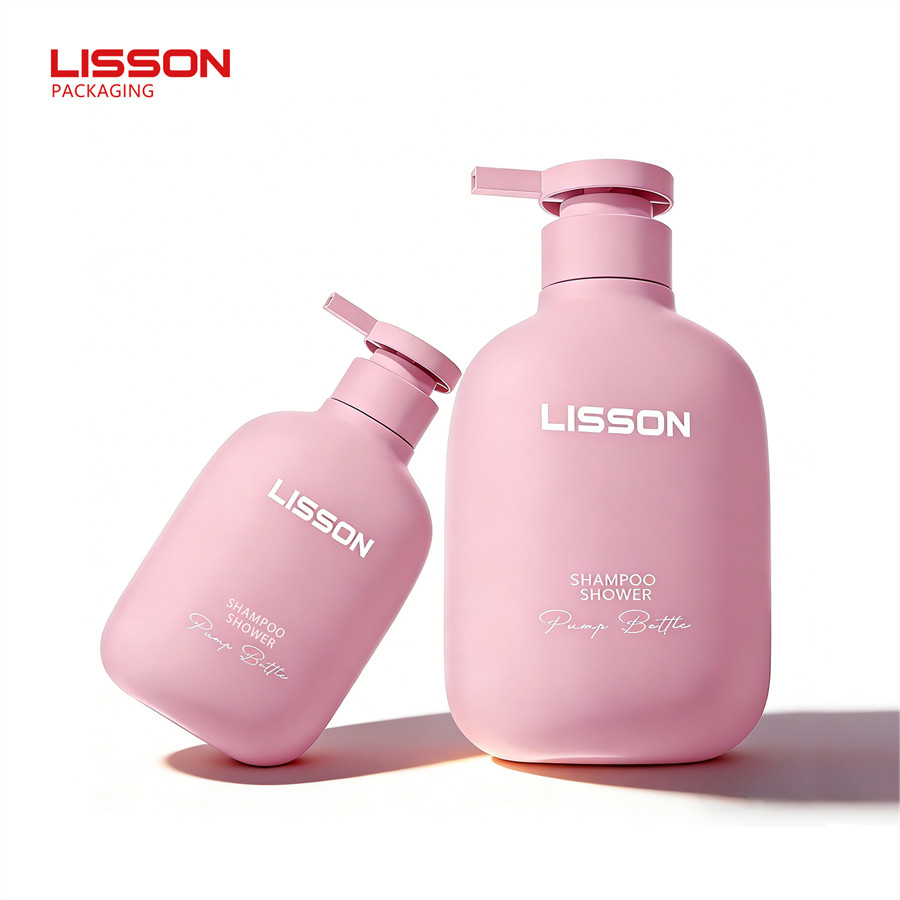
PE plastic bottles remain a practical option for many skincare and personal care products because they can combine everyday durability, convenient handling, and flexible design possibilities. Their suitability depends on the specific PE grade, bottle construction, formula, and required level of product protection.
For cosmetic brands, the best packaging decision starts with the product itself. By considering formula compatibility, viscosity, dispensing requirements, barrier performance, branding, and transportation conditions together, brands can identify a package that meets both functional and commercial needs.
LISSON Packaging offers PE bottles and a broader range of cosmetic packaging solutions for skincare, hair care, sunscreen, and personal care brands. Explore the available designs and discuss your product specifications with the team to identify a suitable packaging option for your next project.
Looking for PE bottles for your skincare or personal care product line?
Explore the LISSON PE bottle collection to review available packaging designs and product options.