what are you looking for?

Plastic cosmetic bottle packaging is evolving beyond basic storage. Beauty brands are looking for packaging that combines sustainable materials, convenient dispensing, distinctive design, and reliable protection for skincare and personal care formulas. The latest trends include PCR recycled plastic, refill-friendly packaging, airless pump systems, lightweight bottle structures, premium surface finishes, and customized dispensing solutions.
For skincare, makeup, haircare, and body care brands, the right packaging choice depends on the product formula, target market, filling process, and brand positioning. Lisson Packaging offers a range of plastic cosmetic bottles, airless bottles, pump bottles, and customized packaging solutions to help brands turn these trends into practical product designs.
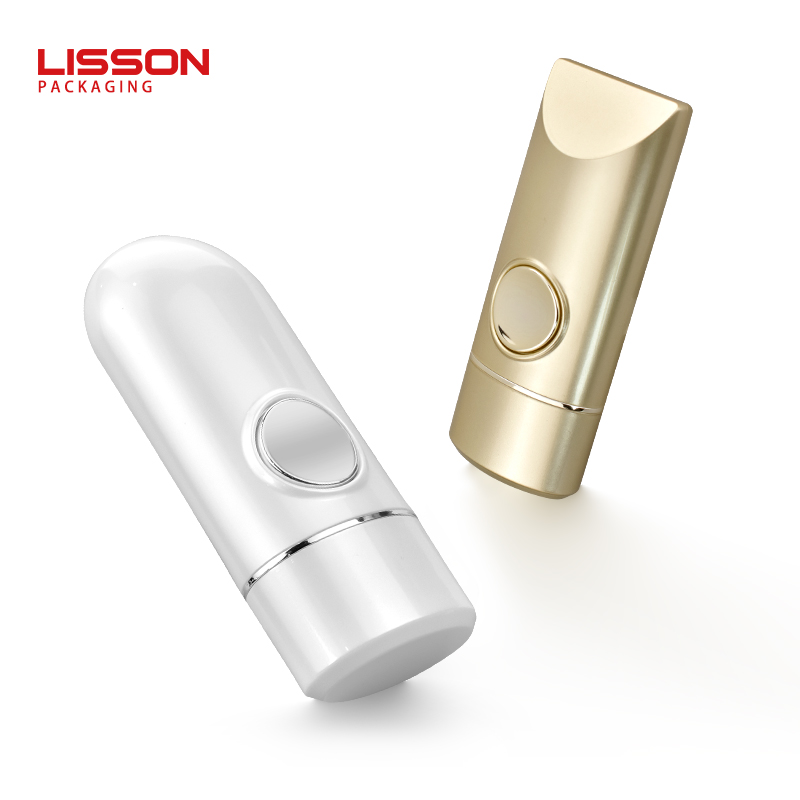
Beauty packaging needs to do several jobs at once. It must protect the formula, work smoothly during filling and daily use, communicate product quality, and support a brand's sustainability goals. At the same time, brands need packaging that can be manufactured consistently and supplied at a commercially viable cost.
Plastic remains a practical option because it can be lightweight, impact-resistant, and adaptable to different shapes, capacities, closures, and decoration methods. Depending on the formula and positioning, brands can choose PET, PETG, PE, PP, or other suitable material combinations.
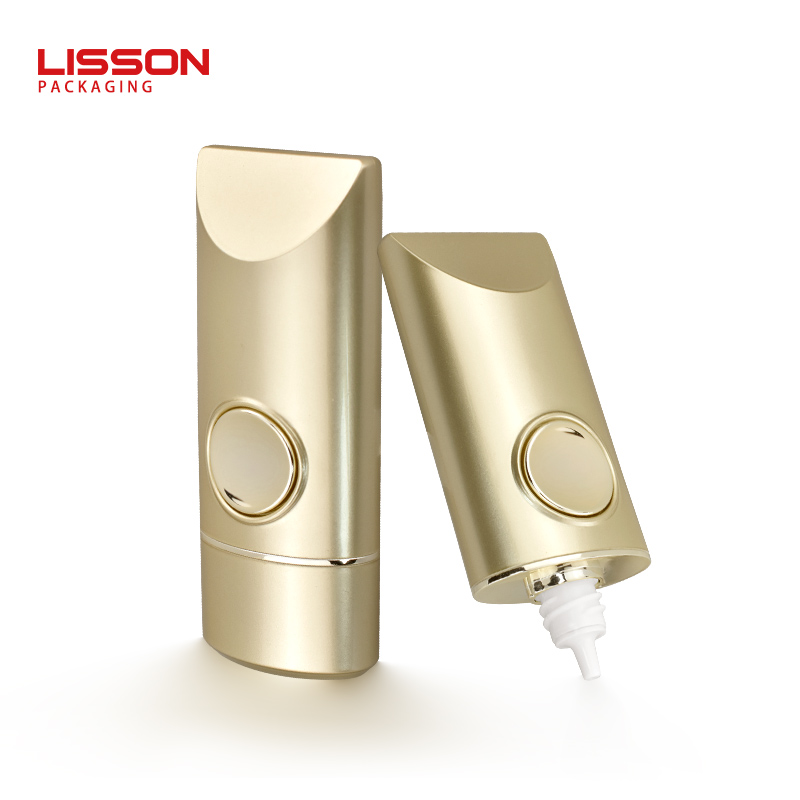
For example, a daily body lotion may need a convenient pump bottle, while a concentrated facial serum may benefit from an airless dispensing system. A sunscreen brand may prioritize portability and formula protection, while a premium skincare line may focus on thick-wall construction, frosted finishes, and customized colors.
Explore Lisson's cosmetic packaging products to compare bottle styles and identify options that match your product requirements.
Recycled materials are becoming an important consideration in cosmetic packaging development. Post-consumer recycled plastic, commonly known as PCR plastic, allows brands to incorporate recovered plastic into new packaging instead of relying entirely on virgin resin.
PCR PET and PCR PE are worth evaluating for brands that want to reduce their use of virgin plastic. However, recycled content can influence color consistency, transparency, surface appearance, and processing performance. The appropriate recycled content should therefore be selected according to the product's visual requirements and the supplier's material capabilities.
Sustainability also involves more than choosing recycled resin. Lightweight bottle structures, recyclable material combinations, suitable closures, and packaging that avoids unnecessary components can all contribute to a more considered design.
Beauty brands should confirm the actual recycled content, material documentation, local recycling compatibility, and relevant product-contact requirements before making environmental claims. PCR packaging does not automatically mean that the finished package is recyclable everywhere.
For brands exploring more responsible packaging, Lisson provides information about its plastic cosmetic bottle and sustainable packaging solutions, including PCR material options.
Refillable cosmetic packaging is attracting attention from brands looking to reduce repeated packaging consumption and encourage customers to reuse selected components. Instead of replacing the entire package every time, a refill system may allow consumers to retain an outer container and replace the inner bottle or refill component.
Not every plastic cosmetic bottle is suitable for repeated use. A successful refill design needs to consider how the container opens, how easily it can be cleaned when appropriate, whether the refill process introduces contamination risks, and how securely the package closes after refilling.
Brands should also evaluate the durability of the outer container, the availability of replacement components, and whether the refill format is convenient enough for customers to adopt in everyday routines.
For packaging developers, the first step is to define which components should be reused and which should be replaced. This makes it easier to assess the bottle structure, closure design, material compatibility, and overall user experience before moving to production.
Airless packaging is a practical choice for skincare products that require controlled dispensing and reduced exposure to the surrounding environment. Unlike conventional pump bottles that typically use a dip tube, many airless designs use a piston or another mechanism to move the product upward as the user dispenses it.
This structure can help reduce repeated air exchange, improve dispensing control, and limit the amount of product left inside the package. These benefits can be valuable for facial serums, moisturizing creams, lotions, and selected active skincare formulations.
Airless packaging does not guarantee that a formula will remain stable indefinitely. Product stability still depends on the formulation, material compatibility, sealing performance, storage conditions, and appropriate testing.
When selecting a bottle, brands should check the required dosage per pump, formula viscosity, bottle capacity, priming performance, and how much product remains after normal use.
Brands developing premium skincare or functional cosmetic products can review Lisson airless cosmetic bottles to explore packaging options for different product applications.
Lightweight packaging is another important development in plastic cosmetic bottle design. Reducing unnecessary material can lower the amount of plastic used per package and may improve shipping efficiency, particularly for brands distributing large volumes of products internationally.
However, a lighter bottle is not automatically a better bottle. The design still needs enough structural strength to withstand filling, capping, transportation, stacking, and daily handling. Wall thickness, bottle geometry, closure fit, and the properties of the selected resin all affect performance.
PET is often considered when transparency and presentation matter. PE is commonly used for flexible or squeezable packaging, while PP is frequently selected for closures and other packaging components. The final choice should always be based on the complete package rather than the bottle material alone.
For formulas that require additional protection, multilayer structures or suitable barrier materials may be considered. For example, Lisson's EVOH-layer HDPE oval bottle is designed for sunscreen and hand cream applications where barrier performance is an important consideration.
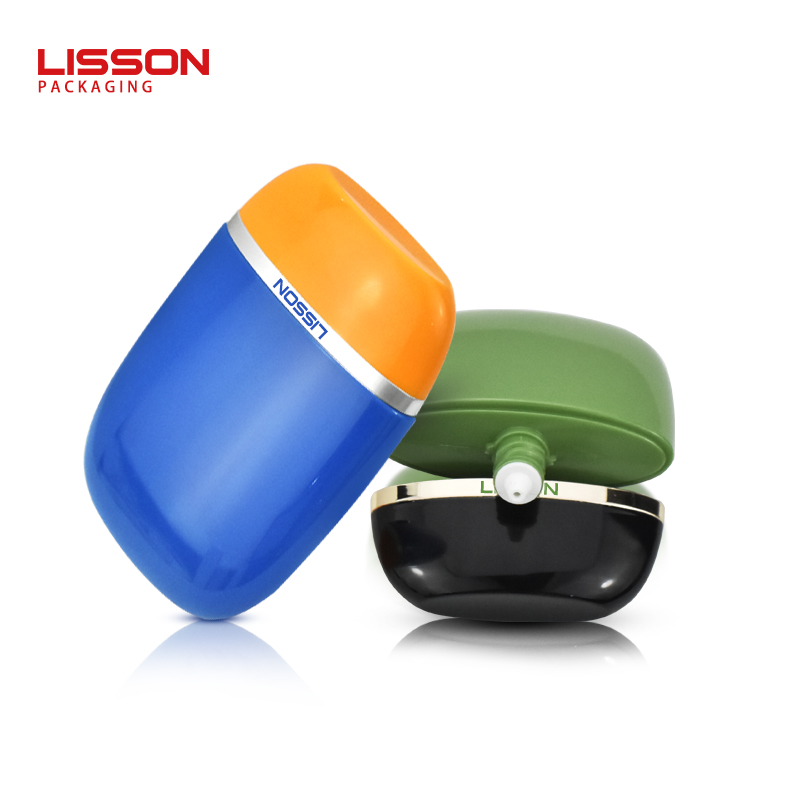
Before choosing a lightweight design, brands should test the filled package for leakage, deformation, drop resistance, and compatibility with their actual filling and distribution conditions.
Packaging appearance remains an important part of brand positioning. A cosmetic bottle is often one of the first physical elements customers notice, so its shape, color, surface texture, and dispensing components should reflect the product's intended market.
Several design approaches are worth considering:
Customization should be balanced with production feasibility. A visually distinctive bottle may require additional mold development, decoration steps, or component matching. Brands should confirm minimum order quantities, sample availability, lead times, and repeat-order consistency before finalizing a design.
Lisson offers custom cosmetic bottle packaging services covering design, colors, surface finishes, printing, and packaging components. These options can help brands develop a consistent look across different product sizes.
Packaging trends are not only about how a bottle looks. Consumers also expect products to dispense easily, stay clean during use, and deliver a suitable amount with minimal mess. Choosing the right dispensing system can make a meaningful difference to the daily user experience.
Lotion pumps are suitable for many lotions, liquid cleansers, and body care products. They provide convenient dispensing and can help users control the amount applied.
Mist spray pumps are useful for products such as facial mists, body sprays, and selected haircare formulas. Spray performance should be checked against the formula's viscosity and intended application.
Dropper bottles are commonly used for concentrated serums, facial oils, and other products that require measured application. The dropper components must be compatible with the formula.
Specialized applicators can make packaging more product-specific. Scalp treatment bottles, roller applicators, and targeted dispensing tips may help users apply formulas directly to the intended area.
For brands developing lotions, cleansers, and other liquid beauty products, Lisson lotion pump and spray bottle options provide a useful starting point for comparing dispensing formats.
The best cosmetic bottle packaging is not necessarily the newest or most visually striking option. It is the package that meets the product's technical requirements while supporting the brand's positioning, production process, and budget.
Before requesting samples or a quotation, brands should clarify the following points:
Requesting samples early allows the brand to evaluate the complete package rather than relying on photographs alone. Compatibility tests, dispensing trials, leakage checks, and transport simulations can help identify issues before mass production.
A reliable packaging supplier should do more than provide a catalog. The supplier should be able to discuss material choices, component compatibility, decoration options, sample development, quality requirements, and production planning.
For OEM and ODM projects, it is helpful to confirm whether the supplier can support custom bottle shapes, capacity adjustments, logo printing, color matching, pump selection, and coordinated packaging components. Clear communication during sample approval can also reduce the risk of differences between the approved sample and the final production batch.
Lisson Packaging provides plastic cosmetic bottles, airless bottles, pump bottles, dropper bottles, and other cosmetic packaging options for beauty and personal care applications. Brands can review the product range and discuss project-specific requirements before selecting a suitable packaging solution.
To explore available options, visit the Lisson cosmetic bottle product range or contact the team to discuss bottle capacity, material, dispensing mechanism, customization, and sample requirements.
What are the latest trends in plastic cosmetic bottle packaging?
The main trends include PCR recycled plastic, refill-oriented designs, airless dispensing systems, lightweight structures, premium finishes, customized bottle shapes, and packaging designed around convenient daily use. The right combination depends on the formula, brand positioning, and target market.
Are PCR plastic bottles suitable for premium skincare brands?
Yes. PCR plastic bottles can be used for premium skincare when the material's appearance, consistency, mechanical performance, and formula compatibility meet the project's requirements. Brands should evaluate samples and confirm recycled content before approving production.
Why are airless cosmetic bottles popular for skincare?
Airless bottles can help reduce repeated exposure to ambient air and provide controlled dispensing. They are often considered for serums, creams, and lotions, especially when formula protection and reduced product residue are priorities. Actual product stability still requires appropriate testing.
Which plastic is best for cosmetic bottles?
There is no single best plastic for every cosmetic product. PET is often chosen for clarity, PE for flexible or squeezable packaging, and PP for various bottles and closures. PETG and other materials may be suitable for specific appearance or performance requirements. Formula compatibility and package testing should guide the final selection.
Can cosmetic plastic bottles be customized for a beauty brand?
Yes. Depending on the supplier's capabilities and minimum order requirements, customization may include bottle capacity, shape, color, finish, logo printing, labeling, and dispensing components. Brands should confirm sample approval, production lead time, and repeat-order consistency before proceeding.
How can beauty brands choose more sustainable cosmetic packaging?
Start by defining measurable goals, such as increasing PCR content, reducing unnecessary material, simplifying component combinations, or introducing a refill system. Then evaluate product protection, recyclability in the target market, filling performance, and the package's full life cycle. Sustainability claims should reflect the actual materials and verified product characteristics.
The latest cosmetic packaging trends reflect a practical shift: beauty brands want packaging that looks distinctive, works reliably, and supports evolving sustainability expectations. PCR materials, airless systems, refill-friendly concepts, lightweight structures, and customized finishes each offer potential benefits, but their suitability depends on the product and its intended market.
By evaluating the formula, dispensing requirements, visual identity, manufacturing process, and packaging goals together, brands can make more informed sourcing decisions. Lisson Packaging offers a range of cosmetic bottle and packaging solutions to support skincare, makeup, haircare, and personal care product development.
Explore the available products and discuss your specifications with the Lisson team to identify packaging options that fit your next beauty launch.