what are you looking for?

For cosmetic brands, packaging efficiency is closely connected to production costs, filling speed, product protection, transportation, and the overall customer experience. As product lines expand and order volumes increase, choosing the right packaging can make a noticeable difference to daily manufacturing operations.
Plastic bottles are widely used in skincare, haircare, body care, and personal care products because they offer a practical balance of lightweight construction, durability, design flexibility, and manufacturing adaptability. However, simply choosing a plastic bottle does not automatically improve efficiency. The bottle structure, material, capacity, closure, and dispensing system all need to match the product formula and production process.
For cosmetic brands working with packaging manufacturers, improving efficiency means finding a bottle solution that reduces unnecessary complexity while maintaining product quality and brand presentation.
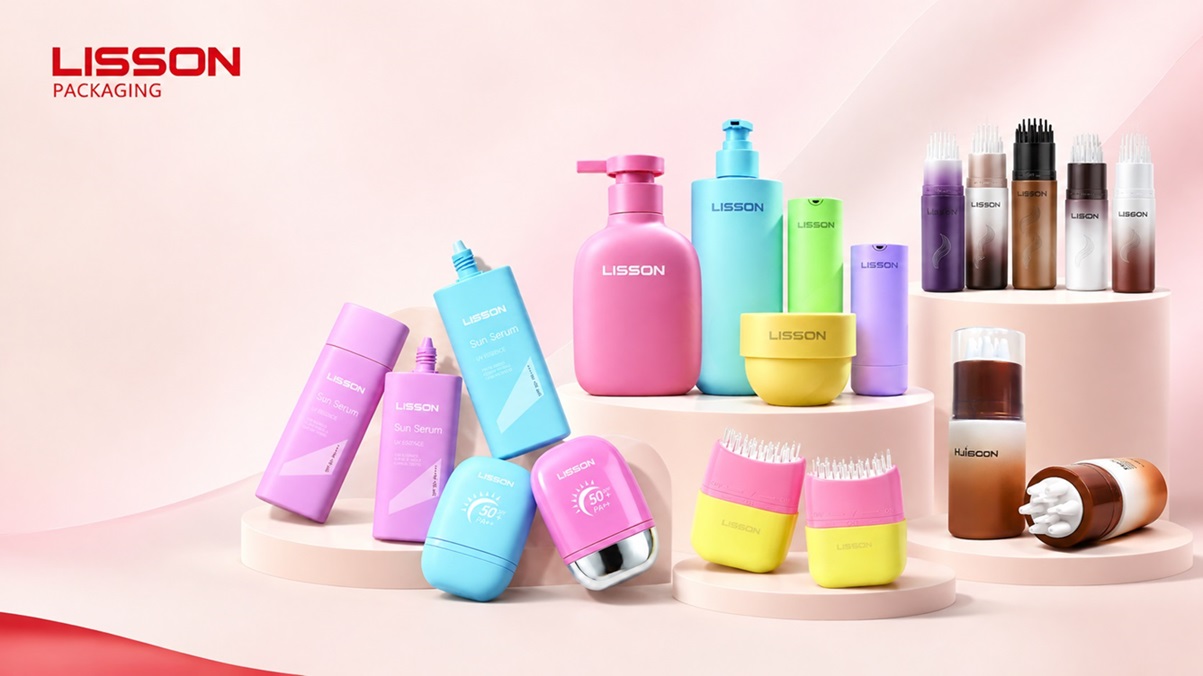
Packaging is not just the final container for a cosmetic formula. It is part of the entire manufacturing and distribution process, from filling and sealing to labeling, storage, and delivery.
When packaging specifications are not properly planned, brands may encounter problems such as inconsistent filling performance, bottle leakage, difficult labeling, excessive packaging costs, and unnecessary production adjustments.
A well-designed plastic bottle can help brands improve efficiency in several ways:
For brands producing multiple skincare or personal care products, these improvements can become particularly valuable when applied consistently across an entire product range.
One of the most important factors affecting packaging efficiency is the relationship between bottle design and filling equipment.
Different cosmetic products require different filling methods. A thin facial toner, thick body lotion, cleansing gel, and liquid shampoo do not necessarily work with the same bottle opening or dispensing structure.
For example, a bottle with an unsuitable neck opening may slow down filling or create splashing when the formula is dispensed at high speed. An incompatible bottle shape may also cause instability during conveyor transportation or labeling.
Before selecting a bottle, brands should consider:
For example, LISSON's 300ml 350ml Spray Pump Lotion Bottle for Shampoo uses a PET bottle body with a PP spray pump. Its standardized capacity options and customized printing make it a practical reference for haircare and personal care packaging projects.
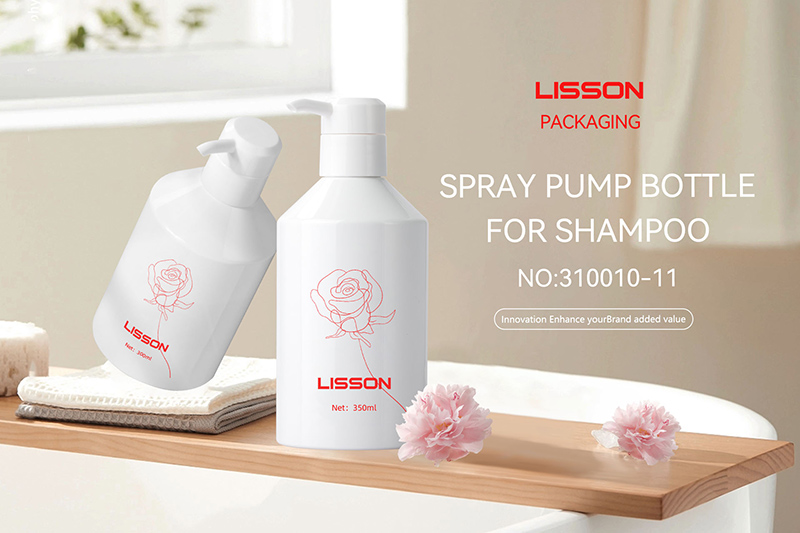
The important point is to evaluate the complete packaging system rather than the bottle body alone. Bottle dimensions, pump specifications, filling equipment, and capping requirements should be checked together before mass production.
Material selection influences bottle weight, structural strength, appearance, flexibility, and compatibility with cosmetic formulas. Choosing a suitable material can help avoid unnecessary changes during product development and mass production.
Several plastic materials are commonly used in cosmetic bottle manufacturing.
PET (Polyethylene Terephthalate)
PET is frequently selected for cosmetic bottles that require a lightweight and relatively rigid structure. Its transparency makes it suitable for brands that want to display the color and appearance of their products. It is commonly considered for toners, cleansers, shampoos, and other personal care applications, subject to formula compatibility testing.
PE and HDPE (Polyethylene)
PE and HDPE are practical options for different cosmetic packaging applications. Depending on the material grade and bottle construction, they can provide flexible or more rigid packaging structures. HDPE is often considered for lotions, hand creams, sunscreen, and everyday personal care products.
PP (Polypropylene)
PP is widely used for packaging components such as caps, closures, and pump parts. It can also be used in selected bottle designs where its material characteristics are suitable for the intended application.
PETG
PETG offers design flexibility and an attractive appearance. It is often considered for premium skincare packaging, eye care products, and cosmetic containers that require a distinctive visual presentation.
EVOH Multilayer Structures
For formulas that require additional protection, multilayer bottle structures incorporating EVOH can be considered. EVOH is used as a barrier layer to help reduce the transmission of certain gases, depending on the complete bottle construction.
LISSON offers different plastic cosmetic bottles made from PET, PE, HDPE, PP, and PETG, allowing brands to compare different packaging options according to their product requirements.
There is no universal material that works for every cosmetic formula. Brands should conduct compatibility testing to check for potential changes in bottle appearance, leakage, deformation, odor, or other issues during storage.
Bottle capacity is another factor that can influence overall packaging efficiency. Selecting an appropriate size helps brands control material consumption, filling quantities, carton dimensions, and transportation arrangements.
For example, a skincare brand may need several packaging sizes for the same product, including travel-size bottles, regular retail bottles, and larger refill or family-size formats.
Instead of developing completely different bottle structures for every size, brands can evaluate whether certain design elements can be standardized across the product range.
This approach may help reduce unnecessary design work and simplify packaging procurement.
When optimizing bottle dimensions, buyers should consider:
Lightweighting should always be tested rather than based on weight reduction alone. A bottle that becomes too thin may lose its rigidity, become difficult to handle, or perform poorly during transportation.
The dispensing system directly affects how customers use a cosmetic product. It can also influence filling operations, assembly, packaging costs, and product waste.
Different formulas require different dispensing methods.
Lotion Pumps: Suitable for body lotions, hand creams, liquid soaps, and other products that require controlled dispensing. They provide convenient access and help users dispense a relatively consistent amount of product.
Mist Spray Pumps: Commonly used for toners, body sprays, hair products, and other liquid formulations that require fine or controlled spraying.
Flip-Top and Screw Caps: Practical options for shampoos, conditioners, cleansers, and squeeze bottles. They offer relatively simple opening and closing functions.
Airless Pump Systems: Worth considering for selected skincare formulas where minimizing air exposure and controlling product dispensing are important. The complete system should be evaluated for formula compatibility and dispensing performance.
For example, brands developing shampoo or body lotion products can explore LISSON's Lotion Pump Bottle Collection for different bottle shapes, capacities, and pump configurations.
When choosing a closure, brands should not focus only on appearance. Pump output, dispensing consistency, closure fit, leakage resistance, and compatibility with the filling process all need to be checked.
For brands managing several product lines, packaging standardization can be an effective way to simplify purchasing and production.
For example, a skincare collection may include facial cleanser, toner, moisturizer, and body lotion. If each product uses a completely different bottle structure, the brand may need to manage more molds, closures, packaging specifications, and inventory items.
Where product requirements allow, brands can consider using a consistent bottle design across several products while changing the capacity, color, printing, or dispensing component.
This approach can provide several practical advantages:
However, standardization should not mean forcing every formula into the same packaging structure. A thick cream may require a different opening or dispensing system from a lightweight toner. The goal is to standardize where practical while maintaining the functional requirements of each product.
Packaging efficiency is also related to how well a bottle protects the cosmetic formula throughout its intended shelf life.
A bottle that is easy to manufacture but unsuitable for the formula may create additional costs through leakage, product degradation, packaging deformation, or customer complaints.
Brands should therefore evaluate packaging performance based on the actual product rather than choosing materials solely because they are lightweight or inexpensive.
Important checks include:
For products such as sunscreen and certain skincare creams, additional barrier requirements may need to be considered. LISSON's 30ml 50ml EVOH Layer HDPE Oval Plastic Bottle is one example of a packaging design that combines an HDPE bottle body with an EVOH barrier layer.
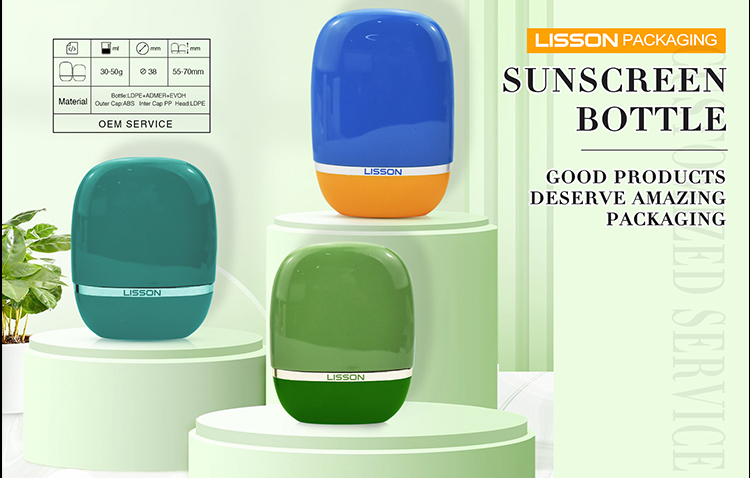
Reducing packaging waste also requires looking at the complete package. Bottle weight, cap design, pump components, secondary packaging, and transportation arrangements can all influence the overall material footprint.
Working with a manufacturer that understands both bottle design and production requirements can help brands identify potential packaging issues earlier.
For custom cosmetic packaging projects, the development process should consider the bottle structure, mold design, material selection, dispensing components, surface decoration, and final assembly.
LISSON Packaging provides OEM and ODM cosmetic packaging solutions, supporting brands from initial design concepts and mold development to bottle manufacturing, printing, and finished packaging.
Its manufacturing and customization capabilities include:
For brands planning a new packaging project, reviewing these manufacturing capabilities at the beginning can help reduce unnecessary design changes and improve coordination before mass production.
Brands can learn more about LISSON's Cosmetic Packaging Design and Manufacturing Services to understand the development process and available customization options.
Before approving a large packaging order, brands should conduct practical testing to confirm that the selected bottle works with the actual formula and production equipment.
A pre-production checklist can help identify problems before they affect a full manufacturing run.
For automated production lines, it is particularly important to conduct filling and capping trials using production-representative samples. A bottle that works during manual testing may still require adjustments before high-speed production.
Testing the complete packaging system can help brands avoid unnecessary changes after mass production has started.
Plastic bottles can improve packaging efficiency through lightweight construction, customizable shapes, compatible dispensing systems, and flexible manufacturing options. When designed for the filling and labeling process, they can help simplify production and transportation.
There is no single best material for every cosmetic product. PET is often selected for clear and lightweight bottles, while PE and HDPE are commonly used for shampoo, lotion, and personal care packaging. PP and PETG can also be considered depending on the bottle design, closure requirements, and product formula.
Yes. Properly designed lightweight bottles can reduce material consumption and transportation weight. However, brands should verify structural strength, impact resistance, and filling performance before reducing bottle weight.
The pump should match the product viscosity, required dispensing volume, bottle neck finish, and intended usage. Lotion pumps are suitable for many creams and lotions, while mist spray pumps are designed for compatible liquid products requiring spray dispensing.
Standardizing suitable bottle shapes, capacities, and components can simplify packaging procurement, inventory management, and production coordination. It can also help maintain a consistent appearance across different products within the same brand collection.
Brands should evaluate formula compatibility, leakage resistance, filling performance, closure fit, pump functionality, drop resistance, printing quality, and transportation performance. The actual testing requirements depend on the formula and intended packaging application.
Yes. OEM and ODM manufacturers can support customized bottle shapes, capacities, colors, materials, closures, pumps, and surface decoration. Sample development and pre-production testing help confirm whether the final design meets the brand's requirements.
Improving cosmetic packaging efficiency requires more than choosing a lightweight plastic bottle. Brands need to consider how the bottle works with the formula, filling equipment, dispensing system, labeling process, and transportation arrangements.
From PET and HDPE bottles to customized pump bottles and specialized barrier packaging, LISSON Packaging provides a range of cosmetic packaging solutions for skincare, haircare, sunscreen, and personal care products.
With OEM and ODM support covering bottle design, mold development, manufacturing, surface decoration, and sample evaluation, LISSON helps brands develop packaging that balances functionality, production requirements, and visual presentation.
Whether you are launching a new skincare product or optimizing packaging for an existing product line, selecting the right plastic bottle structure is an important step toward more efficient and consistent production.