what are you looking for?

Choosing the right bottle material is an important step when developing cosmetic packaging. The bottle needs to do more than simply hold the product. Its material can affect chemical compatibility, durability, dispensing performance, product protection, appearance, transportation, and the overall user experience.
For skincare, haircare, sunscreen, body care, and other personal care products, plastic packaging offers a wide range of material options. PET, PETG, HDPE, PE, PP, and multilayer structures can provide different combinations of rigidity, flexibility, chemical resistance, clarity, and barrier performance.
The best cosmetic bottle material therefore depends on the formula. A lightweight toner, thick hand cream, cleansing oil, sunscreen, and hair serum may require completely different packaging solutions. This guide explains how to match non-glass cosmetic bottle materials with different formulas and what brands should consider before selecting packaging for mass production.
Cosmetic packaging and the formula inside the package should be considered as one system. A formulation may contain water, oils, alcohol, surfactants, fragrances, solvents, acids, active ingredients, or other components that interact differently with different plastic materials.
For example, a lightweight facial toner does not place the same requirements on packaging as a thick body cream. A cleansing oil may require different compatibility testing from a water-based serum, while sunscreen formulations may require careful evaluation of both the bottle material and barrier properties.
Before selecting a cosmetic bottle material, brands should consider:
Lisson Packaging manufactures a wide range of plastic cosmetic bottles , including PE, PP, PET, and PETG packaging solutions for different cosmetic and personal care applications.
PET, or polyethylene terephthalate, is one of the most widely used materials for cosmetic bottles. It provides good rigidity, a relatively lightweight structure, and attractive transparency, making it useful for brands that want consumers to see the product color or remaining volume.
PET bottles can be considered for products such as facial cleansers, lotions, shampoos, body washes, toners, and other personal care formulations. PET is particularly useful when a brand wants a clean and modern appearance without using heavy glass packaging.
For example, Lisson offers PET lotion pump bottles designed for beauty and personal care applications. A pump format can also make PET packaging more convenient for liquid lotions and other formulas that require controlled dispensing.
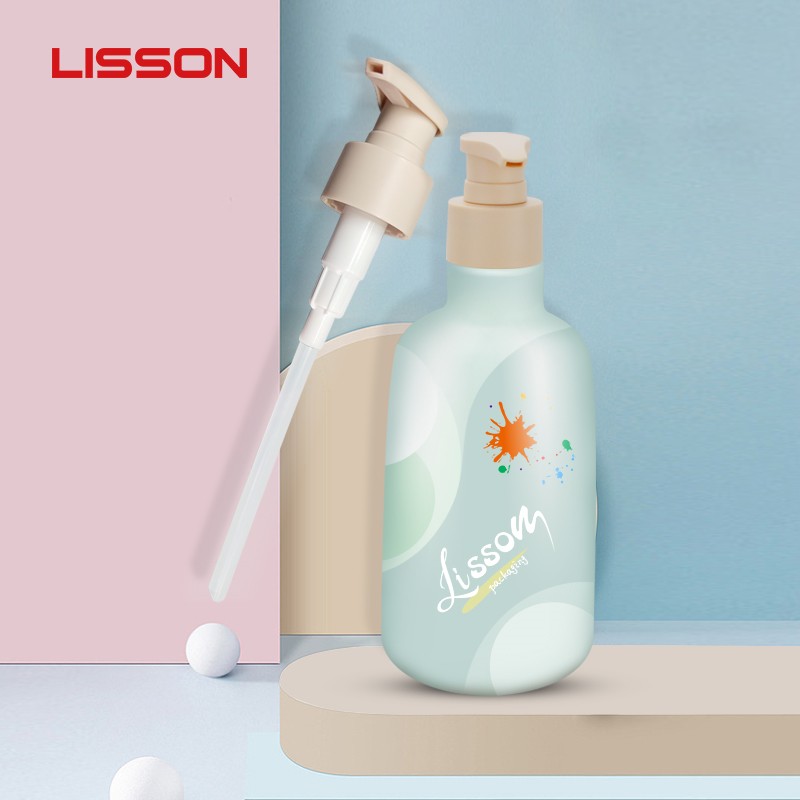
Brands can explore Lisson's PET and PETG bottle collection when developing transparent or lightweight plastic cosmetic packaging.
PETG is another popular option for cosmetic packaging when brands want a clear and premium-looking plastic bottle. Compared with conventional packaging materials, PETG can provide an attractive appearance while maintaining the practical benefits of plastic packaging.
PETG can be considered for skincare, facial care, serums, lotions, eye care, and other beauty products where packaging appearance plays an important role in brand presentation.
Lisson's PETG product range includes thick-wall cosmetic bottles that can be used for premium skincare and cosmetic packaging projects. The bottles are available in different capacities and can be combined with different closures, colors, finishes, and decoration methods according to brand requirements.
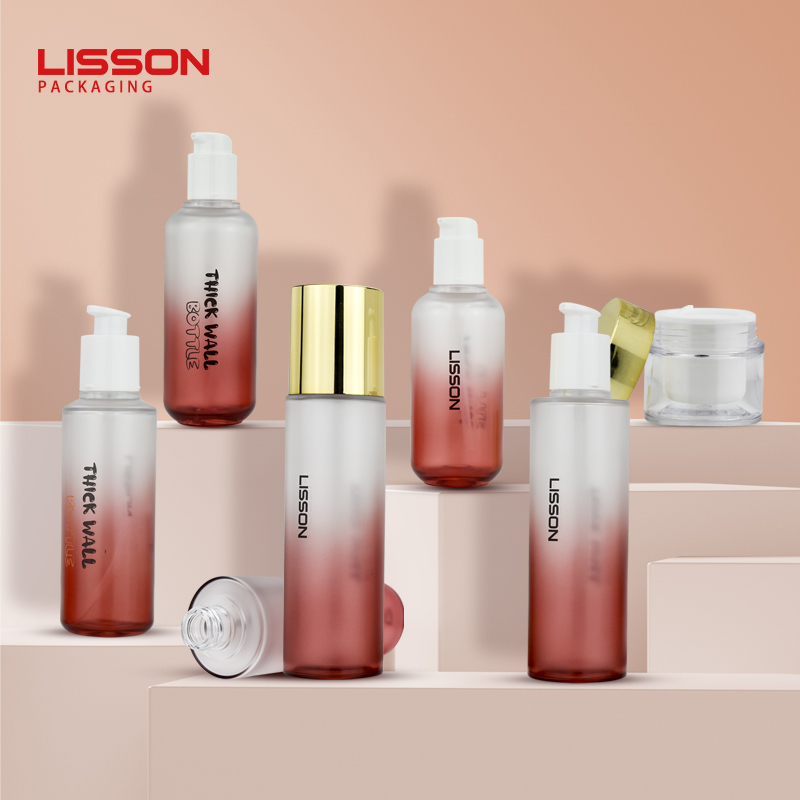
For brands looking for premium non-glass packaging, the PETG thick-wall cosmetic bottle is one option to consider. Lisson states that these PETG bottles are designed for skincare, cosmetics, and beauty care applications.
HDPE, or high-density polyethylene, is a practical material for cosmetic packaging because of its durability and chemical resistance. It can be used for many skincare, haircare, body care, and personal care applications.
HDPE bottles are commonly considered for lotions, cleansers, shampoos, conditioners, hand creams, sunscreen products, and other formulations that require a durable package.
Another advantage of HDPE is that it can be designed in different structures and shapes. Depending on the product, manufacturers can develop rigid bottles, squeeze bottles, oval bottles, or other customized formats.
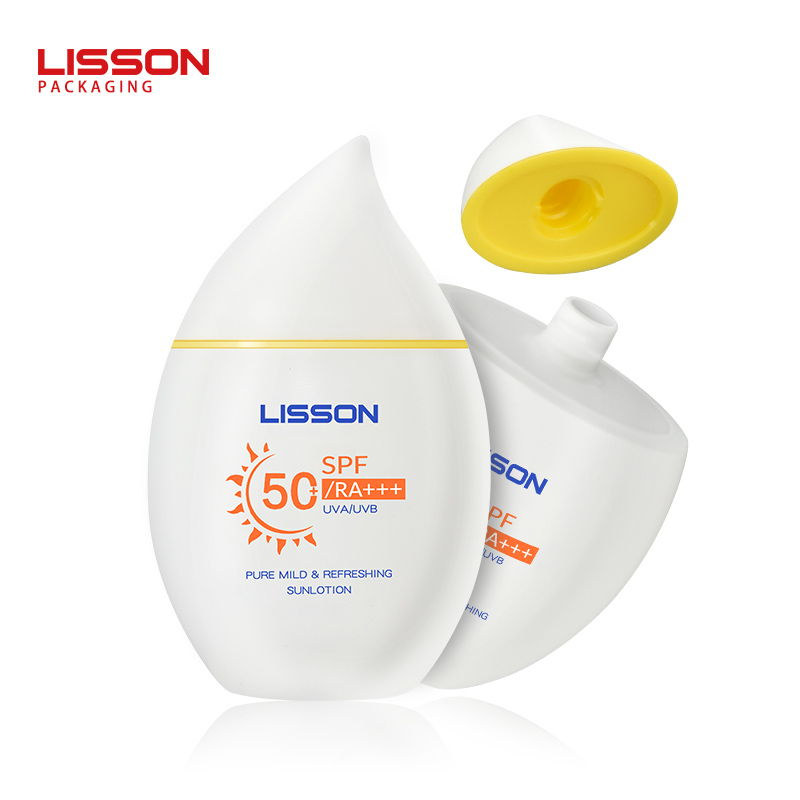
Lisson provides different PE and HDPE cosmetic bottle solutions for skincare, sunscreen, body care, and other personal care products.
PE is useful when flexibility and squeeze performance are important. Depending on the specific PE material and bottle construction, PE packaging can provide a softer feel and make it easier for consumers to dispense products by squeezing the bottle.
PE bottles can be considered for lotions, hair care products, cleansing products, scalp treatments, body care formulas, and other applications where controlled squeezing is part of the user experience.
Lisson's PE bottle range includes LDPE, MDPE, and HDPE bottles for cosmetics, skincare, personal care, and hair care. The range also includes functional packaging such as applicator bottles for scalp treatments and hair growth products.
For example, Lisson offers PE squeeze bottles with comb and massage applicator systems that can help deliver haircare formulas directly to the scalp. This type of packaging shows why material selection should be considered together with the dispensing system.
Explore the PE bottle collection for squeeze bottles, scalp care packaging, sunscreen bottles, and other flexible cosmetic packaging applications.
Polypropylene, commonly known as PP, is another important material used in cosmetic packaging. PP provides a useful combination of chemical resistance, strength, and flexibility and can be used in different bottle structures.
PP packaging can be considered for sunscreen, hand cream, lotion, cleansing products, and other personal care formulas. It is particularly useful when the bottle needs to provide a balance between durability and controlled dispensing.
Lisson currently offers flat oval squeeze bottles made from PP/PE materials for sunscreen and liquid skincare applications. Their compact shape can also make them convenient for travel and daily use.
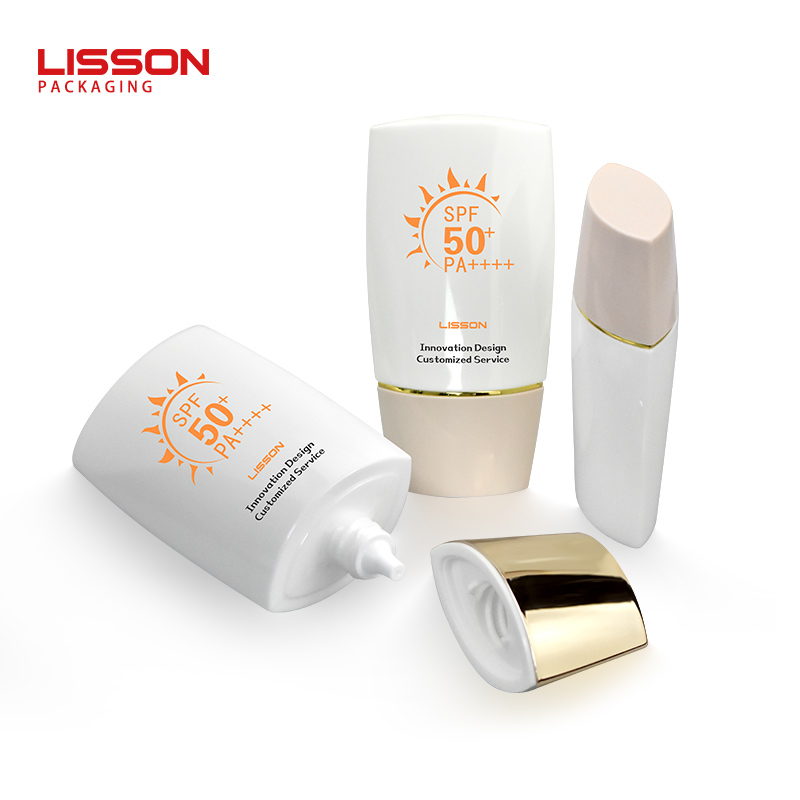
You can view Lisson's PP bottle solutions when evaluating packaging for sunscreen, lotions, creams, and other personal care formulas.
Some cosmetic formulas require additional protection beyond the properties provided by a single plastic material. In these cases, a multilayer packaging structure may be considered.
EVOH, or ethylene vinyl alcohol, is commonly used as a barrier layer in multilayer packaging structures. It can provide enhanced barrier performance while allowing manufacturers to maintain the lightweight and practical characteristics of plastic packaging.
This type of structure may be considered for selected skincare, sunscreen, hand cream, and other formulations where formula protection is an important packaging requirement.
Lisson offers an EVOH layer HDPE bottle designed for applications such as sunscreen and hand cream. The product uses HDPE, PP, and EVOH and is available in 30ml, 50ml, and 60ml sizes.
Learn more about the EVOH layer HDPE plastic cream bottle for sunscreen and hand cream applications.
The most effective way to select a cosmetic bottle material is to start with the formula and then work toward the packaging structure. Different formulations create different packaging requirements.
Water-based toners and lightweight liquids: PET can be considered when transparency, rigidity, and a lightweight structure are important. The selected bottle should still be tested with the actual formulation.
Facial cleansers: PET, HDPE, or PP may be suitable depending on viscosity, surfactant concentration, dispensing requirements, and the desired appearance.
Lotions and body care products: HDPE, PET, PE, and PP can all be considered depending on viscosity, chemical compatibility, bottle flexibility, and dispensing method.
Sunscreen: PP, PE, HDPE, and multilayer structures may be considered depending on the formula. Because sunscreen products can contain oils, UV filters, and other active ingredients, compatibility testing is particularly important.
Oil-based skincare: PET, PETG, HDPE, or other plastic structures may be considered depending on the exact oil blend, essential oils, fragrance components, and storage conditions.
Thick creams: HDPE, PP, PE, or airless packaging can be evaluated depending on the formula viscosity and required dispensing experience.
When formula exposure to air needs to be controlled, material selection can also be combined with an airless bottle structure. The bottle material and dispensing system should be evaluated together rather than separately.
Selecting the correct resin is an important first step, but the final packaging performance depends on more than the bottle material itself.
Bottle shape, wall thickness, neck finish, closure, pump, nozzle, dip tube, dispensing opening, and manufacturing process can all affect the final result.
For example, a thick lotion may require a larger dispensing opening than a watery toner. A scalp serum may benefit from a comb or roller-ball applicator instead of a conventional pump. A sunscreen designed for travel may be more convenient in a compact squeeze bottle.
Lisson provides different plastic cosmetic bottle solutions , including squeeze bottles, pump bottles, applicator bottles, airless bottles, and customized packaging formats.
Even when a plastic material appears suitable based on its general properties, compatibility testing should be completed before mass production whenever possible.
Cosmetic formulas can behave differently depending on ingredient concentration, temperature, storage duration, oils, solvents, surfactants, fragrances, and active ingredients. A packaging material that performs well with one formula may not provide the same result with another.
Brands can fill the actual formula into the proposed packaging and evaluate the bottle under expected storage conditions. Important observations can include:
Testing the actual formula with the proposed bottle is one of the most practical ways to reduce packaging risks before a large production order.
Before selecting a cosmetic bottle material, brands can use the following checklist:
Lisson's plastic bottle range includes multiple non-glass packaging formats that can be evaluated according to formula, dispensing method, and product positioning.
What is the best material for cosmetic bottles?
There is no single best material for every cosmetic product. PET, PETG, HDPE, PE, PP, and multilayer structures can all be suitable depending on the formula, viscosity, chemical compatibility, barrier requirements, dispensing system, and appearance requirements.
Is PET suitable for skincare products?
PET can be suitable for many skincare and personal care products, particularly when a rigid, lightweight, and clear plastic bottle is required. The actual formula should be tested with the proposed packaging before mass production.
Is HDPE good for cosmetic packaging?
Yes. HDPE is widely used for cosmetic and personal care packaging because it offers durability and useful chemical resistance. It can be considered for lotions, cleansers, shampoos, conditioners, hand creams, sunscreen, and other applications.
What material is suitable for thick cosmetic creams?
HDPE, PP, and PE can be considered for thicker cosmetic formulas depending on the product requirements. Airless packaging may also be evaluated when controlled dispensing and reduced air exposure are important.
Which plastic is suitable for sunscreen bottles?
PP, PE, HDPE, and multilayer plastic structures can all be considered for sunscreen packaging. The final material should be selected according to the specific sunscreen formula and compatibility testing results.
Is PETG suitable for premium cosmetic packaging?
PETG can be considered when brands want a clear and premium-looking plastic bottle. It can be developed in different shapes, capacities, colors, and finishes for skincare and cosmetic applications.
What is an EVOH layer in cosmetic packaging?
EVOH is a high-barrier polymer layer that can be incorporated into a multilayer bottle structure. It can provide additional barrier performance for selected cosmetic formulations where formula protection is important.
Should cosmetic bottle material be tested with the actual formula?
Yes. Testing the actual formula with the proposed packaging can help identify leakage, cracking, deformation, discoloration, or dispensing problems before mass production.
The right cosmetic bottle material should be selected according to the formula rather than appearance alone. PET can provide clarity and rigidity, PETG can support a premium plastic appearance, HDPE can provide durability and chemical resistance, PE can offer flexibility for squeeze applications, PP can provide a useful combination of strength and chemical resistance, and multilayer structures such as EVOH can provide additional barrier performance when required.
For cosmetic brands, the most reliable approach is to evaluate formula compatibility, viscosity, dispensing requirements, barrier performance, filling conditions, storage requirements, and consumer experience together.
As a non-glass cosmetic bottle manufacturer, Lisson Packaging provides a broad range of plastic packaging solutions, including PET, PETG, HDPE, PE, PP, airless, pump, applicator, and customized cosmetic bottles. These options allow brands to develop packaging around the actual formula and product application rather than relying on a one-size-fits-all bottle.
For a new skincare, haircare, sunscreen, body care, or personal care product, selecting the right bottle material at the beginning of the development process can help create packaging that is functional, durable, and better suited to the formula throughout its intended shelf life.