what are you looking for?

You need to choose the right material for your cosmetic bottles by considering how it affects your beauty product packaging. Material selection plays a key role in product safety, sustainability, and brand image. Industry reports show that:
High-quality materials connect with luxury and premium branding.
Plastic offers cost savings and lightweight options for beauty products.
The environmental impact of packaging shapes consumer views and brand reputation.
You should match your bottles to your product’s needs and your brand’s values.
Choose the right material for your cosmetic bottles to ensure product safety and quality. Consider how ingredients interact with materials like PET, PE, and PCR.
Align your packaging choices with sustainability goals. Using recycled materials can lower your carbon footprint and appeal to eco-conscious consumers.
Consider cost and supply chain stability when selecting packaging. Recent disruptions can affect prices, making recycled options more attractive.
Your choice of packaging influences brand image. High-quality materials signal trust and value, enhancing customer perception before they even try your product.
Stay updated on market trends and consumer preferences. Eco-friendly and luxury packaging options are increasingly important for attracting loyal customers.
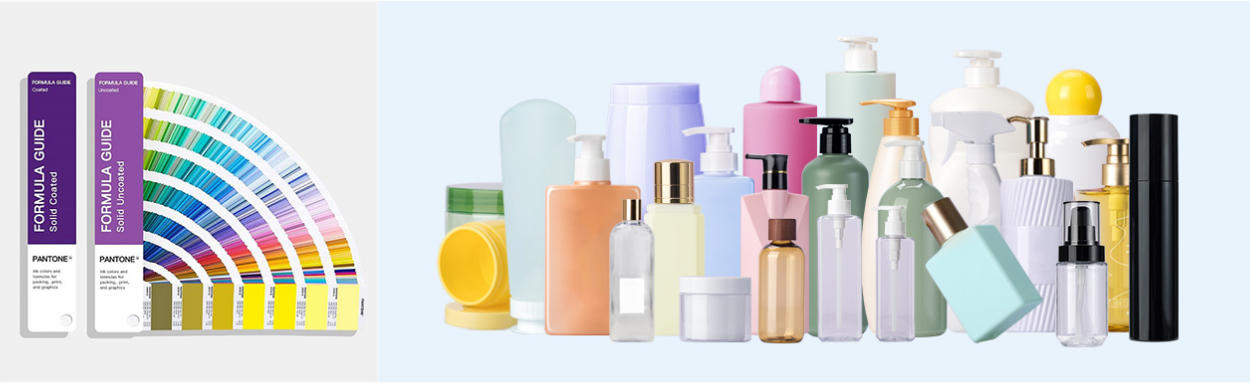
You need to make sure your cosmetic bottles work well with your beauty formulas. Some ingredients can react with certain materials, which may affect product safety and quality. Lisson’s custom cosmetic bottle packaging process includes careful testing to ensure compatibility. You can see how different materials perform with various formulations in the table below:
|
Material |
Compatibility |
Notes |
|---|---|---|
|
PET |
High |
Strong chemical resistance, suitable for many skincare products. |
|
PE |
Moderate |
Better for sensitive formulations to prevent reactions. |
|
PCR |
Variable |
Mechanical properties can affect aesthetics and protection. |
If you use sensitive ingredients, you might also consider options like airless pumps or high-density polyethylene for extra protection. Lisson offers a wide range of solutions, including PET cosmetic bottle, PCR cosmetic bottle, and PE cosmetic bottle choices, to match your product’s needs.
Sustainability is a top priority for many beauty brands. You should align your packaging choices with your sustainability goals. Leading companies like L’Oréal Group and Credo Beauty set targets to use less plastic and more post-consumer recycled plastic. Lisson supports these efforts by offering eco-friendly options such as recycled plastic bottle, sugarcane-based bottles, and sustainable cosmetic bottles. These choices help you appeal to environmentally conscious consumers and meet industry standards.
A study found that recycling PE and polypropylene reduces CO2 emissions by 22.6% compared to using new materials.
Using post-consumer recycled plastic in your cosmetic packaging bottles can lower your carbon footprint and support your brand’s sustainability message.
You need to consider cost and supply chain stability when selecting a packaging material. Recent events, such as the war in Iran, have disrupted the supply of PET, PCR, and PE. These disruptions can increase prices for virgin plastics and make recycled options more attractive. However, the market for recycled PET faces challenges with demand and pricing. Lisson’s flexible sourcing and global delivery help you manage these risks and keep your beauty products on shelves.
Your choice of cosmetic bottles shapes how customers see your brand. Research shows that consumers judge product quality based on packaging before they even try the product. The look and feel of your bottles influence their first impression. Consistent use of high-quality materials, such as a plastic skincare bottle or a luxury glass option, can signal trust and value. Lisson’s custom designs and eco-friendly packaging help you build a strong, positive brand image that stands out in the beauty market.
Tip: Align your packaging material with your brand’s values and market trends to attract loyal customers and boost recognition.
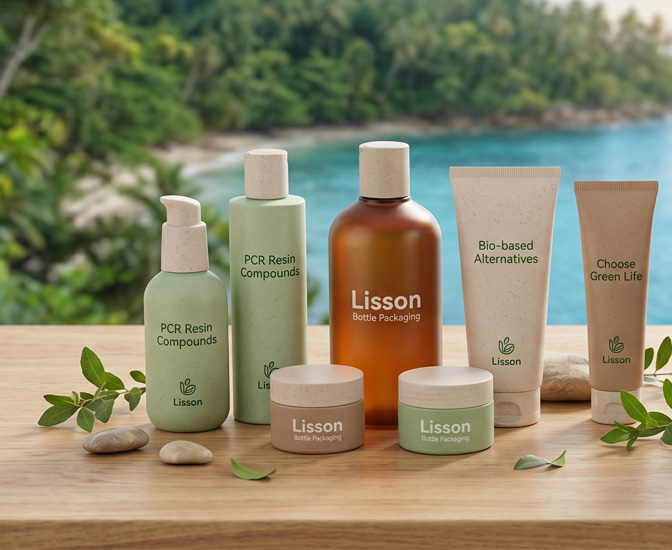
You will find that PET stands out as one of the most popular materials for cosmetic bottles. PET, or polyethylene terephthalate, offers a unique combination of clarity, strength, and safety. Many brands choose PET cosmetic bottle packaging because it gives products a premium, glass-like appearance. You can see how PET performs in the table below:
|
Property |
Description |
|---|---|
|
Chemical Stability |
PET does not easily react with acids, bases, or oils found in cosmetics. |
|
Non-Toxicity |
PET is free from harmful substances like BPA and phthalates. |
|
Lightweight and Durable |
Strong and resistant to breaking, ensuring safe transport and reduced loss. |
|
Recyclability |
Widely recycled, making it a sustainable choice. |
|
Oxygen Barrier |
Limits oxygen exposure, preventing degradation of sensitive ingredients. |
|
Moisture Barrier |
Maintains product consistency by preventing moisture exchange. |
|
UV Protection |
Additives can be used to block UV light, protecting sensitive formulas. |
PET provides exceptional clarity, which makes your packaging visually appealing. You can use bottle-grade pet for haircare, skincare, and even luxury products. PET also works well with most cosmetic solvents, so you can trust it for a wide range of formulas.
PET offers a glass-like look that attracts customers.
PET cosmetic bottle options from Lisson support both standard and custom designs.
PCR, or post-consumer recycled pet, is an eco-friendly material made from recycled plastic bottle waste. You can use PCR cosmetic bottle packaging to show your commitment to sustainability. PCR helps reduce landfill waste and supports the circular economy. Here are some key features:
|
Advantages |
Limitations |
|---|---|
|
Eco-Friendly Appeal |
Cost |
|
Customer Loyalty |
Color Variations |
|
Regulatory Compliance |
Supply and Demand |
PCR can cost more than virgin resin.
The natural tint of PCR may affect the final look of your packaging.
PCR cosmetic bottle options from Lisson help you meet regulatory requirements and appeal to eco-conscious consumers.
Using PCR supports environmental goals and strengthens your brand image.
PE, or polyethylene, is another popular choice for cosmetic bottles. You can choose between HDPE (high-density) and LDPE (low-density) depending on your needs. PE cosmetic bottle packaging offers flexibility and durability. The table below compares the two types:
|
Property |
HDPE |
LDPE |
|---|---|---|
|
Durability |
High strength, impact resistant |
Less rigid, may affect durability |
|
Flexibility |
Less flexible, not ideal for squeezing |
Highly flexible, ideal for squeezing |
|
Chemical Resistance |
Excellent resistance to chemicals |
Good resistance, slightly lower than HDPE |
|
Transparency |
Opaque, limits visibility |
More translucent, allows visibility |
|
Weight |
Heavier |
Lightweight, ideal for travel |
PE works well for products that need a squeezable bottle, such as lotions or cleansers. You can rely on PE for a plastic skincare bottle that is both practical and safe. Lisson offers a wide range of PE cosmetic bottle solutions to match your product’s requirements.
Note: Lisson’s advanced manufacturing ensures that every PET, PCR, and PE bottle meets high standards for quality and sustainability.
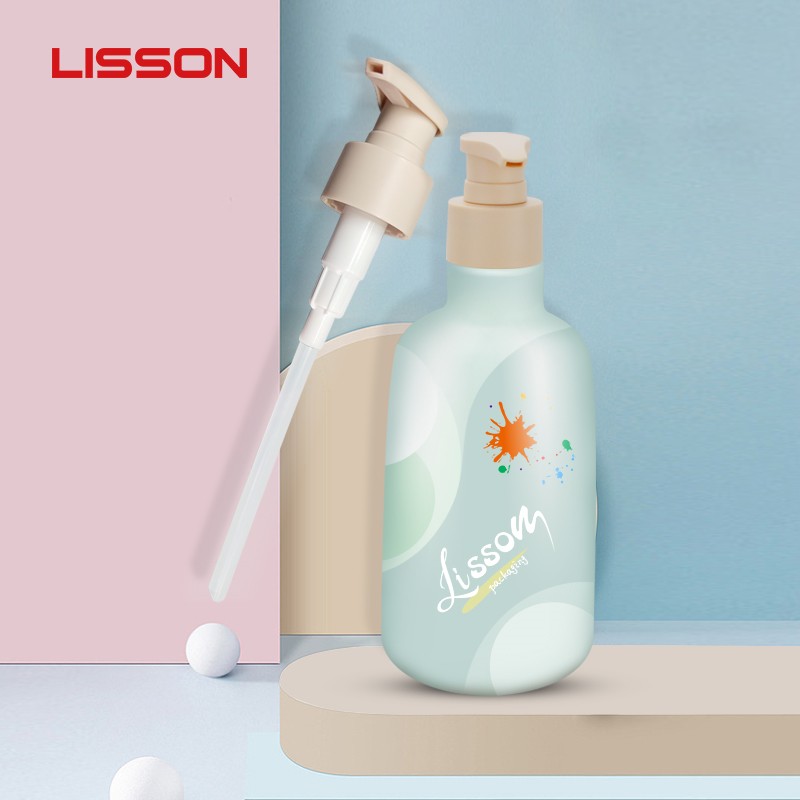
You want your cosmetic bottles to protect your beauty products during shipping and daily use. PET bottles show strong compressive strength, which helps them resist buckling in drop tests. This makes PET a reliable choice for packaging that needs to withstand impacts. When you use PCR in your bottles, you may notice a slight change in strength, especially if the recycled content has a lower molecular weight. PE bottles also perform well in drop and leakage tests, making them suitable for long-term storage. You can trust Lisson’s PET cosmetic bottle, PCR cosmetic bottle, and PE cosmetic bottle options to pass strict quality checks for durability.
Sustainability matters in the beauty industry. PET, PCR, and PE all support eco-friendly goals through recyclability and design for recycling. PET stands out as a recyclable material, and you can find many recycled plastic bottle options on the market. PCR bottles use post-consumer content, which reduces waste and supports the circular economy. PE bottles are also recyclable and fit well with design for recycling strategies. By choosing these materials, you help your brand meet sustainability targets and appeal to eco-conscious consumers. Lisson offers a wide range of eco-friendly packaging solutions to support your goals.
You want your packaging to reflect your brand’s beauty and style. PET gives you a clear, glass-like look that attracts customers. PCR bottles may have a slight tint, but you can still achieve a premium appearance with the right design. PE bottles offer flexibility in shape and finish, making them ideal for plastic skincare bottle applications. You can customize your bottles with a variety of colors, finishes, and closures. The table below shows some popular customization options:
|
Customization Type |
Description |
|---|---|
|
Color and Finish |
Choose from clear, frosted, or matte to match your brand’s image. |
|
Labeling and Printing |
Add logos and product details with high-quality printing techniques. |
|
Custom Closures |
Select spray pumps, lotion pumps, or flip-top caps for user convenience. |
|
Brand Decoration |
Use custom colors, logo printing, and special finishes for a unique design. |
You can use Lisson’s advanced printing and molding to create packaging that stands out in the beauty market.
Cost plays a big role in your packaging decisions. As demand for bioplastics and recyclable materials grows, producers increase capacity, which lowers prices through economies of scale. PET and PE bottles benefit from this trend, making them more affordable for beauty brands. PCR bottles may cost more due to the recycling process, but they offer strong value for brands focused on sustainability. You can balance cost, quality, and eco-friendly features by working with a partner like Lisson, who offers flexible solutions for every budget.
Tip: Choose materials and designs that support both your brand’s image and your sustainability goals for long-term success.
You need to start by understanding the unique requirements of your beauty product packaging. The right material depends on several criteria, including packaging style, product viscosity, dispensing mechanisms, and compatibility with your formula. You can use the following table to guide your assessment:
|
Criteria |
Description |
|---|---|
|
Packaging Style |
Choose bottles, jars, or tubes based on product type and usage. Eye creams often use jars, shampoos use bottles. |
|
Packaging Material |
Select PET, PE, glass, or metal depending on product composition and brand aesthetic. Each material offers unique benefits. |
|
Dispensing Mechanisms |
Pick pumps, caps, or sprayers to match container size and product dosage. |
|
Product Viscosity |
Consider how thick or thin your product is. Viscosity affects container and dispensing mechanism selection. |
You must ensure that your cosmetic bottles protect your beauty formulas and deliver the product safely. The FDA requires packaging to be safe for its intended use and not react with the product. For example, PET cosmetic bottle and PE cosmetic bottle options from Lisson offer strong chemical compatibility and durability. Glass bottles provide a premium look but may not suit travel needs. Metal bottles work well for high-end beauty products. You should also consider the dispensing mechanism, such as pumps or sprayers, to match the viscosity and usage of your product.
Plastic bottles, including PET and PE, are lightweight and cost-effective.
Glass bottles offer a luxury feel but are heavier and fragile.
Metal bottles provide robust protection for sensitive beauty products.
You need to match the packaging material to your product’s formulation and intended use. Lisson’s custom development process helps you test compatibility and select the right material for your beauty product packaging.
You should align your packaging choices with current trends and your brand’s values. The beauty industry is moving toward eco-friendly and luxury packaging. Consumers want sustainable options and premium designs. You can see these trends in the following list:
Brands are adopting eco-friendly materials, such as PCR cosmetic bottle and recycled plastic bottle options.
Biodegradable and recyclable packaging is becoming more popular.
Demand for luxury beauty products is rising, with consumers seeking high-quality packaging.
Innovative designs and high-end materials enhance the luxury appeal of beauty products.
Major companies, such as L’Oréal Group and Credo Beauty, focus on sustainability by using PCR materials and eliminating single-use products. APC Packaging uses mono-material collections with 100% PET or PP. Bioplastics and plant-based resins offer new eco-friendly alternatives. You can use Lisson’s eco-friendly packaging solutions, including PCR cosmetic bottle and PE cosmetic bottle options, to meet these market demands.
Your brand image depends on the packaging you choose. You need to select materials and designs that reflect your values and appeal to your target customers. Lisson provides advanced printing and molding to help you create unique, luxury packaging that stands out in the beauty market.
Tip: Stay updated on market trends and consumer preferences to ensure your packaging supports your brand’s growth.
You can follow a step-by-step process to select the right material for your cosmetic bottles. This guide helps you match your product and brand requirements:
Discovery & Brief
Share your product goals, visual references, sustainability needs, and desired positioning with your packaging partner. Lisson analyzes your project and advises on formats and materials.
Component Selection
Choose the ideal bottle type, closure, and dispensing mechanism. Match functional needs with visual appeal. For example, select PET cosmetic bottle for clarity and durability, PCR cosmetic bottle for eco-friendly branding, or PE cosmetic bottle for flexibility.
Decoration Development
Define finishes, color schemes, printing needs, and texture preferences. Use custom colors, logo printing, and special finishes to enhance your beauty product packaging.
Prototyping
Produce functional and decorated prototypes. Test compatibility, aesthetics, and usability. Lisson’s process includes sample production and testing to ensure quality.
Production & Quality Control
Move approved components into mass production. Use automated bottle blowing and injection molding for consistency. Lisson ensures traceability and quality control for every batch.
Final Delivery
Prepare orders for global distribution. Ensure safe transport and accurate delivery of your cosmetic bottles.
You need to consider sustainability at every step. Eco-friendly materials, such as PCR and recycled plastic bottle options, help you meet environmental goals. Luxury finishes and innovative designs support your brand’s premium image. Lisson offers flexible solutions, including plastic skincare bottle and PE cosmetic bottle options, to match your needs.
Note: Selecting packaging is not just about material. You must balance product safety, sustainability, cost, and brand image. Use Lisson’s expertise to guide your decision and elevate your beauty packaging.
When you choose between PET, PCR, or PE for cosmetic bottles, focus on your product’s needs, sustainability goals, and brand image. You should work with packaging experts who understand compliance and new material technologies. Build strong relationships with suppliers and select ISO-compliant materials for safety. Stay informed about packaging trends so your brand remains competitive and meets consumer expectations. For extra support, use a checklist or consult with a knowledgeable partner like Lisson.
PET cosmetic bottles use new plastic, while PCR cosmetic bottles use recycled plastic bottle material. PET offers clarity and strength. PCR supports sustainability and reduces waste. You can choose based on your brand’s eco goals and product needs.
Yes. PE cosmetic bottles provide strong chemical resistance and flexibility. You can use them for lotions, cleansers, and other plastic skincare bottle applications. Lisson tests all materials to ensure safety and compatibility with your formulas.
Using a recycled plastic bottle shows your commitment to sustainability. Customers value eco-friendly packaging. You can improve your brand image and meet environmental goals by choosing PCR cosmetic bottle or PE cosmetic bottle options from Lisson.
Absolutely! Lisson offers custom shapes, colors, and finishes for PET cosmetic bottle, PCR cosmetic bottle, and PE cosmetic bottle packaging. You can add your logo, select special textures, and create a unique design that matches your brand.
Lisson provides expert support, advanced manufacturing, and a wide range of eco-friendly options. You can trust their quality control and flexible solutions for PET cosmetic bottle, PCR cosmetic bottle, and plastic skincare bottle needs.