what are you looking for?

Beauty packaging is changing. Consumers are paying more attention to what happens to a cosmetic container after the product inside has been used, while beauty brands are looking for packaging that can support both a strong product experience and a more responsible approach to material use. This is one reason refillable plastic cosmetic bottles are becoming an increasingly relevant option for skincare, haircare, body care, sunscreen, hand cream, and other beauty products.
A refillable cosmetic bottle is designed around a simple idea: the outer package can remain in use while the product is replenished through a refill system, replaceable inner container, or compatible refill component. The exact structure can vary by product, formula, dispensing system, and brand requirements. Unlike a conventional single-use package, a well-designed refillable system considers the entire packaging experience, including durability, dispensing, cleaning, product compatibility, appearance, and the practicality of replacing the product.
For beauty brands, this creates an opportunity to think beyond the bottle itself. The packaging becomes part of the product's long-term user experience. For consumers, the benefit can be equally straightforward: keep the package they like, replace what is inside, and avoid purchasing an entirely new outer package every time.
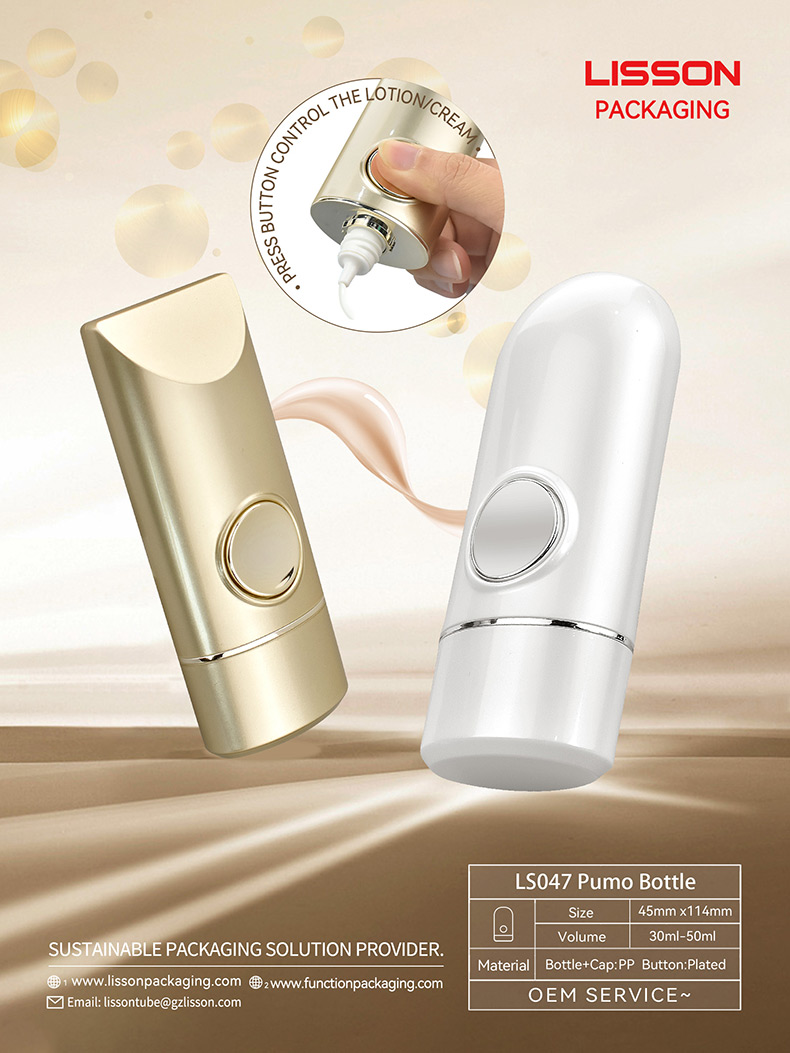
Refillable plastic cosmetic bottles are reusable or refill-oriented packaging systems made to accommodate repeated product replenishment. They can be developed in different shapes, sizes, materials, and dispensing formats depending on the application. A skincare brand may require a refillable bottle for serum or lotion, while a haircare company may need a larger format for shampoo or conditioner.
Plastic is particularly interesting for refillable packaging because it gives manufacturers considerable freedom in shape, wall thickness, decoration, closure selection, and dispensing mechanisms. Materials such as PE, PP, PET, and PETG can be considered depending on the formula and performance requirements. Lisson Packaging's current product portfolio includes multiple plastic bottle formats, including PP, PE, PET/PETG and other cosmetic packaging options.
If you are comparing different plastic structures for your next packaging project, you can explore Lisson's cosmetic plastic bottle collection to see how different bottle formats can be matched with cosmetic applications.
One of the clearest reasons brands consider refillable packaging is the potential to reduce the amount of packaging required over the life of a product. With a conventional package, the bottle, cap, pump, label, and other components may all be replaced when the consumer purchases another unit. A refill system changes that model by allowing some components to remain in service.
The environmental benefit should not be described as automatic. A refillable package only makes sense when consumers actually reuse the primary components and when the refill process is practical. The design also needs to account for material selection, transportation, manufacturing, cleaning requirements, and end-of-life considerations.
This is why refillability works best as part of a broader packaging strategy. A brand can look at lightweight construction, recycled materials, simplified components, efficient logistics, and long-term reuse together rather than treating “refillable” as the only sustainability metric.
Lisson Packaging places sustainability within a wider packaging approach that includes PCR-PE, PCR-PET, lightweight designs, aluminum components, and other packaging options. For brands interested in this direction, the Lisson sustainable cosmetic packaging solutions provide a useful starting point for comparing different approaches.
Refillable packaging needs to be designed for repeated interaction. That means the package has to be comfortable to hold, easy to open or replace, visually consistent, and sufficiently durable for the intended use. Plastic can provide useful design flexibility in each of these areas.
Cosmetic brands can choose between different bottle profiles, capacities, neck finishes, closures, pumps, surface treatments, and decoration methods. A refillable system can therefore be designed around the actual beauty product instead of forcing every product into the same packaging structure.
This matters especially for brands with several product categories. A skincare line might use 30ml or 50ml packaging for serum and treatment products, while body lotion or shampoo may require significantly larger capacities. Keeping a consistent design language across different formats can help create a recognizable product family.
Lisson currently offers plastic packaging across several material families and bottle formats. Its complete cosmetic bottle and jar product range can be reviewed when building a packaging portfolio rather than selecting a single bottle in isolation.
Packaging is part of how consumers interact with a beauty product. A bottle that feels comfortable in the hand, dispenses the right amount, stores easily, and can be replenished without unnecessary steps can become part of a daily routine.
This is especially relevant for products used frequently. Think about facial cleanser, body lotion, shampoo, hand cream, sunscreen, or liquid soap. These products may be purchased repeatedly throughout the year. If the outer package is durable and visually appealing, a refill model gives the consumer a reason to keep using it rather than treating every purchase as a completely new package.
The dispensing system is equally important. A refillable bottle with a poor pump or an awkward refill process can quickly become inconvenient. For formulas where controlled dosing matters, a pump or airless dispensing mechanism may provide a better experience than a simple screw-cap bottle.
Not every refillable cosmetic bottle needs to be airless, but airless technology can be valuable when the formula is sensitive to air exposure or when precise dispensing is important.
An airless bottle uses a vacuum-based dispensing mechanism rather than relying on a conventional dip tube. As the product is dispensed, an internal piston or diaphragm moves to help push the formula toward the pump. This design can reduce the amount of air entering the package during normal use and can also help consumers dispense the product without directly touching the formula.
Lisson describes airless bottles as suitable for products such as serums, lotions, creams, and other formulations where protection from air exposure and controlled dispensing are important. Its airless product range includes multiple sizes and designs for skincare applications.
For brands evaluating this packaging format, the Airless Bottle collection provides more information about available airless packaging structures.
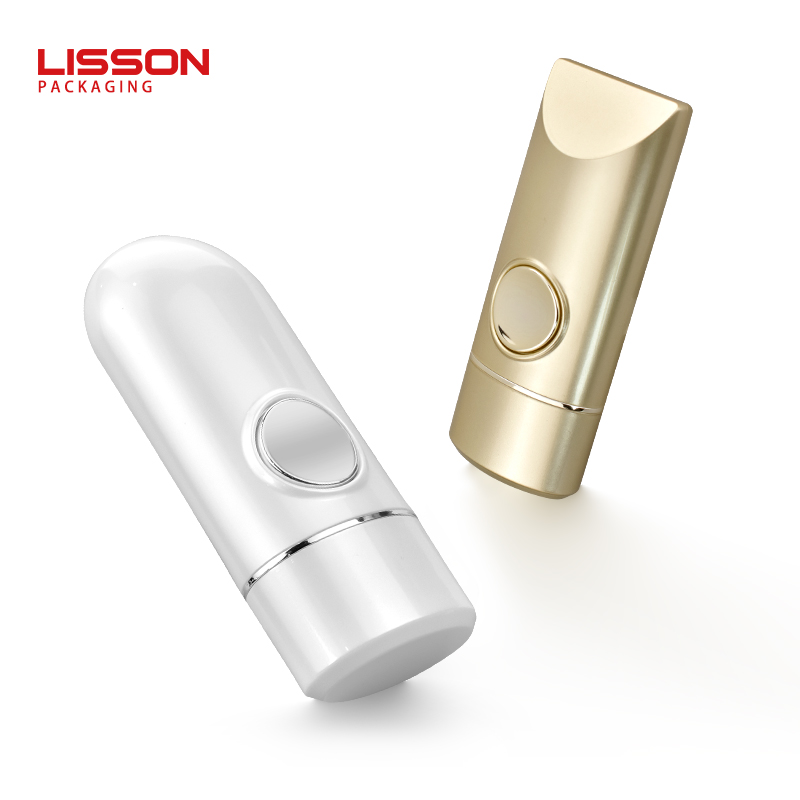
A refillable system can also become a branding tool. Instead of redesigning the complete package for every purchase, a brand can create a recognizable outer bottle and use refill packaging to maintain visual consistency across the product lifecycle.
This can be particularly useful for premium skincare brands. A high-quality outer bottle may feature a distinctive shape, custom color, metallic decoration, matte surface, frosted finish, or carefully designed pump. The refill component can then focus more heavily on efficient product replacement while the main package continues to communicate the brand's identity.
Customization is important here because beauty packaging often has to perform two jobs at the same time: protect the formula and communicate the product's positioning. Lisson supports options such as custom colors, surface finishes, printing, labeling, hot stamping, and customized bottle profiles.
Brands that already have a bottle concept but need help turning it into a manufacturable package can also review Lisson's custom cosmetic packaging service for bottle design, mold development, decoration, closure selection, prototyping, and production support.
“Plastic bottle” is not a single material category. The choice between PE, PP, PET, PETG, recycled plastic, or a multilayer structure should be based on the formula, appearance, mechanical requirements, dispensing system, barrier requirements, and target market.
PE and HDPE are often considered when durability, chemical resistance, and practical cosmetic packaging are important. They can work well for lotions, creams, sunscreen, body care, and other everyday formulations.
PP can be used for bottles, closures, pumps, and other packaging components. Its versatility makes it useful when a package requires a combination of rigidity and functional components.
PET and PETG can be attractive when appearance and transparency are important. Clear or premium-looking packaging can help showcase the product while giving brands additional options for shape and decoration.
For brands looking specifically at material options, Lisson's plastic and cosmetic packaging product range includes multiple bottle types and material configurations.
Refillability should never come at the expense of product protection. A cosmetic package has to match the formula's specific requirements. Products containing light-sensitive or oxygen-sensitive ingredients may need additional protection beyond the basic bottle structure.
One example from Lisson is its 30ml and 50ml HDPE bottle with an EVOH layer. The product is designed for sunscreen and hand cream applications and uses a barrier layer intended to provide additional protection for the formula.
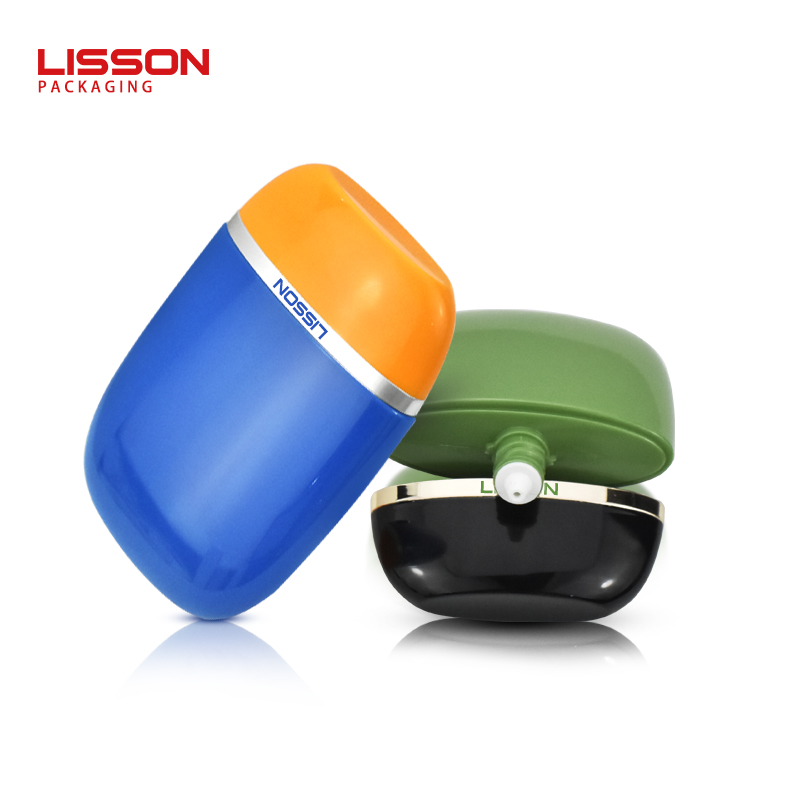
If barrier performance is part of your packaging specification, you can review the 30ml and 50ml EVOH-layer HDPE bottle as one example of how material engineering can be incorporated into cosmetic packaging.
A major advantage of refillable plastic cosmetic bottles is that the concept is not limited to one type of beauty product. The right structure can be developed for a wide range of applications.
The important point is that the packaging system should be developed around the formula and use case. A 30ml serum bottle and a 300ml shampoo bottle have very different dispensing, handling, transportation, and refill requirements. A good cosmetic packaging manufacturer should therefore be able to provide multiple formats rather than a one-size-fits-all solution.
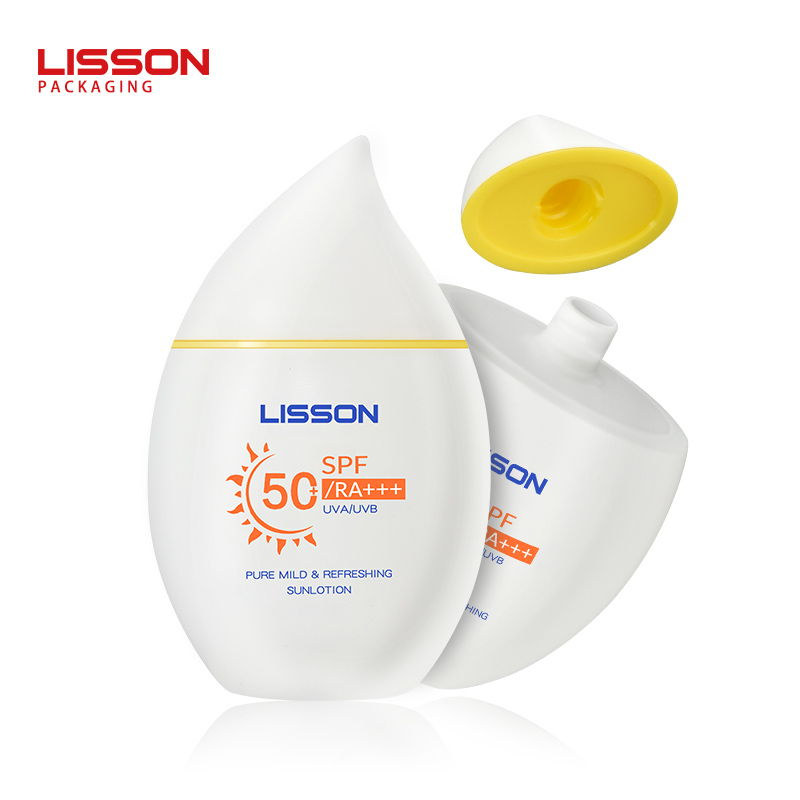
Refillable packaging and recycled plastic address different parts of the packaging lifecycle, so they can also be considered together.
A refill system focuses on keeping part of the packaging in use for longer. PCR, or post-consumer recycled plastic, focuses on incorporating recycled material into a new packaging component. Depending on the package structure and technical requirements, a brand may consider refillability, recycled content, lightweighting, or a combination of these approaches.
Lisson currently highlights PCR-PE and PCR-PET as part of its sustainable packaging options. The company also discusses lightweight bottle structures and alternative components such as aluminum and bamboo-related closures as part of its sustainability strategy.
The right approach depends on the product and the brand's sustainability objectives. Instead of simply adding a “green” claim to the label, brands can evaluate material sourcing, packaging weight, refill frequency, transportation efficiency, durability, and end-of-life options as one connected system.
For a cosmetic brand, choosing refillable packaging is not only a sustainability decision. It is also a manufacturing decision.
The bottle has to be compatible with the filling process, closure, pump, formula viscosity, decoration method, shipping conditions, and target market. If the brand wants a proprietary appearance, the manufacturer may also need to develop a custom mold or modify an existing structure.
Lisson Packaging positions itself as an OEM/ODM cosmetic packaging manufacturer, supporting bottle profile design, mold development, surface treatment, decoration, cap and pump selection, prototyping, compatibility testing, mass production, and global distribution. This integrated model can be useful for brands that want to develop refillable packaging as part of a larger product launch rather than sourcing individual components from multiple suppliers.
For example, a brand launching a new skincare line could begin with a 30ml serum package, a 50ml cream bottle, and a larger body-care format. Maintaining common design elements across these packages can make the range look cohesive while allowing each bottle to use the dispensing structure most appropriate for its formula.
Refillable packaging is not automatically the right choice for every cosmetic product. Before moving into production, brands should evaluate several practical questions.
Formula compatibility: Does the bottle material interact with the formula? Does the product require additional barrier protection?
Refill mechanism: Can consumers replace the product easily without creating leaks, contamination, or excessive packaging?
Dispensing: Is a pump, airless pump, spray, dropper, squeeze mechanism, or screw cap most appropriate?
Durability: Can the reusable component withstand the intended period of use and normal handling?
Cleaning: If the design requires cleaning between refills, is that process realistic for consumers?
End-of-life: Can the packaging components be separated, recycled, reused, or otherwise managed appropriately?
These questions are important because a refillable package has to work in the real world. A concept can look sustainable on paper but still fail if consumers find the refill process complicated or if the packaging is difficult to manufacture consistently.
The difference is not simply “reusable versus disposable.” The more useful comparison is how the entire packaging system behaves over repeated purchases.
| Packaging Factor | Refillable Plastic Packaging | Traditional Packaging |
|---|---|---|
| Repeat purchase | Can retain part of the outer package | Usually replaces the package with each purchase |
| Brand experience | Outer package can remain consistent | New complete package at each purchase |
| Design flexibility | High, depending on refill architecture | Generally high |
| Consumer convenience | Depends heavily on refill design | Usually straightforward |
| Sustainability potential | Can support reduced packaging consumption when reused | Depends on materials, weight, recycling, and disposal |
Refillable packaging requires more than an attractive bottle. It needs a manufacturer that understands materials, dispensing components, tooling, decoration, production, and product compatibility.
Lisson Packaging currently operates as a cosmetic bottle and jar manufacturer with plastic bottles, airless bottles, acrylic bottles, pump bottles, dropper bottles, glass bottles, cosmetic jars, and bottles with specialized applicators. The company states that it operates a 30,000m² manufacturing facility and supports OEM and ODM packaging development for global beauty and personal care brands.
This broader manufacturing capability matters because a refillable cosmetic package may eventually need to evolve. A brand might begin with a standard plastic bottle, then introduce an airless version, a premium acrylic outer package, a PCR option, or a larger body-care format. Working with a supplier that already understands these different packaging categories can make product-line expansion more straightforward.
Lisson's current product portfolio also includes practical examples such as its 60ml HDPE lotion bottle for sunscreen and hand cream, available with different surface finishes and customization options. You can view the 60ml HDPE lotion bottle to see how a functional cosmetic package can combine material selection, ergonomic shape, decoration, and application-specific design.
A useful way to select packaging is to work backward from the product rather than starting with the appearance of the bottle.
First, define the formula and its sensitivity. Determine whether the product needs protection from oxygen, light, moisture, or physical contamination. Next, determine the viscosity and dispensing requirements. A thin serum may require a dropper or treatment pump, while a thicker cream may be better suited to a lotion pump or airless system.
Then consider the intended capacity and usage frequency. Small 15ml, 30ml, and 50ml formats can work for concentrated skincare products, travel-friendly products, or treatment formulas. Larger bottles may be more appropriate for body care, shampoo, conditioner, or family-size products.
After that, evaluate the refill architecture. Decide which component is intended to remain in use and which component will be replaced. The refill should be easy enough for consumers to understand without requiring complicated instructions.
Finally, consider the visual identity. A refillable package still needs to look like your brand. Bottle shape, color, finish, printing, cap design, pump style, and label area can all contribute to a recognizable packaging system.
Are refillable plastic cosmetic bottles more sustainable?
They can be, particularly when the reusable component is actually reused over multiple product cycles and the refill system reduces overall packaging consumption. However, sustainability depends on the complete packaging lifecycle, including materials, manufacturing, transportation, reuse rate, and end-of-life management.
What plastic is best for refillable cosmetic bottles?
There is no universal best plastic. PE, HDPE, PP, PET, PETG, PCR plastics, and multilayer structures can serve different purposes. The correct choice depends on formula compatibility, barrier requirements, appearance, durability, dispensing mechanism, and manufacturing requirements.
Can airless bottles be used in refillable cosmetic packaging?
Airless technology can be incorporated into refill-oriented packaging concepts, but the exact refill architecture needs to be engineered around the pump, piston or diaphragm, bottle body, refill component, formula, and filling process. Airless packaging can be particularly useful for formulas where controlled dispensing and reduced air exposure are important.
What beauty products are suitable for refillable packaging?
Potential applications include facial cleansers, serums, moisturizers, creams, sunscreen, hand cream, body lotion, shampoo, conditioner, hair treatments, and other personal care products. The most appropriate structure depends on the product's viscosity, formula sensitivity, dosage, and expected usage pattern.
Can refillable cosmetic bottles be customized?
Yes. Depending on the manufacturer and bottle structure, customization may include bottle shape, capacity, color, surface finish, printing, labeling, cap, pump, applicator, and other components. For OEM and ODM projects, custom molds can also be developed when an existing bottle does not meet the brand's requirements.
What should a cosmetic brand ask a packaging manufacturer?
Ask about material compatibility, available bottle sizes, refill structure, dispensing performance, barrier requirements, minimum order quantity, mold development, decoration options, sampling, quality testing, production lead time, and international shipping. It is also useful to ask whether the manufacturer can support the entire packaging development process rather than supplying only an empty bottle.