Choosing the right cosmetic plastic bottles is very important. It can help your product do well or fail. You need packaging that matches your formula. It should look nice and protect your product. Some people make quick choices. They pick bottles only because they look cool or are cheap. They forget about sealing the bottle. They do not check if the cap fits. They also do not see if the supplier can be trusted. Do not make these mistakes. Make good choices so your customers will be happy.
Key Takeaways
Know what your product needs before picking packaging. Make sure the bottle fits your formula for safety and works well. Test your product with the packaging to stop leaks and check if they work together. Even small ingredient changes can change how they mix. Pick eco-friendly materials to attract people who care about the environment. Using sustainable packaging can make your brand look better. Choose the best closure and way to use your product. This makes it easier to use and keeps it safe. Work with suppliers you trust who care about quality and safety. A good supplier can help your brand grow and follow rules.
Understand Your Product and Packaging Needs
To pick the right packaging, you must know your product well. You want your cosmetic to stay fresh and safe. It should also be simple for people to use. The packaging must fit what your product needs.
Product Formulation and Compatibility
Your product’s formula can react with some packaging materials. Some ingredients might damage plastics or make them leak. You do not want leaks or broken bottles. Always test your formula with the packaging before you sell it.
Here is a table that shows how different plastics work with different formulas:
|
Plastic Type |
Properties |
Compatibility Notes |
|---|---|---|
|
Polyethylene (PE) |
Flexible, low cost, good moisture resistance |
Works for many products, but some formulas may interact |
|
High-Density Polyethylene (HDPE) |
Rigid, sturdy, common for shampoo bottles |
Great for products that need strong packaging |
|
Low-Density Polyethylene (LDPE) |
Softer, squeezable |
Not always best for every formula |
|
Polypropylene (PP) |
Handles heat well |
Good for heat-sensitive products, but check for solvent issues |
Tip: Always test your exact formula with the packaging. Even small changes in your ingredients can change how your product acts with the bottle.
Packaging Requirements by Product Type
Different products need different packaging. The type of cosmetic packaging you pick depends on what you are selling. Lotions, serums, and creams all need different things.
|
Product Type |
Best For |
Materials |
Dispensing Options |
|---|---|---|---|
|
Jars |
Face creams, body butters, scrubs |
Glass, Plastic |
Screw-on caps, press lids |
|
Bottles |
Serums, foundations, cleansers, lotions |
Glass, Plastic |
Pump, sprayer, standard cap |
|
Tubes |
Hand creams, sunscreens, cleansers |
Plastic |
Squeezable, hygienic |
|
Droppers |
Serums, facial oils, essential oils |
Glass, Plastic |
Dropper for precision |
You also need to think about how thick your product is. Thick creams need jars or tubes you can squeeze. Thin serums work better in bottles with droppers or pumps. If your product does not like heat or cold, pick packaging that keeps it safe from temperature changes. Some products need special packaging to stay safe in hot or cold weather.
-
Match packaging to how thick your product is to stop waste and mess.
-
Use checks during filling to keep your product the same every time.
-
Pick the right filling machine for your product’s thickness.
-
For products that do not like heat or cold, choose packaging that keeps them safe when shipping.
The right packaging keeps your cosmetic safe and easy to use. It also makes your product look good on the shelf. When you know what your product needs, you can pick the best cosmetic packaging every time.
Types of Cosmetic Packaging and Materials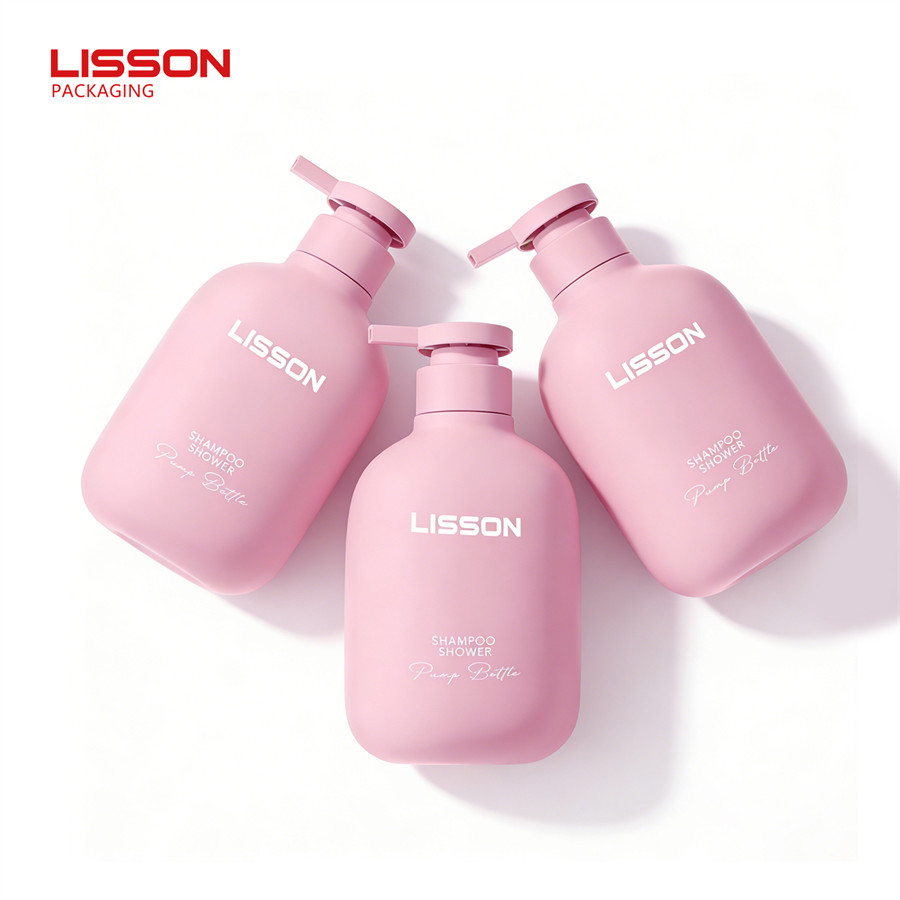
When you look for packaging, you will see many options. Each material has good and bad points. Some bottles are clear and shiny. Others feel strong and tough. You should pick what fits your product and brand best.
Comparing Cosmetic Plastic Bottles: PET, HDPE, and More
Let’s talk about the most used packaging materials in cosmetics. PET and HDPE are very common. You will also find polypropylene (PP) and new bioplastics. Each material is different and has its own use.
Here is a quick look at how these materials are doing in the world:
-
Polypropylene (PP) will have the biggest market share at 30% in 2025.
-
PET packaging is very popular. It will be worth $44.45 billion in 2025 and will keep growing.
-
Bioplastics are becoming more popular and will grow a lot from 2026 to 2035.
-
The cosmetic packaging market will reach $12.7 billion in 2025 and will get even bigger.
Now, let’s see how PET and HDPE are different. This table shows their main features:
|
Property |
PET |
HDPE |
|---|---|---|
|
Molecular Structure |
More complex, linear and ordered |
Long chains of carbon atoms |
|
Clarity |
Excellent clarity, allows visibility |
Less clarity |
|
Flexibility |
More flexible, deforms easily |
Less flexible, requires more force |
|
Melting Point |
Lower (240 - 260°C) |
Higher (120 - 130°C) |
|
Surface Texture |
Slightly waxy feel |
Smooth surface, firm touch |
|
Barrier Properties |
Better against gases like oxygen |
N/A |
PET bottles are clear and show your product inside. They are light and bend easily. HDPE bottles are firmer and last longer. They are good for products that need more protection. PP bottles are also used a lot. They can handle heat and keep products stable.
You may wonder about the environment and these materials. Here is a table to help you compare:
|
Material |
Recyclability |
Environmental Impact |
Biodegradability |
|---|---|---|---|
|
HDPE |
Yes |
Low greenhouse gas emissions, energy-efficient |
Not biodegradable, long breakdown time |
|
PET |
Yes |
Contributes to microplastic pollution, fossil-based |
Not biodegradable, long persistence in environment |
-
HDPE can be made into new things, which saves resources.
-
PET is easy to recycle and can become clothes or new bottles.
Both PET and HDPE can be recycled, but they affect the earth in different ways. HDPE makes less greenhouse gas and uses less energy. PET comes from fossil fuels and can cause microplastic problems if not recycled.
Tip: If you want to follow new trends, watch bioplastics. These new materials are growing fast and can help your brand look eco-friendly.
Best Cosmetic Packaging Material for Your Product
You want to pick the best packaging for your product. Think about what your product needs. Does it need to stay fresh for a long time? Do you want people to see the product inside? Will your product travel a lot or stay on a shelf?
Here are some things to think about:
-
Product Safety: PET lets people see your product and looks nice. HDPE is stronger and keeps your product safe from bumps.
-
Brand Image: PET bottles look modern and clean. HDPE bottles feel strong and professional. PP bottles can take heat and keep products stable.
-
Sustainability: PET and HDPE can both be recycled. If you want to help the planet, use recycled materials or try bioplastics.
-
Functionality: Think about how people will use your product. Soft bottles are easy to squeeze. Hard bottles protect thick creams. The right packaging makes your product easy to use and keeps it safe.
You can also use more than one material. Some brands use PET for the bottle and PP for the cap. This gives you the best mix.
Note: Always test your product with the packaging you pick. Some formulas can react with some plastics. Testing helps you stop leaks or changes in your product.
When you know what each material does best, you can choose the right one for your product. This helps your brand look good, keeps your product safe, and helps the planet.
Design, Closures, and Functionality
Bottle Shape, Size, and Branding
You want your cosmetic bottle to stand out. The shape and size of your packaging do more than just hold your product. They show your brand’s values and promises. When you pick a unique bottle shape, you help your product get noticed. Here’s what happens when you choose the right design:
-
Your packaging can boost trust and loyalty from customers.
-
Unique shapes make your product easy to spot and remember.
-
A special bottle can grab 30% more attention on the shelf.
-
People often share cool packaging on social media, which helps your brand grow.
-
Ergonomic shapes feel good in the hand and make using your product easy.
If you want your brand to look modern, try a refillable bottle. Refillable packaging shows you care about the planet and keeps customers coming back.
Tip: A well-designed bottle can make people feel good about buying and using your product.
Closures and Dispensing Options
The closure you choose matters a lot. It keeps your product safe and makes it easy to use. Here are some popular options:
-
Pump: Great for lotions and liquid foundations. You get just the right amount, and it stays clean.
-
Sprayer: Perfect for mists and perfumes. It gives a fine, even spray.
-
Standard cap: Simple screw-on or flip-top caps work well for cleansers and toners.
-
Flip-top cap: Quick to open and close, good for busy mornings.
-
Specialty closures: Some products need special closures for extra safety or style.
Pumps and caps help stop waste and keep your product fresh. If you want to add value, think about a refillable pump or cap. Customers love packaging they can use again.
Specialty Packaging: Airless and Protective Bottles
Some products need extra care. Airless bottles use a vacuum system to keep air out. This helps stop germs and keeps your product strong. Sensitive creams, serums, and gels last longer in airless packaging. You protect your formula from air and bacteria, so it stays fresh.
Empty airless bottles also make it easy to get every last drop. You waste less and get more value. If you sell luxury or sensitive products, airless packaging can help your brand look high-end and trustworthy.
Note: Many brands now use refillable and multi-use packaging to help the environment and make life easier for customers.
Sustainable Packaging Choices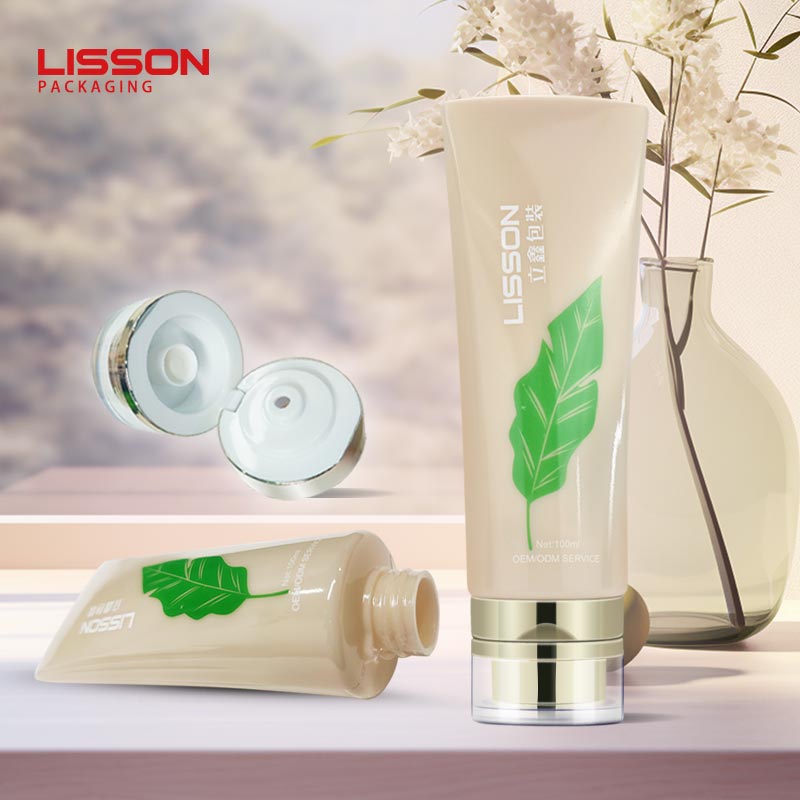
Eco-Friendly Materials and Recyclability
You have lots of ways to make packaging better for the earth. Using eco-friendly materials helps nature and shows you care. Some packaging comes from plants or recycled stuff. You can even use seaweed for packaging! Here are some common choices for recyclable and biodegradable packaging:
-
Bamboo is strong and breaks down easily. It works well for jars and caps.
-
Bio-PE or Bio-PET comes from sugarcane. People use it for bottles.
-
Corn-based bioplastics (PLA) can be composted. They are good for jars and wraps.
-
Rice husk is tough and breaks down on its own. It is used for containers.
-
Cork is special and comes from trees. It is used for caps or decorations.
-
Mycelium grows from mushrooms and can be composted. It protects products in packaging.
-
Soybean-based plastics are light and break down naturally.
-
Hemp fiber is mixed with paperboard for packaging that can be recycled.
-
Seaweed breaks down fully. It is used for films or coatings.
-
Beeswax is natural and breaks down easily. It is used as a coating.
-
Cornstarch is biodegradable and recyclable. It is used for lotion bottles.
You can also use PCR bottles. These bottles are made from recycled plastic. They help keep trash out of landfills and save energy. Paper packaging is another good choice. It can be recycled and breaks down easily.
Here is a quick look at how sustainable packaging helps the environment:
|
Benefit |
Description |
|---|---|
|
Reduced Product Waste |
Airless pump bottles let you use all your product. Nothing gets wasted. |
|
Extended Shelf Life |
Packaging keeps products safe from air and light. They last longer. |
|
Recyclable and Refillable |
Many bottles can be recycled or refilled. This helps the circular economy. |
Tip: Picking the right packaging helps the earth and makes your brand stand out.
Impact on Brand and Consumer Appeal
Sustainable packaging does more than help nature. It also helps your brand connect with people. Many customers care about the earth. They want to buy from brands that share their values. Using eco-friendly and recyclable packaging shows you care about more than selling products.
-
Sustainable packaging matches what your customers care about. It builds trust.
-
Many shoppers pick products with eco-friendly packaging.
-
Packaging can tell your brand’s story and make it feel real.
-
People notice when you use clear messages about being green.
-
Good packaging can make your product look special and high-quality.
You can make your brand look better and get new customers by using green packaging. When you use eco-friendly materials, you show you care about the future. This makes people want to support your brand.
Note: Customers like brands that make recycling or reusing easy. You can get loyal fans by making green choices.
Practical Considerations and Supplier Selection
Compliance and Safety Standards
You want your cosmetics to be safe for everyone. You must follow packaging rules in the United States and Europe. These rules help keep your products safe. If you do not follow them, you can get in trouble. You might lose customers or pay a fine.
Here’s a table that shows what you need to check for your packaging:
|
Compliance Aspect |
Description |
|---|---|
|
Material Safety |
Packaging materials must be non-toxic and safe, free from harmful substances like heavy metals. |
|
Packaging Integrity |
Must protect the product from damage and contamination, ensuring durability and effective sealing. |
|
Compatibility |
Packaging must not interact negatively with the cosmetic formula, requiring compatibility testing. |
|
Labeling |
Requires clear labeling with product identity, ingredients, expiry date, and safety instructions. |
|
Sustainability |
Encourages the use of recyclable or biodegradable materials while meeting safety requirements. |
Your packaging should be strong and keep your product clean. Always check if bottles and caps close tightly. This keeps your product fresh and safe to use. You also need to test if your formula works with the packaging. Some formulas can react with plastic and cause leaks or color changes. Good packaging will not change your product.
Labeling is important for your brand. You must show what is inside and how to use it. You also need to show when it expires. This helps people trust your product. If you use eco-friendly materials, you can put that on your label. Many customers like brands that care about the planet.
Tip: Always ask your supplier for safety certificates and test results. This helps you avoid problems before your product goes to stores.
Manufacturing, Pricing, and Supplier Reputation
You want your packaging to look good and work well. It should also fit your budget. Start by asking your supplier about their process. Some suppliers let you pick the shape, color, and size. This is called custom packaging.
Ask about the smallest order you can make. Some suppliers want you to buy a lot. Others let you start with a small order. You should also ask how long it takes to make and ship your packaging. Fast shipping helps you sell your cosmetics on time.
Price is important, but quality matters more. Cheap packaging can break or leak. This can hurt your brand. Good suppliers use strong materials and test for leaks. They also offer clean ways to use your product. This keeps your product safe and easy to use.
Here are some things to check when you pick a supplier:
-
Do they have a good reputation? Look for reviews and ask other brands.
-
Can they make custom packaging that fits your needs?
-
Do they follow safety and hygiene rules?
-
Do they offer hygienic dispensing for your products?
-
Will they help you with design and customization?
-
Can they give you samples before you order a lot?
You want a supplier who listens and helps you grow. The right partner will help you find the best packaging for your cosmetics. They will also help you stay safe and stand out on the shelf.
Note: A good supplier will answer your questions and give you support. You can build a strong brand with the right packaging and a trusted partner.
You can make your product shine by picking the right cosmetic plastic bottle. Start by checking your product’s needs and testing for leaks. Think about design, branding, and if the bottle fits your story. Choose safe, strong materials and work with trusted suppliers. Here’s a quick checklist to help you:
-
Test for durability and leaks.
-
Customize for your brand.
-
Check certifications and safety.
-
Make sure suppliers can meet your needs.
-
Try samples before you decide.
|
Packaging Impact |
What It Means for You |
|---|---|
|
Shelf Appeal |
Grabs attention and draws buyers in. |
|
Consumer Perception |
Shows quality and builds trust. |
|
Brand Values |
Shares your story and values. |
FAQ
What makes cosmetic plastic bottles a good choice for my product?
Cosmetic plastic bottles work well because they are light, strong, and easy to shape. You can find many sizes and styles. These bottles protect your cosmetic and help your brand stand out on the shelf.
How do I know if my bottles are recyclable?
Look for the recycling symbol on your bottles. Most cosmetic plastic bottles made from PET or HDPE are recyclable. You can ask your supplier about recyclability before you order your packaging.
Can I use the same bottles for different cosmetic products?
You can use the same bottles for different products, but check if the packaging fits each formula. Some bottles work better for thick creams, while others suit thin liquids. Always test your product with the bottle first.
Why should I care about recyclable packaging?
Recyclable packaging helps the planet and makes your brand look good. Many customers want to buy products in recyclable bottles. You show you care about the earth and attract more buyers.
How do I choose the right size for my cosmetic plastic bottles?
Think about how much product your customer needs. Small bottles work for travel or samples. Large bottles are better for daily use. You can offer different sizes to fit every need.